 Italy for me From Italy with love


There’s no doubt—Rome is worth visiting more than once. Here’s a list of the city’s most fascinating landmarks that you should see first.
Page Contents
Colosseum (Flavian Amphitheatre)
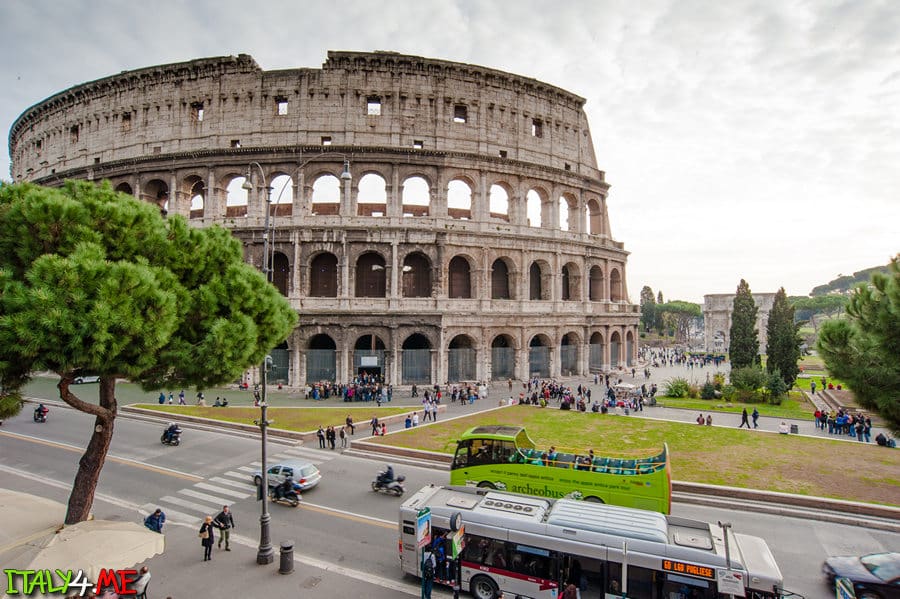
The Colosseum is one of the largest and most impressive structures of the ancient world still standing today. It is, without a doubt, the most popular landmark in Rome. We highly recommend visiting it with a professional guide during the SECRETS OF THE GLADIATORS tour.
Circus Maximus (Circo Massimo)
Circo Massimo (Latin: Circus Maximus) is the oldest chariot-racing stadium in Rome. It stretches across a vast valley between two Roman hills: the Palatine (Palatium) and the Aventine (Aventinus). In the 6th century BCE, what were once farmland fields became an arena for chariot races. Later, the stadium became a venue for equestrian competitions held during the Roman Games (Ludi Romani).
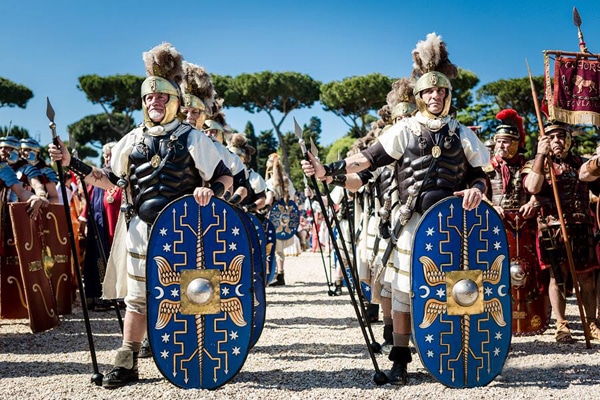
The Circus Maximus was favored by emperors and wealthy Romans, as it regularly hosted spectacular shows and lavish festivities. Legend has it that the beautiful Sabine women were abducted by Roman men directly from the stands of Circo Massimo. Other sources link the racetrack to the myth of Hercules, who reportedly lost his cattle there. Today, Circus Maximus is the site of Rome’s Birthday celebration, held annually on April 21.
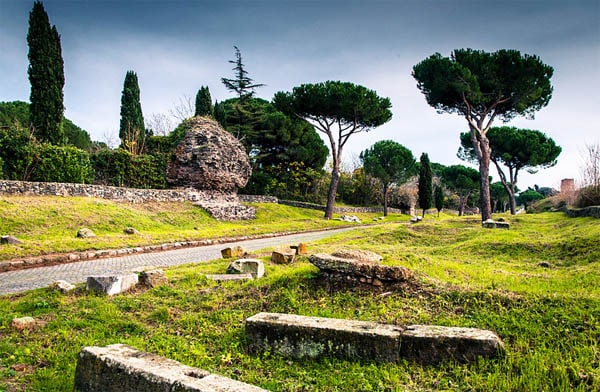
Appian Way
The Appian Way is one of the marvels of the Roman Empire. This 335-mile (540 km) route stretched from the very heart of Rome to the port town of Brindisi on the Mediterranean Sea. Its basalt paving stones, used since the 4th century BCE by imperial troops, trade caravans, and everyday travelers, have become a monument of history. Picturesque ruins of tombs, columbaria, castles, citadels, and underground catacombs give this ancient road an unforgettable atmosphere.
Capitoline Hill
One of the legendary hills on which the city of Rome was founded. You can visit the Capitoline Hill completely free of charge. However, admission to the museums requires a ticket.
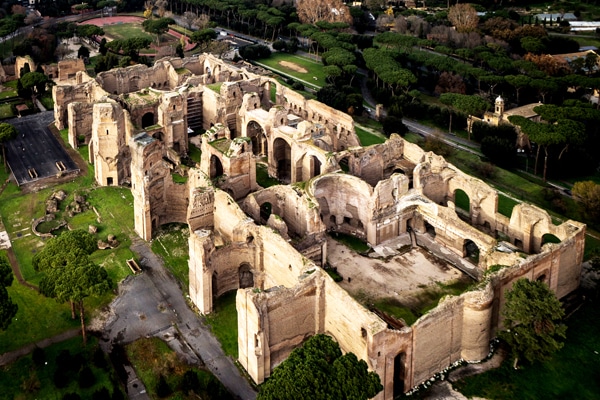
Baths of Caracalla
The Baths of Caracalla were built in the 3rd century CE and became one of the wonders of Ancient Rome. Towering structures rose in the city center to protect the grand bathing complex. Thousands of Romans visited the baths daily to cleanse their bodies and cultivate important social connections. Today, the Baths of Caracalla have become a scenic historical and archaeological landmark, and each summer they host the season of the Rome Opera.
Villa Borghese
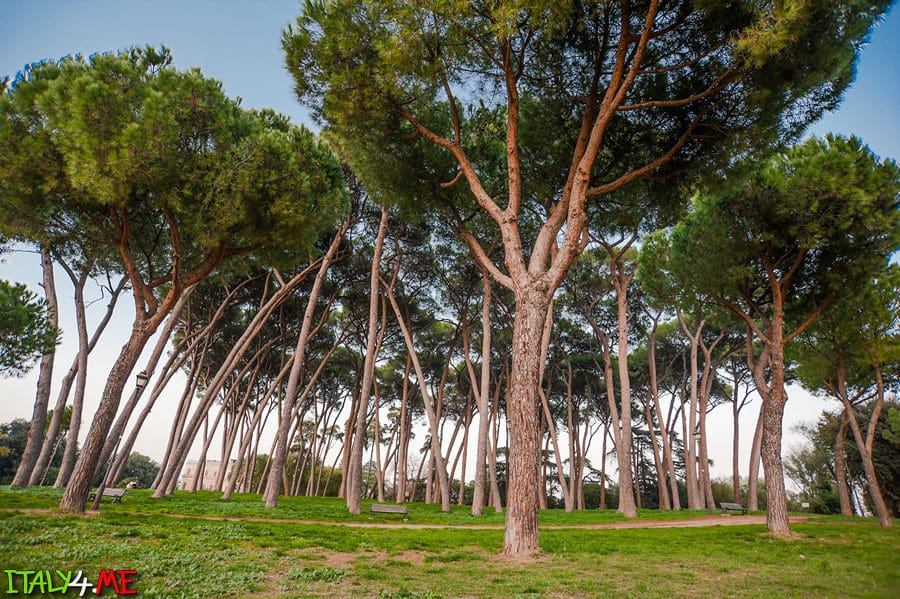
Villa Borghese is a stunningly beautiful public park located not far from the center of Rome.
The land where the park now lies originally belonged to the powerful Italian Borghese family. Within the grounds of Villa Borghese, you’ll find several renowned museums, including the Borghese Gallery. Tickets should be reserved at least a week in advance.
See also: step-by-step guide for booking tickets to the Borghese Gallery
Trevi Fountain
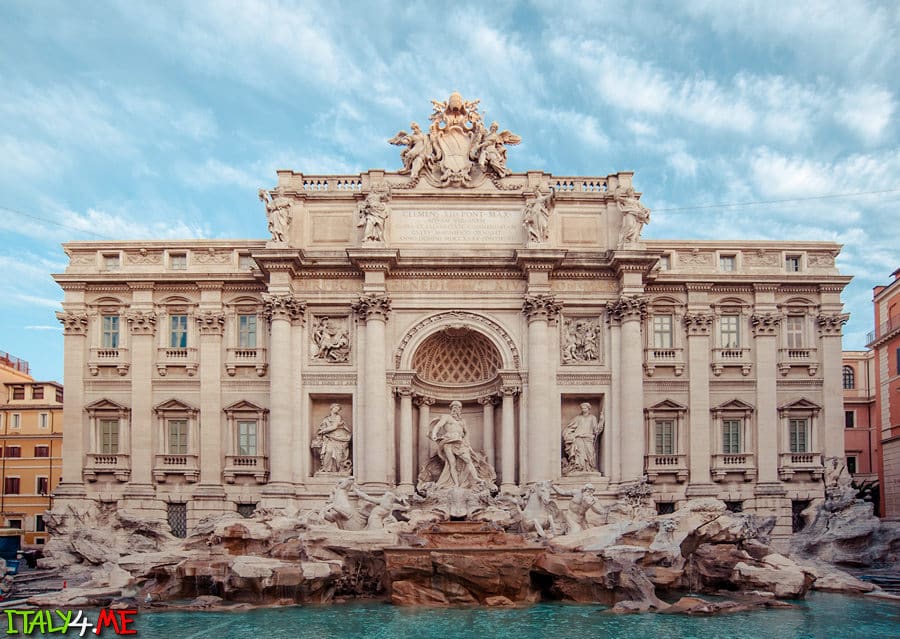
The Trevi Fountain is a Roman masterpiece known worldwide for its theatrical flair. The small square that houses the fountain resembles an amphitheater, always filled with spectators. The Trevi Fountain itself resembles a stage with Neptune, god of the sea, at the center.
According to Roman tradition, tourists toss coins into the fountain to ensure a return to this beautiful city.
Another beloved tradition invites visitors to drink from the “Lovers’ Spouts” located on the right side of the Trevi Fountain.
Pantheon
This ancient Roman temple is a highly significant historical landmark. It is the largest domed structure from antiquity still preserved today. One of the first people buried in the Pantheon was the artist Raffaello Santi (Raphael).
Spanish Steps
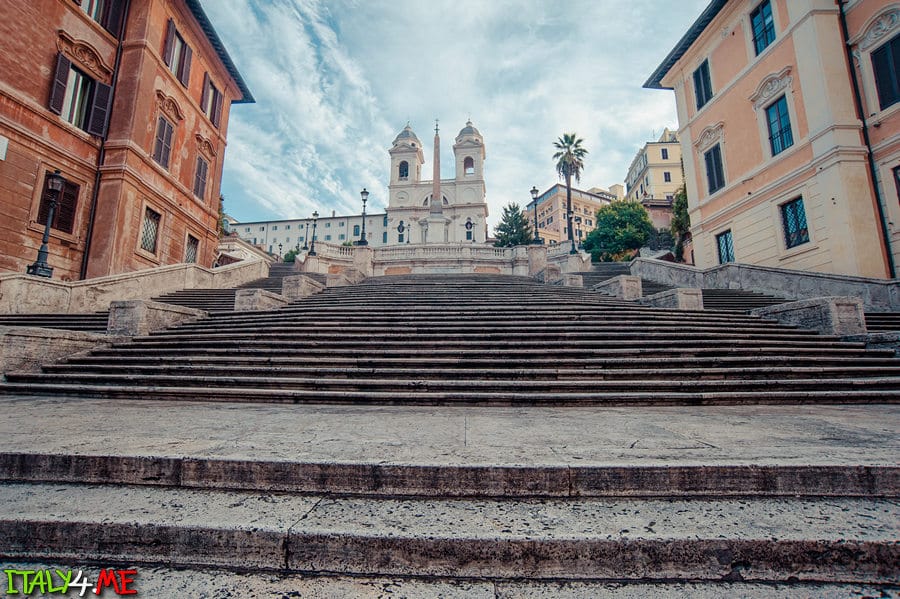
The most beautiful staircase in Europe, impressive even to the most seasoned travelers.
The steps begin at Piazza di Spagna and ascend toward the Pincian Hill. The width of the 138-step Spanish Steps varies along their length. The steps are a favorite meeting and strolling place for both locals and visitors in Rome.
Vatican
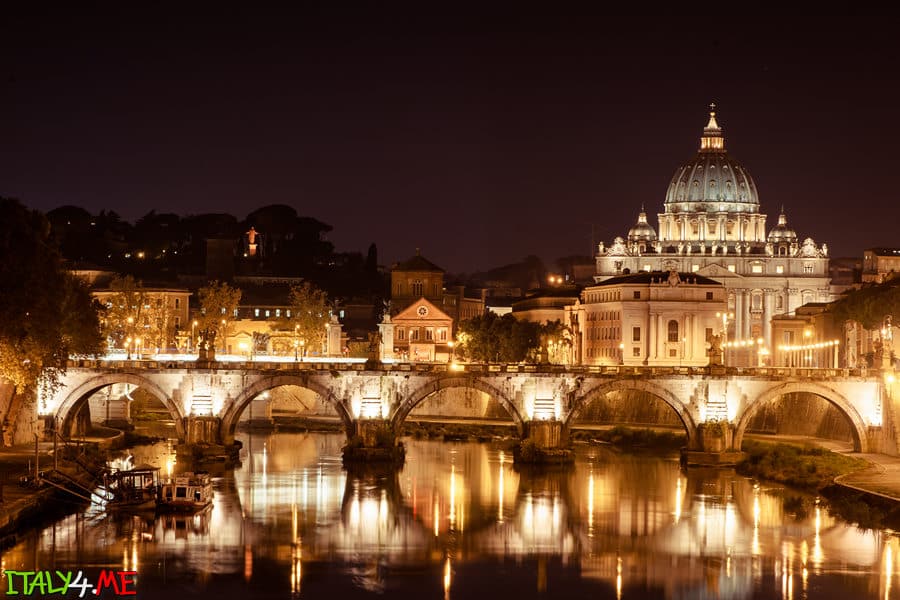
Vatican City is a city-state and the spiritual center of the Catholic world, located right in the heart of Rome. Many of Italy’s top attractions are found within this small territory.
Here you can climb to the observation deck of St. Peter’s Basilica and take in breathtaking views of Rome from above.
You can stroll through the Vatican Gardens, see the Pope in person, and even receive a blessing. But don’t forget that the city enforces a strict dress code—those who don’t comply may be denied entry.
St. Peter’s Basilica
Visit St. Peter’s Basilica without waiting in line and climb to the dome during a Vatican sunrise tour with Artur Yakutsevich.
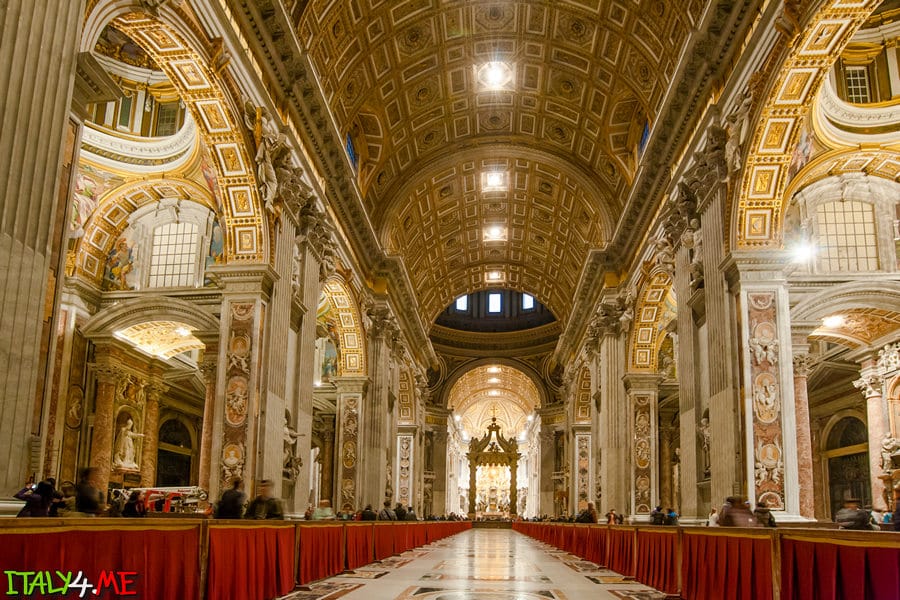
This is Rome’s most important attraction—one every visitor to the Eternal City should see. Located within the Vatican, the basilica’s stunning interior leaves a lasting impression with its grandeur and masterpieces created by the greatest artists.
Sistine Chapel

A masterpiece of art from the Italian Renaissance, located in Vatican City near St. Peter’s Basilica. The Sistine Chapel is best known for its breathtaking interior, decorated with magnificent frescoes by Italy’s greatest masters.
Piazza Navona
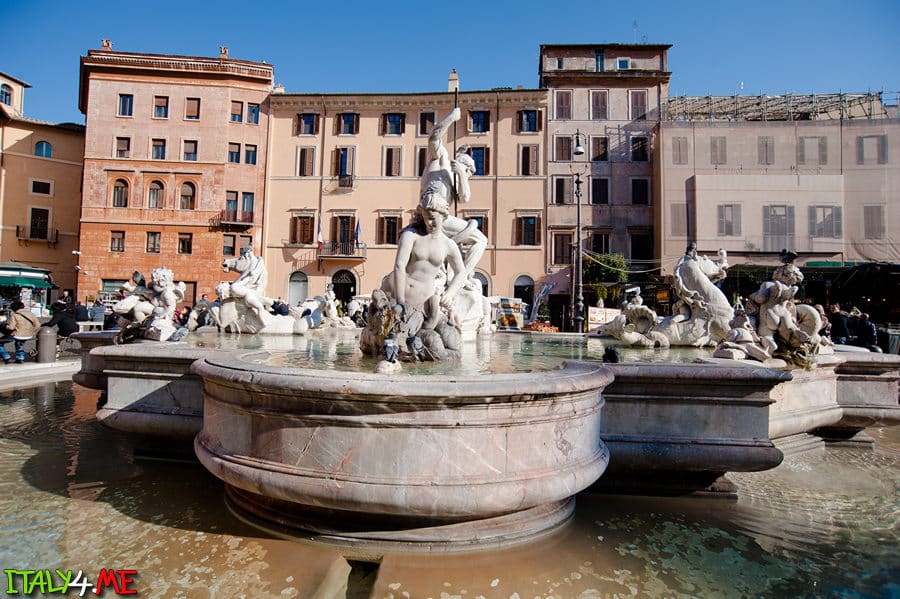
Piazza Navona is Rome’s first Renaissance-era square, resembling a grand oval hall adorned with fountains. The most famous is the Fountain of the Four Rivers, symbolizing the power and majesty of four great rivers from different continents. Piazza Navona is often the site of public festivities, carnivals, and markets.
Castel Sant’Angelo
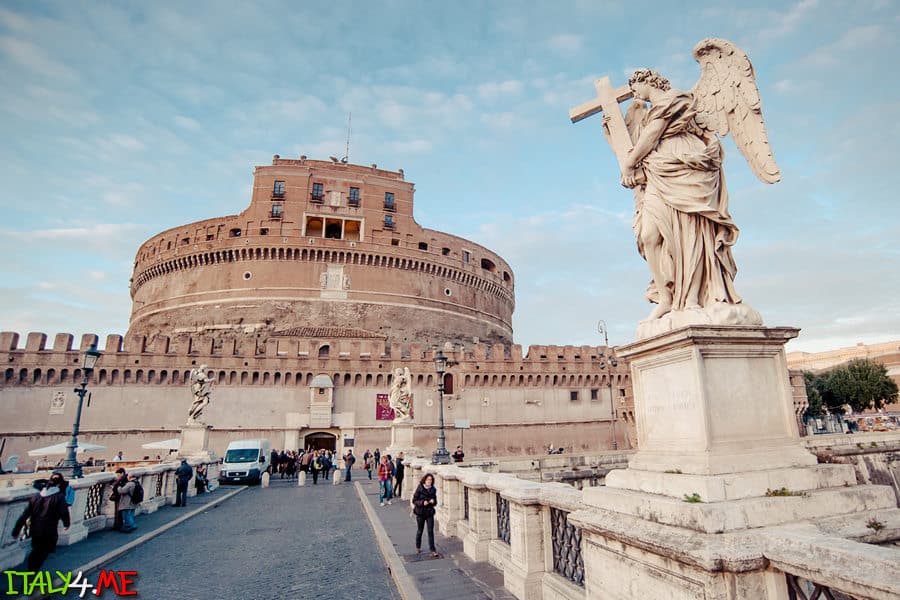
Castel Sant’Angelo is a prominent Roman architectural landmark. Originally built as a mausoleum, it was later transformed into a fortress, a papal residence, and even a prison. Today, Castel Sant’Angelo serves as a military museum. From its terrace, visitors enjoy stunning views over Rome and the Vatican.
Altar of the Fatherland at Piazza Venezia
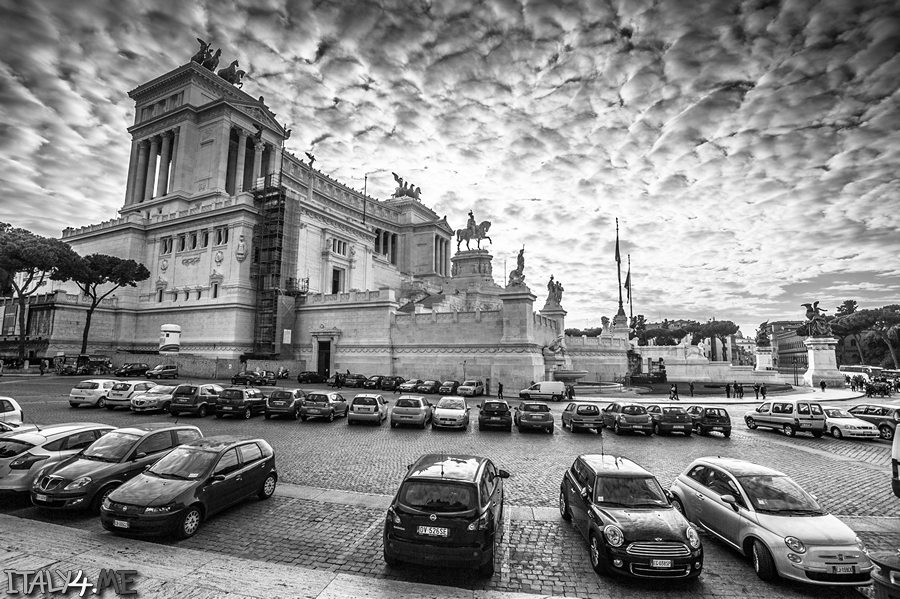
The Altar of the Fatherland is a historic monument that locals are famously not fond of. It dominates Piazza Venezia, occupying a large part of the square. Tourists, however, are drawn both to the monument itself and to the fountains on either side. The fountains of the Altar of the Fatherland symbolize the seas that wash the shores of independent Italy.
Trastevere District
Trastevere is a historic Roman neighborhood filled with narrow medieval streets and renowned for preserving deep-rooted Italian traditions. Here you’ll find authentic Italian trattorias. Trastevere never sleeps—even early on a Monday morning, you’re bound to find company.
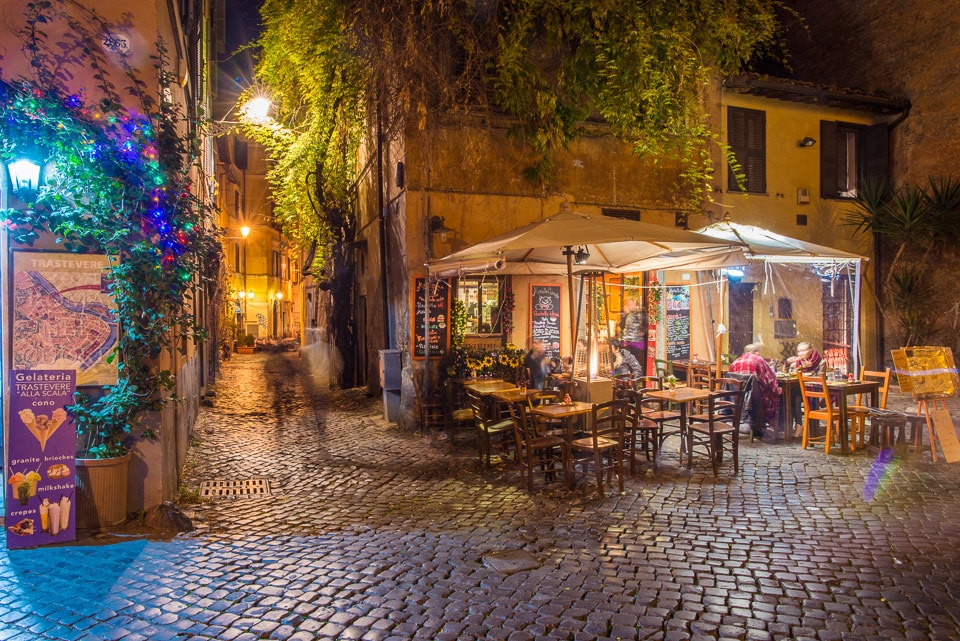
Immerse yourself in our favorite Roman neighborhood during an evening tour of its bars and restaurants.
Traveler’s Tip
When vacationing in Italy, your first destination should definitely be Rome. You’ll explore St. Peter’s Basilica, wander through the ruins of the Colosseum, feel a mystical awe at the Pantheon, and toss a coin into the Trevi Fountain.
Soak in the charm of Rome at night. Watch twilight fade into evening from a cozy Italian restaurant. As night falls, the city transforms. The streets and cafés grow livelier. Feel the unique magic of the night as you stroll along beautiful fountains or across one of the city’s many charming squares.