 Italy for me From Italy with love

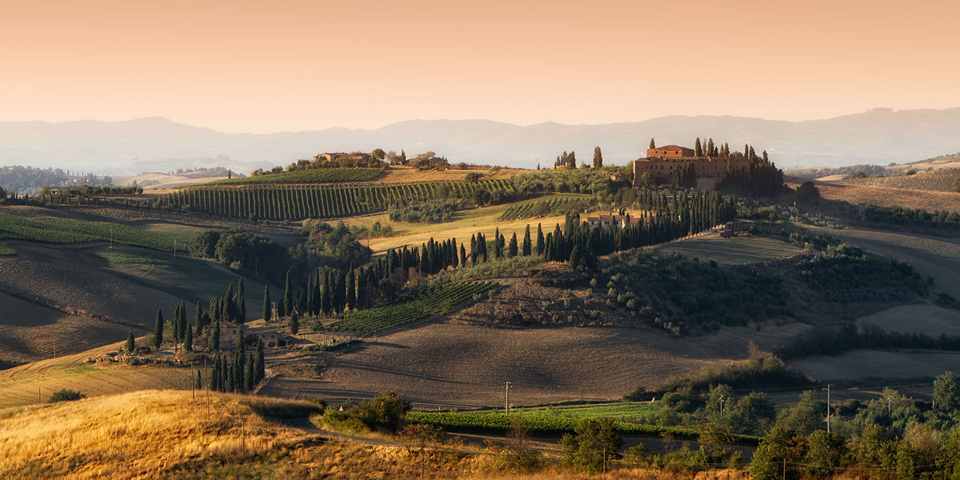
As of 2026, there are 55 UNESCO World Heritage Sites in Italy and 40 candidates for this prestigious list.
Under the table, you will find answers to the questions:
- What criteria should an object have?
What gives an object a hit in the list?
As well as a navigation menu by region and a brief description of each location.
List of UNESCO World Heritage Sites in Italy
| N | Название | Регион | Провинция | Время создания | Год | Критерии |
|---|---|---|---|---|---|---|
| 1 | Rock Drawings in Valcamonica | Lombardy | Брешиа | 6000 лет до до н. э. | 1979 | 3, 6 |
| 2 | The historic center of Rome and properties of the Vatican, including the Basilica of Saint Paul Outside the Walls | Lazio | Rome | 8th century BCE | 1980 | 1, 2, 3, 4, 6 |
| 3 | The Church of Santa Maria delle Grazie with Leonardo da Vinci’s fresco “The Last Supper” | Lombardy | Milan | 15th century | 1980 | 1, 2 |
| 4 | Historic center of Florence | Tuscany | Florence | 15th–16th century | 1982 | 1, 2, 3, 4, 6 |
| 5 | Venice and its Lagoon | Veneto | Venice | 5th century | 1987 | 1, 2, 3, 4, 5, 6 |
| 6 | Piazza dei Miracoli | Tuscany | Pisa | 11th–14th century | 1987 | 1, 2, 4, 6 |
| 7 | Historic center of San Gimignano |
Tuscany | Siena | — | 1990 | 1, 3, 4 |
| 8 | Rock dwellings near the city of Matera | Basilicata | Matera | — | 1993 | 3, 4, 5 |
| 9 | Vicenza and the Palladian Villas of the Veneto | Veneto | — | 1994 | 1, 2 | |
| 10 | Historic Center of Siena | Tuscany | Siena | 12th–15th century | 1995 | 1, 2, 4 |
| 11 | Historic Center of Naples | Campania | Naples | — | 1995 | 2, 4 |
| 12 | Crespi d’Adda Industrial Village | Lombardy | Bergamo | 19th – early 20th century | 1995 | 4, 5 |
| 13 | Renaissance City of Ferrara and the Po Delta | Emilia-Romagna | Ferrara | 15th–16th century | 1995 | 2, 3, 4, 5, 6 |
| 14 | Castel del Monte in Andria | Apulia | Barletta-Andria-Trani | 13th century | 1996 | 1, 2, 3 |
| 15 | “Trulli” – traditional houses in the town of Alberobello | Apulia | Bari | 16th century | 1996 | 3, 4, 5 |
| 16 | Early Christian Monuments of Ravenna | Emilia-Romagna | Ravenna | 5th–6th century | 1996 | 1, 2, 3, 4 |
| 17 | Historic Center of Pienza | Tuscany | Siena | 15th century | 1996 | 1, 2, 4 |
| 18 | Royal Palace of Caserta with the park, Vanvitelli’s aqueduct, and the San Leucio industrial complex | Campania | Caserta | 17th century | 1997 | 1, 2, 3, 4 |
| 19 | Residences of the Royal House of Savoy in Turin and surroundings | Piedmont | Turin | 16th century | 1997 | 1, 2, 4, 5 |
| 20 | Botanical Garden of Padua | Veneto | Padua | 1545 | 1997 | 2, 3 |
| 21 | Town of Porto Venere, cultural landscape of Cinque Terre, and the islands of Palmaria, Tino, and Tinetto | Liguria | — | 1997 | 2, 4, 5 | |
| 22 | Cathedral, Torre Civica, and Piazza Grande in Modena | Emilia-Romagna | Modena | 12th century | 1997 | 1, 2, 3, 4 |
| 23 | Archaeological Areas of Pompeii, Herculaneum, and Torre Annunziata | Campania | 1st century | 1997 | 3, 4, 5 | |
| 24 | Amalfi Coast | Campania | Salerno | 11th century | 1997 | 2, 4, 5 |
| 25 | Archaeological Area of Agrigento | Sicily | Agrigento | 6th century BCE | 1997 | 1, 2, 3, 4 |
| 26 | Prehistoric Nuraghe Towers of Su Nuraxi di Barumini | Sardinia | Medio Campidano | 2000 BCE | 1997 | 1, 3, 4 |
| 27 | Villa Romana del Casale | Sicily | Enna | 4th century | 1998 | i, ii, iii |
| 28 | Patriarchal Basilica and Archaeological Area of Aquileia | Friuli Venezia Giulia | Gorizia | 5th century | 1998 | iii, 4, 6 |
| 29 | Historic Center of Urbino | Marche | Pesaro e Urbino | 15th century | 1998 | ii, 4 |
| 30 | Cultural Landscape of Cilento, Vallo di Diano National Park, Archaeological Sites of Paestum and Elea, and the Certosa di Padula | Campania | — | 1998 | 3, 4 | |
| 31 | Villa Adriana in Tivoli | Lazio | Rome | 2nd century | 1999 | 1, 2, 3 |
| 32 | City of Verona | Veneto | Verona | 1st century BCE – 14th century CE | 2000 | 2, 4 |
| 33 | Basilica of Saint Francis and Other Franciscan Sites in Assisi | Umbria | Perugia | Middle Ages | 2000 | 1, 2, 3, 4, 6 |
| 34 | Aeolian Islands – Isole Eolie | Sicily | Messina | Pleistocene – Holocene | 2000 | 8 |
| 35 | Villa d’Este in Tivoli | Lazio | Rome | 16th century | 2001 | 1, 2, 3, 4, 6 |
| 36 | Late Baroque Towns of the Val di Noto | Sicily | Syracuse | 1693 | 2002 | i, ii, 4, 5 |
| 37 | Sacri Monti (Sacred Mountains) of Piedmont and Lombardy | Piedmont, Lombardy | 16th–17th century | 2003 | 2, 4 | |
| 38 | Cultural Landscape of the Val d’Orcia | Tuscany | Siena | 14th–15th century | 2004 | 4, 6 |
| 39 | Etruscan Necropolises of Cerveteri and Tarquinia | Lazio | Rome | 9th–1st century BCE | 2004 | 1, 3, 6 |
| 40 | Ancient Syracuse and the Rocky Necropolis of Pantalica | Sicily | Syracuse | 13th–7th century BCE | 2005 | 2, 3, 4, 6 |
| 41 | Le Strade Nuove and the system of the Palazzi dei Rolli in Genoa | Liguria | Genoa | Late 16th – early 17th century | 2006 | 2, 4 |
| 42 | Rhaetian Railway | Lombardy | Sondrio | 1904 | 2008 | 2, 4 |
| 43 | Mantua and Sabbioneta | Lombardy | Mantua | 11th – 16th century | 2008 | 2, 3 |
| 44 | The Dolomites | Veneto, Trentino-Alto Adige | — | 2009 | 7, 8 | |
| 45 | Monte San Giorgio | Lombardy | Varese | — | 2010 | 8 |
| 46 | The Longobards in Italy: Places of Power | Friuli Venezia Giulia, Lombardy, Umbria, Campania, Apulia | Udine, Brescia, Varese, Perugia, Benevento, Foggia | 6th–8th century | 2011 | 2, 3, 6 |
| 47 | Prehistoric Pile Dwellings around the Alps | Friuli Venezia Giulia, Lombardy, Piedmont, Trentino-Alto Adige | 5000 BCE | 2011 | 3, 4 | |
| 48 | Mount Etna | Sicily | Catania | — | 2013 | 8 |
| 49 | Medici Villas and Gardens in Tuscany | Tuscany | Florence | 15th century | 2013 | 2, 4, 6 |
| 50 | Vineyard Landscape of Piedmont: Langhe-Roero and Monferrato | Piedmont, Lombardy | — | 2014 | 3, 5 | |
| 51 | Arab-Norman Palermo and the Cathedral Churches of Cefalù and Monreale | Sicily | Palermo | 11th–13th centuries | 2015 | 2, 4 |
| 52 | Ancient and Primeval Beech Forests of the Carpathians and Other Regions of Europe | Abruzzo, Basilicata, Calabria, Apulia, Lazio, Emilia-Romagna | — | 2017 | 9 | |
| 53 | Venetian Works of Defence between the 16th and 17th Centuries | Lombardy, Veneto, Friuli Venezia Giulia | 16th–17th century | 2017 | 3, 4 | |
| 54 | Ivrea | Piedmont | Turin | 20th century | 2018 | — |
| 55 | Prosecco Hills of Conegliano and Valdobbiadene | Veneto | Treviso | — | 2019 | 5 |
Page Contents
What is UNESCO Heritage?
UNESCO is a specialized agency of the United Nations whose mission is to preserve natural or man-made sites of cultural, historical, or environmental significance.
The organization’s primary goal is to foster peace among nations through cooperation in these fields. Every year, UNESCO convenes a convention where individual sites may be granted “World Heritage” status. The country in which the site is located is then responsible for ensuring its preservation. In addition to the official list of heritage sites, UNESCO maintains a list of properties under serious threat, such as destruction or damage.
Criteria
Only one-of-a-kind sites are eligible for inclusion on the UNESCO World Heritage List. The goal is not only to protect these treasures from harmful impact but also to raise global awareness. To determine whether a natural or human-made site qualifies, UNESCO has established objective criteria.
Cultural Criteria
A site may be included under cultural criteria if it:
- Is a unique masterpiece that clearly reflects the creative genius of its author.
- Demonstrates the interchange of human values over a span of time or within a specific cultural area.
- Is an outstanding example of a cultural tradition or civilization—either still existing or long gone.
- Exhibits an exceptional construction technique or ancient technology that serves as a vivid illustration of a significant stage in human history.
- Is an outstanding example of a traditional human settlement or land use that reflects a harmonious interaction with the environment—especially one that has become vulnerable due to irreversible changes.
- Has a direct connection to historical events, living traditions, beliefs, ideas, or works of art and literature that give it global cultural significance.
Natural Criteria
A site may be included on the UNESCO list under natural criteria if it:
- Possesses exceptional aesthetic qualities, unmatched natural beauty, or represents a unique natural phenomenon.
- Clearly illustrates major stages in Earth’s history, such as representing geological processes or notable physical and geographical features.
- Represents significant ecological and biological evolutionary processes that are currently observable in ecosystems of flora and fauna.
- Provides a vital habitat for the conservation of biological diversity, including rare and endangered plant and animal species deemed unique and in need of protection.
What It Means to Be on the List
Sites included on the UNESCO World Heritage List and granted World Heritage status receive the following benefits:
- Rapid growth in recognition and popularity of the location;
- Added assurance of long-term protection and preservation;
- Priority access to financial support from major organizations, including the World Heritage Fund;
- Ongoing monitoring of the site’s condition, enabling swift responses in emergency situations.
All these measures are supported by the “World Heritage Preservation Partnership” program, which includes contributions from the World Bank, the French Development Agency, the European Union, and others.
Abruzzo
Ancient Beech Forests
The Ancient and Primeval Beech Forests of the Carpathians and Other Regions of Europe (Foreste primordiali dei faggi dei Carpazi e di altre regioni d’Europa) is a natural World Heritage site spanning twelve countries. In Italy, these forests can be found in the regions of Abruzzo, Basilicata, Calabria, Apulia, Lazio, and Emilia-Romagna. This area serves as an ideal setting for studying ecological systems and observing the growth patterns of beech trees. The primeval Carpathian forests provide a vivid example of ecosystem regeneration and development that began during the Ice Age and continues to this day.
Apulia
Castel del Monte in Andria
Castel del Monte in Andria (Castel del Monte) is located in southern Italy, near the province of Bari. This historic structure dates back to the time of Frederick II of Hohenstaufen and is considered one of the most iconic medieval castles. Built between 1240 and 1250, the identity of the architect remains unknown, though some believe Emperor Frederick himself played a role in its construction.
Trulli
The “Trulli” are traditional limestone houses found in the town of Alberobello (Trulli di Alberobello), near the charming city of Bari in southern Italy. These dwellings are famous for their distinctive dome-shaped roofs, often compared to fairy-tale homes of gnomes. Legend has it that in the 16th century, Duke Andrea Matteo III, known for his extreme frugality, resettled peasants in this area. To avoid paying settlement taxes, he ordered homes to be built using limestone without mortar. When Neapolitan tax officials arrived in Alberobello, they found nothing but large piles of white stone—and thus, the duke evaded the tax.
Basilicata
Rock Dwellings of Matera
The rock dwellings of Matera (Sassi di Matera) are among the oldest continuously inhabited settlements in the world, where people still live in homes carved into the mountainside. Human habitation in this area dates back to the Paleolithic era, and the city has never been abandoned since. Entire streets and neighborhoods of Matera are carved from limestone, making it a one-of-a-kind site where modern residents live in the very same dwellings as their distant ancestors.
Veneto
Venice and Its Lagoon
Venice and its lagoon (Venezia e la sua laguna) is one of the most enchanting cities in the world—a dream destination for romantics. The city was founded in the 6th century by the Veneti tribes seeking refuge from barbarian invasions. It was from these settlers that the city received the name now known worldwide. By the beginning of the 11th century, Venice had grown into a powerful and influential state.
Vicenza and the Palladian Villas of the Veneto
Vicenza and the Palladian Villas of the Veneto (Città di Vicenza e le Ville palladiane del Veneto) is one of the most beautiful areas in the region, home to the renowned Italian architect Andrea Palladio. His villas were included in the UNESCO list for their groundbreaking design, which later became a model for modern European architecture. Even today, these structures impress with their elegance and near-perfect architectural harmony.
Botanical Garden in Padua
The Botanical Garden in Padua (Orto Botanico di Padova) is the oldest continuously operating botanical garden in the world. It was established in 1545 to grow medicinal herbs for the medical faculty of the University of Padua. Located near Padua’s main square, admission is €4 for adults and €1 for children.
Verona
Verona (Città di Verona) lies in northeastern Italy along the Adige River. The city is world-famous as the setting of Shakespeare’s tragic love story “Romeo and Juliet.” First mentioned in the 1st century BCE, Verona gained prominence during the Roman Empire.
Ivrea
Ivrea (Ivrea, città industriale del XX secolo) is an Italian commune located in the Piedmont region. The area was once covered by a large lake, which later fragmented into several smaller ones, such as Lake Sirio and Lake San Michele. In the 20th century, Ivrea became notable as the headquarters of Olivetti, a leading manufacturer of typewriters.
Prosecco Hills in Conegliano and Valdobbiadene
The Prosecco Hills in Conegliano and Valdobbiadene (Colline del Prosecco di Conegliano e Valdobbiadene) form a celebrated wine-producing region in the province of Treviso. Now the tenth Italian site on the UNESCO list, these hills spent a decade as candidates before finally earning World Heritage status. With their steep, rugged slopes, cultivation is labor-intensive, and the hard work of local farmers is widely recognized as heroic.
Trentino-Alto Adige
The Dolomites
The Dolomites (Dolomiti) are a mountain range in northeastern Italy, part of the Southern Limestone Alps. Stretching for 150 km (93 miles), the range is renowned for its dramatic peaks and striking beauty. Its highest point is Mount Marmolada (Marmolada), which rises to 3,342 meters (10,965 feet).
Campania
Historic Center of Naples
The Historic Center of Naples (Centro storico di Napoli) is the largest in Europe, with origins dating back to the 8th century BCE. This area features an extraordinary blend of historical eras and architectural styles. Few original structures have survived, most of which are located in the northwestern part of the city and along Via Mezzocannone.
Royal Palace of Caserta with the Park, Vanvitelli Aqueduct, and San Leucio Complex
The Royal Palace of Caserta with the park, Vanvitelli Aqueduct, and the San Leucio Complex (Palazzo Reale di Caserta con il Parco, Acquedotto di Vanvitelli e complesso di San Leucio) form an immense palace complex that stands in bold contrast to the surrounding natural and man-made landscape. It was designed by the master architect Luigi Vanvitelli in the 18th century to serve as a secure royal residence, protecting the main palace in Naples from seaborne attacks.
Archaeological Areas of Pompeii, Herculaneum, and Torre Annunziata
The archaeological areas of Pompeii, Herculaneum, and Torre Annunziata (Aree archeologiche di Pompei, Ercolano e Torre Annunziata) are world-famous due to the catastrophic eruption of Mount Vesuvius more than 2,000 years ago, which buried these once-thriving Roman cities. Pompeii today is an open-air museum. Herculaneum preserves remarkable houses like the House of Aristides and the House of Argus, while Torre Annunziata, situated at the volcano’s base, also features opulent Roman villas.
Amalfi Coast
The Amalfi Coast (Costiera amalfitana) is located along the southern part of the Sorrentine Peninsula. This stretch of coastline is home to picturesque towns like Amalfi, where an ancient cathedral clings to the cliffside. Local rooftops are covered in lush greenery, and narrow stairways connect the cascading homes across the hills.
Cultural Landscape of Cilento, Vallo di Diano National Park, Archaeological Sites of Paestum and Elea, and the Certosa di Padula
The Cultural Landscape of Cilento, Vallo di Diano National Park, Archaeological Sites of Paestum and Elea, and the Certosa di Padula (Parco nazionale del Cilento, Vallo di Diano con i siti archeologici di Paestum Velia, e la Certosa di Padula) encompass a mountainous region that reflects the area’s evolutionary and cultural development. In the Middle Ages, this zone served as a vital trade corridor. Today, it preserves ancient dwellings and classical architectural monuments.
Lazio
Villa Adriana in Tivoli
Villa Adriana in Tivoli (Villa Adriana) was the residence of Emperor Hadrian, from where he ruled the empire in the later years of his life. The imperial family used it as a summer retreat. Located just outside Rome, the villa was abandoned after Hadrian’s death. According to historians, the estate consisted of around thirty buildings.
Villa d’Este in Tivoli
Villa d’Este in Tivoli (Villa d’Este) is one of the most renowned architectural masterpieces of the 16th century in Italy. The complex includes a palace and a nearby garden, famous for its spectacular fountains. These fountains later served as inspiration for Peter the Great in creating the fountains at Peterhof.
Etruscan Necropolises of Cerveteri and Tarquinia
The Etruscan necropolises of Cerveteri and Tarquinia (Necropoli etrusche di Cerveteri e Tarquinia) offer travelers a remarkable “city of the dead.” The Etruscans were a powerful civilization, though their culture and daily life remain only partially understood. Very few Etruscan structures have survived, but the most important artifacts are concentrated in Cerveteri and Tarquinia. Their language remains undeciphered to this day.
Historic Center of Rome and the Properties of the Holy See, Including the Basilica of Saint Paul Outside the Walls
The Historic Center of Rome and the properties of the Vatican, including the Basilica of San Paolo fuori le Mura (Centro storico di Roma, le proprietà extraterritoriali della Santa Sede nella città e la Basilica di San Paolo fuori le mura), preserve ancient monuments that have survived to the present day. According to legend, Rome was founded by the brothers Romulus and Remus in the 1st century CE. Today, Rome is known as the “Eternal City” and houses Vatican City—the smallest independent state in the world.
Liguria
Town of Porto Venere, Cinque Terre Cultural Landscape, and the Islands of Palmaria, Tino, and Tinetto
The town of Porto Venere, the cultural landscape of Cinque Terre, and the islands of Palmaria, Tino, and Tinetto (Porto Venere, le Cinque Terre e le isole di Palmaria, Tino e Tinetto) reflect thousands of years of development and transformation of local settlements. This magnificent landscape showcases the harmonious coexistence of human construction and nature, with buildings seamlessly blending into the surroundings. The 15-km-long area is a cultural monument, still home to vineyards and olive groves.
Le Strade Nuove and the Palazzi dei Rolli in Genoa
Le Strade Nuove and the Palazzi dei Rolli in Genoa (Genova: Le Strade Nuove ed il complesso dei Palazzi dei Rolli) were developed in the 16th–17th centuries. This was the first urban planning project in Europe to follow a unified design. The palaces were grand residences of wealthy aristocratic families and collectively formed a prestigious network of hospitality for visiting dignitaries.
Lombardy
Val Camonica Rock Carvings
The Val Camonica rock carvings (Incisioni rupestri della Valcamonica) are prehistoric stone engravings found in the Camonica Valley. With around 300,000 preserved petroglyphs, this collection is considered the largest in Europe. Historians date these carvings to the Upper Paleolithic and Late Chalcolithic periods.
Church of Santa Maria delle Grazie with Leonardo da Vinci’s “The Last Supper”
The Church of Santa Maria delle Grazie with Leonardo da Vinci’s “The Last Supper” (Chiesa e Convento Domenicano di Santa Maria delle Grazie con «L’Ultima Cena» di Leonardo da Vinci – Milano) is a landmark on the western side of Milan. The church’s refectory houses the world-famous fresco “The Last Supper,” painted by Leonardo da Vinci—a masterpiece recognized as one of the most iconic artworks in the world.
Crespi d’Adda Workers’ Village
Crespi d’Adda (Crespi d’Adda) is a historical workers’ village in northern Italy. Built in the 19th and early 20th centuries by industrialists for their employees, it features well-preserved examples of industrial-era architecture. Due to economic changes, the village is now under threat, and UNESCO has increased efforts to monitor its preservation.
Mantua and Sabbioneta
Mantua and Sabbioneta (Mantova e Sabbioneta) are home to a wealth of Renaissance-era monuments from the rule of the Gonzaga family. These cities were grand centers of both Italian and European Renaissance culture. Mantua continually evolved thanks to hydraulic innovations, while Sabbioneta was designed as a model of the “ideal city.”
Rhaetian Railway
The Rhaetian Railway (Ferrovia retica nel paesaggio dell’Albula e del Bernina) is a mountain railway traversing the Alps, linking Italy with Switzerland. Built in the 20th century, it opened previously isolated regions and offers breathtaking alpine views along the Albula and Bernina lines.
Monte San Giorgio
Monte San Giorgio (Monte San Giorgio) is a mountain ridge straddling Lombardy and Switzerland, renowned for its paleontological significance. It is a key site for fossil discoveries, including well-preserved remains of dinosaurs and prehistoric fish—many of which have been found in remarkable condition.
Venetian Defense Works of the 16th–17th Centuries
The Venetian defense works of the 16th–17th centuries (Opere di difesa veneziane tra XVI e XVII secolo: Stato da Terra – Stato da Mar occidentale) are advanced fortification systems found in Lombardy, Veneto, and Friuli Venezia Giulia. Built to defend the Republic of Venice’s northwestern borders, they also played a key role in securing important trade routes.
The Longobards in Italy
The Longobards in Italy (Longobardi in Italia: i luoghi del potere (568–774)) refers to a collection of sites that preserve the legacy of the Lombard kingdom. Recognized by UNESCO for their historical significance, these sites—found in Lombardy, Friuli Venezia Giulia, Umbria, Campania, and Apulia—include palaces and churches that showcase the influence of this Germanic people during the early medieval period.
Marche
Historic Center of Urbino
The Historic Center of Urbino (Centro storico di Urbino) is rich in historical landmarks and is considered one of the most important cultural treasures of the Marche region. The city’s standout attraction is the Ducal Palace of Urbino, which in the 15th century replaced a medieval fortress and was significantly expanded with numerous additions. Today, the palace houses the National Gallery of the Marche.
Piedmont
Residences of the Royal House of Savoy in Turin and Surroundings
The Residences of the Royal House of Savoy in Turin and its surroundings (Residenze sabaude di Torino e dintorni) comprise a group of palaces in northern Italy once owned by the House of Savoy. This dynasty was established in the early 11th century and reached its peak influence in 1720. The Savoys were known not only for their urban palaces but also for their grand countryside estates.
Sacri Monti (Sacred Mountains) of Piedmont and Lombardy
The Sacri Monti (Sacred Mountains) of Piedmont and Lombardy (Sacri Monti del Piemonte e della Lombardia) are located in the Alpine valleys and attract many pilgrims. These complexes include churches, chapels, crypts, and monuments. The pilgrimage routes were intentionally designed to provide safe and contemplative paths for travelers on their spiritual journey.
Vineyard Landscape of Piedmont: Langhe-Roero and Monferrato
The Vineyard Landscape of Piedmont: Langhe-Roero and Monferrato (Paesaggio vitivinicolo del Piemonte: Langhe, Roero e Monferrato) is made up of rolling hills stretching to the horizon. Found in both Piedmont and Lombardy, this area is dotted with ancient villages and castles built along gentle slopes. The region is renowned for producing high-quality wines, recognized internationally for their excellence.
Sardinia
Su Nuraxi di Barumini
The prehistoric towers of Su Nuraxi di Barumini (Su Nuraxi) are Bronze Age structures unique to Sardinia. These cone-shaped towers, resembling beehives, are found nowhere else in the world. Their exact purpose remains a topic of debate among scholars, making them one of the island’s most intriguing archaeological mysteries.
Sicily
Arab-Norman Palermo and the Cathedrals of Cefalù and Monreale
The Arab-Norman heritage of Palermo and the cathedrals of Cefalù and Monreale (Palermo arabo-normanna e le cattedrali di Cefalù e Monreale) includes three churches, three cathedrals, two palaces, and one bridge. Built between 1130 and 1194, these structures blend Byzantine, Islamic, and Western architectural traditions, showcasing a remarkable example of peaceful cultural coexistence.
Archaeological Area of Agrigento
The Archaeological Park and Landscape of the Valley of the Temples in Agrigento (Parco Archeologico e Paesaggistico della Valle dei Templi di Agrigento) features the ruins of Doric temples and remains from Roman and early Christian eras. Founded in 581 BCE, Agrigento was considered one of the most beautiful cities of the ancient world and faced multiple invasions from Carthaginian and Roman forces.
Villa Romana del Casale
Villa Romana del Casale (Villa Romana del Casale) is a 4th-century historical site and a symbol of Sicily. Once owned by a powerful Roman family, it is located in the province of Enna in central Sicily. The villa’s interior mosaics are regarded as some of the most exquisite in the world.
Aeolian Islands — Isole Eolie
The Aeolian Islands — Isole Eolie (Isole Eolie) serve as a natural classroom for understanding volcanic activity and mountain formation. The archipelago includes seven main islands and several smaller islets. Known for their thermal springs and rich cultural traditions, the islands attract thousands of visitors each year.
Late Baroque Towns of the Val di Noto
The Late Baroque Towns of the Val di Noto (Città tardo barocche del Val di Noto (Sicilia sud orientale)) were built in a distinctive architectural style known as Sicilian Baroque. Nestled in the Hyblaean Mountains, these towns were reconstructed after a devastating earthquake in 1693, giving rise to a uniquely ornate and harmonious urban landscape.
Ancient Syracuse and the Rock Necropolis of Pantalica
Ancient Syracuse and the Rock Necropolis of Pantalica (Siracusa e la Necropoli Rupestre di Pantalica) preserve ruins that reflect the essence of classical antiquity. The necropolis offers insights into the advanced civilizations that once thrived in the area. Syracuse was a major trading hub, blending diverse cultural traditions.
Mount Etna
Mount Etna (Etna) is the highest active volcano in Europe, covering an area of 1,400 km² (540 sq mi)—more than twice the size of Mount Vesuvius. Revered by the Sicilians despite its frequent eruptions, Etna remains a powerful symbol of nature’s grandeur and volatility.
Tuscany
Historic Center of Florence
The Historic Center of Florence (Centro storico di Firenze) is the cradle of the Renaissance, home to some of the most iconic monuments of the era. The city is a symbol of cultural rebirth, where artistic legends like Michelangelo, Sandro Botticelli, and Filippo Brunelleschi once worked. Highlights in the heart of the Tuscan capital include the Cathedral of Santa Maria del Fiore, the Uffizi Gallery, and the Dante Alighieri House Museum.
Piazza dei Miracoli
Piazza dei Miracoli (Piazza del Duomo, Pisa), also known as the Cathedral Square, is located in the old part of Pisa and enclosed by ancient walls. This UNESCO-listed complex includes the Leaning Tower of Pisa, the Baptistery of San Giovanni, the Campo Santo cemetery, and the Pisa Cathedral (Duomo di Santa Maria Assunta)—each an exemplary work of medieval architecture.
Historic Center of San Gimignano
The Historic Center of San Gimignano (Centro storico di San Gimignano) preserves its remarkable medieval skyline, located just 25 miles (40 km) from Florence. Between the 11th and 13th centuries, wealthy families erected tall towers to display their power—once numbering around 70, some reaching 165 feet (50 meters) in height.
Historic Center of Siena
The Historic Center of Siena (Centro storico di Siena), nestled in the Tuscan hills, retains its ancient charm. Renowned for its contributions to Gothic art and architecture, Siena earned its place on the UNESCO list for its beautifully integrated urban landscape—a true “masterpiece of dedication and ingenuity.”
Historic Center of Pienza
The Historic Center of Pienza (Centro storico di Pienza) is famed for its Cathedral Square, surrounded by elegant Renaissance palaces. Pienza uniquely combines beauty with functionality, thanks to architect Bernardo Rossellino. It became a prototype for Renaissance urban design that would inspire cities across Italy.
Cultural Landscape of Val d’Orcia
The Cultural Landscape of Val d’Orcia (Val d’Orcia) offers scenery of exceptional beauty, found nowhere else. It illustrates the harmonious relationship between people and the land, with soft green hills, sparse farmhouses, and flowing wheat fields—an idealized vision of rural Tuscany.
Medici Villas and Gardens in Tuscany
The Medici Villas and Gardens in Tuscany (Ville e Giardini medicei in Toscana) are located near Florence and Lucca. These grand estates once belonged to the influential Medici family, often called the “godfathers” of the Renaissance. The UNESCO site includes 12 villas and two gardens, showcasing the dynasty’s cultural and political power through their patronage of the arts.
Umbria
Basilica of Saint Francis and Other Franciscan Sites in Assisi
The Basilica of Saint Francis and other Franciscan sites in Assisi (Assisi, Basilica di San Francesco e altri luoghi francescani) are named after Saint Francis, founder of the famed monastic order. The basilica was built in 1228, shortly after his death. Saint Francis preached a life of poverty as the true path to God, encouraging repentance through the renunciation of worldly possessions. Today, his image remains deeply revered—though controversially, it has also been misused symbolically by criminal groups such as the Italian mafia.
Friuli Venezia Giulia
Patriarchal Basilica and Archaeological Area of Aquileia
The Patriarchal Basilica and archaeological area of Aquileia (Zona archeologica e Basilica Patriarcale di Aquileia) were built in 1031 as part of efforts to restore the 4th-century religious complex. Only the meeting halls and the magnificent floor mosaics survive from the original structure. Today, it stands as a powerful symbol of Aquileia’s ancient Christian heritage.
Prehistoric Pile Dwellings Around the Alps
The Prehistoric Pile Dwellings Around the Alps (Antichi insediamenti sulle Alpi) are a transnational collection of archaeological sites discovered across several European countries. In Italy, they are found in Friuli Venezia Giulia, Lombardy, Piedmont, and Trentino-Alto Adige. These settlements vividly illustrate the everyday lives of ancient Alpine tribes. A total of 111 such sites have been identified and preserved.
Emilia-Romagna
Renaissance City of Ferrara and the Po Delta
The Renaissance city of Ferrara and the Po River Delta (Ferrara, città del Rinascimento e il suo Delta del Po) embody the ideal of the “perfect city.” Urban planning was carried out in the 15th–16th centuries under the direction of architect Biagio Rossetti. One unique feature of Ferrara is its layout—streets run parallel to the Po River, intersecting at right angles rather than radiating from a central point.
Early Christian Monuments of Ravenna
The Early Christian Monuments of Ravenna (Primi monumenti cristiani di Ravenna) are renowned for their stunning mosaics, dating back to the dawn of Christianity. Eight structures are included in the UNESCO listing, all considered masterpieces of Byzantine architecture. These mosaics later became iconic symbols of the Orthodox Christian tradition.
Cathedral, Torre Civica, and Piazza Grande in Modena
The Cathedral, Civic Tower, and Piazza Grande in Modena (Duomo, Torre Civica e Piazza Grande di Modena) were constructed in the 12th century by master builders Wiligelmo and Lanfranco. The cathedral is a prime example of Romanesque architecture in Europe. Many of its elements incorporate fragments from ancient Roman buildings, some over 2,000 years old.