 Italy for me From Italy with love

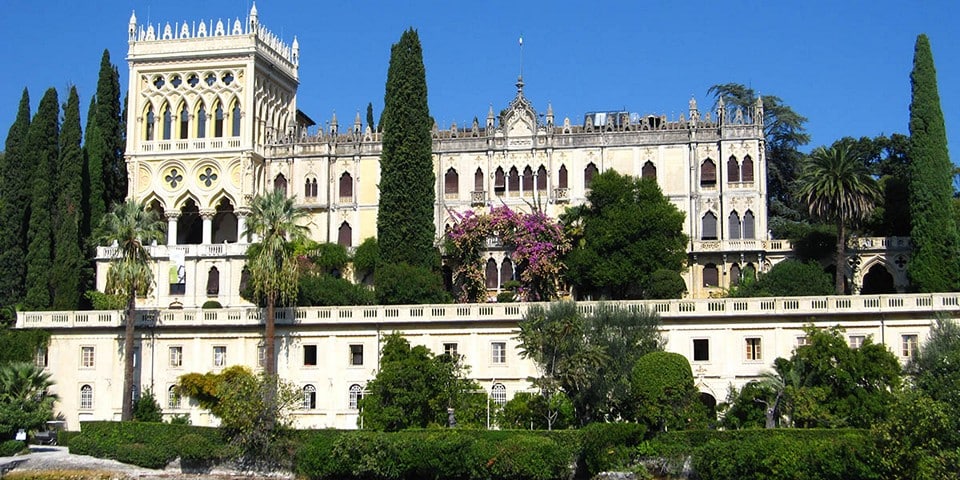
Dedicated to architecture enthusiasts and lovers of luxury, here’s our selection of the most beautiful Roman palaces and villas.
Page Contents
Villa Farnesina
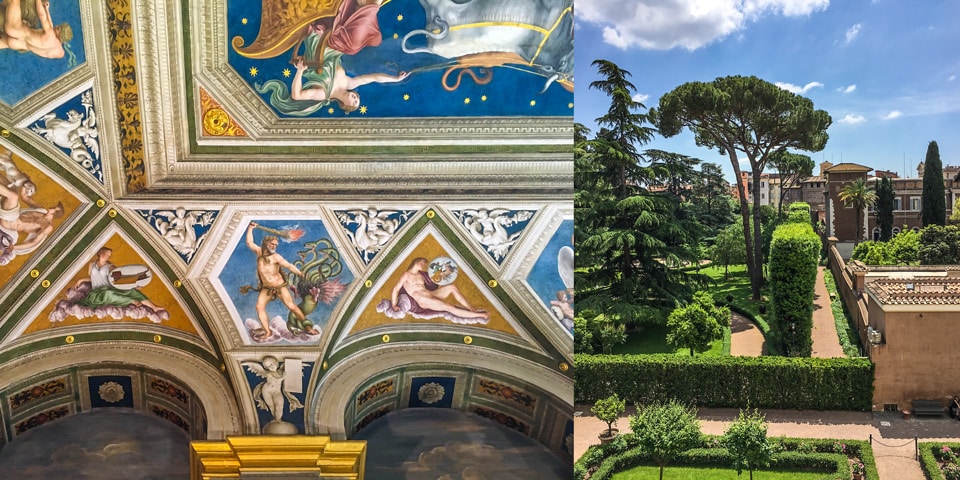
Villa Farnesina in Rome (1506–1510) is located in the Trastevere district and is a prime example of a refined urban residence of a wealthy Renaissance aristocrat. The façade and interior were crafted by the finest artists of the era, with frescoes by Raphael being especially magnificent. Surrounding the building is an orange grove, and visiting during orange blossom season is a truly unforgettable experience.
The Capitoline Palaces
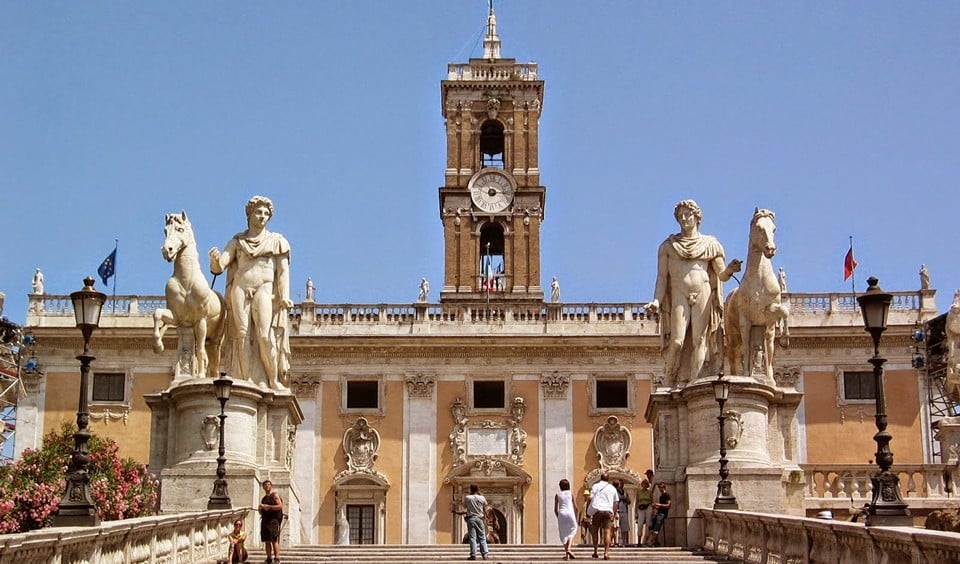
On the Capitoline Hill, you’ll find three grand palaces: the Palazzo Senatorio, Palazzo dei Conservatori, and Palazzo Nuovo (Campidoglio Palazzi). These medieval buildings were redesigned in the 16th century by Michelangelo. Today, they house the Capitoline Museums (Musei Capitolini). The Palazzo dei Conservatori holds the original statue of the Capitoline Wolf, while Palazzo Nuovo displays the “Discobolus” and a statue of Marcus Aurelius.
Palazzo Borghese
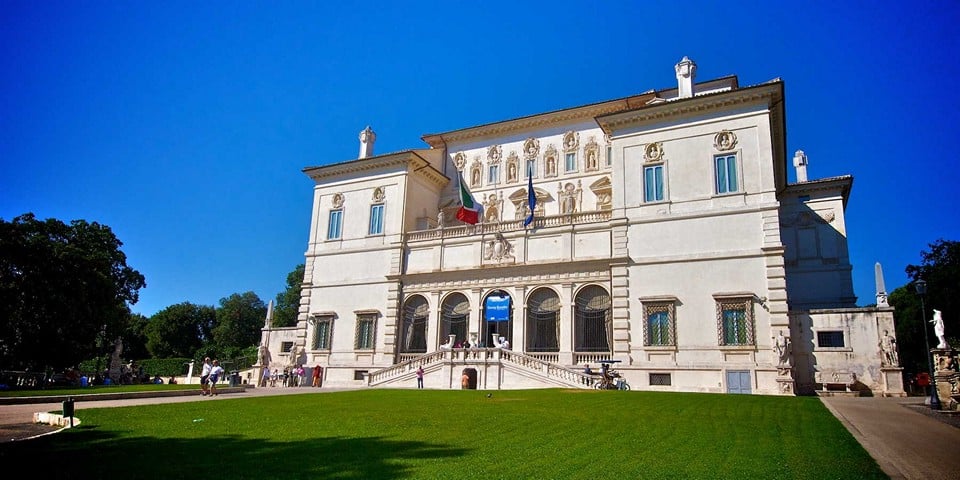
The Borghese Palace (Palazzo Borghese, mid-16th century) is located on the grounds of the Villa Borghese and was built in the shape of a trapezoid, earning it the nickname Il Cembalo (the Harpsichord). The palace’s narrow façade faces the Tiber River. Its pride is a charming inner courtyard encircled by 96 granite columns and adorned with statues and three 17th-century fountains. The palace balcony was used for a scene in Franco Zeffirelli’s 1968 film “Romeo and Juliet.”
Also read about the Borghese Gallery.
Palazzo Massimo alle Colonne
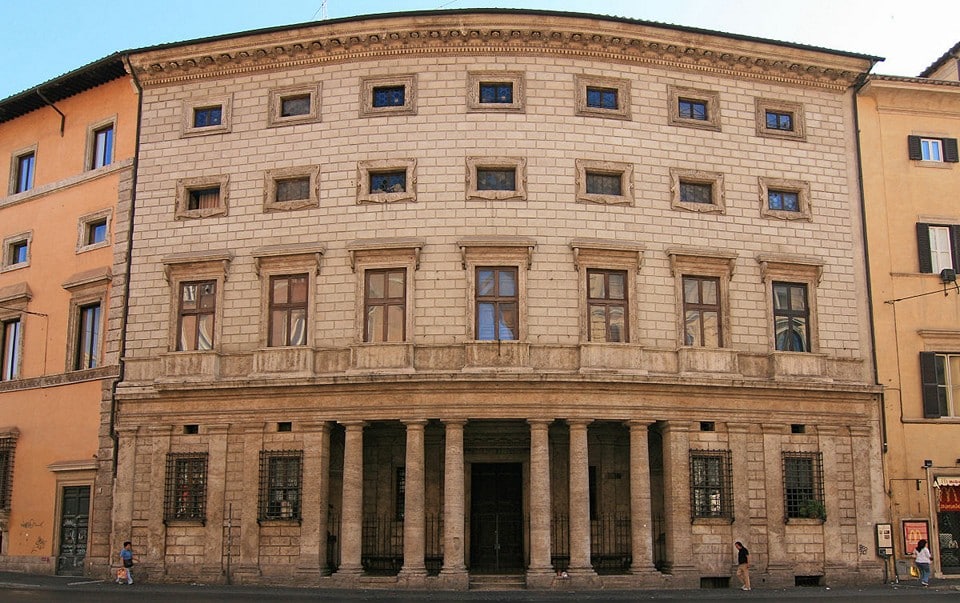
The elegant Palazzo Massimo alle Colonne (early 16th century), was designed by architect Baldassare Peruzzi for the noble Massimo family to replace their previous home lost to fire. It is located near Piazza Navona, on the site of the former Stadium of Domitian. A single column remains from the original structure, which gave the palace its name. Today, the palazzo is divided into private residences, one of which is home to Marquis Giuseppe Ricci and his wife Eleonora Massimo-Ricci.
Palazzo Farnese
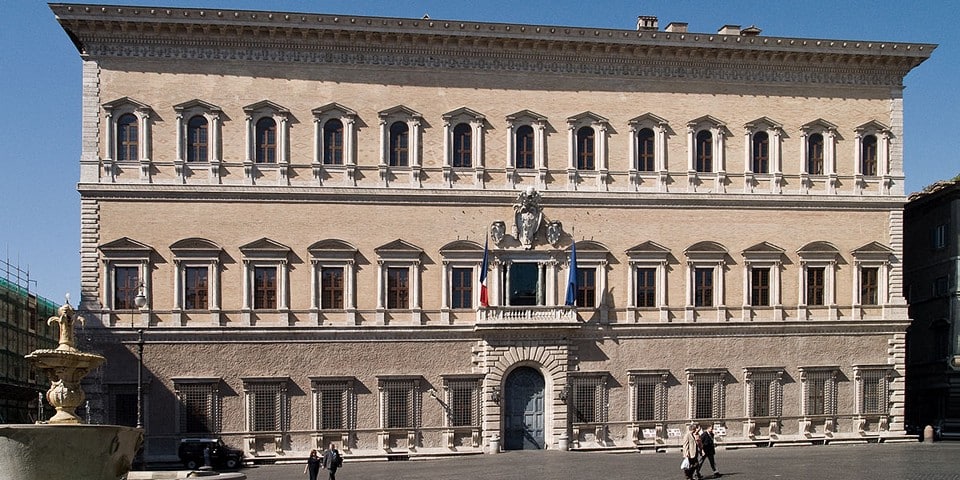
Palazzo Farnese (16th century) is a magnificent example of a Roman palace in the Renaissance style. For over a hundred years, it has served as the French Embassy. Once owned by the Farnese family, the palace was designed and decorated in part by Michelangelo. The papal coat of arms created by the master, placed above the central window of the façade, is the largest of its kind in Rome.
Villa Giulia
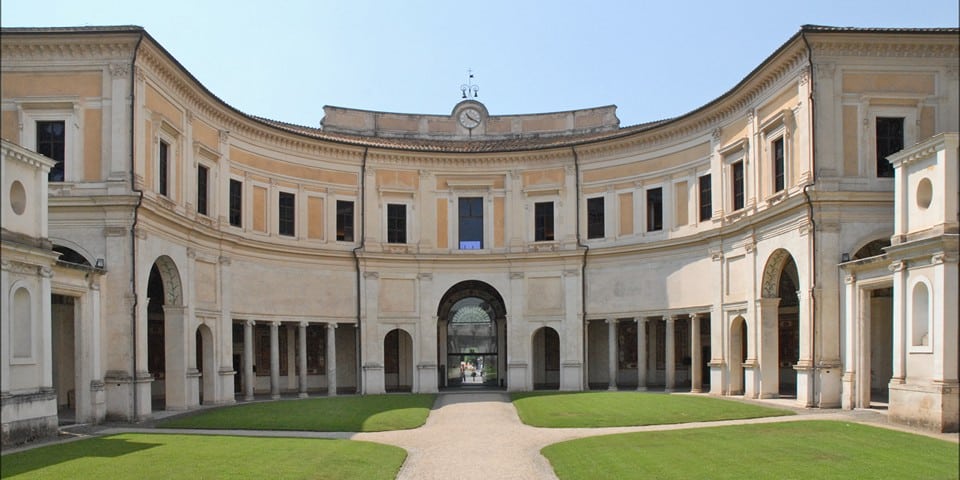
Once the summer residence of the popes, Villa Giulia (1551–1555) has been home to the National Etruscan Museum for over a century. It was named after its first owner, Pope Julius III. This refined Mannerist villa was designed by Giacomo da Vignola, while the three-level loggia surrounding the garden fountain and the fountain itself were created by Ammannati under the direction of Giorgio Vasari. The loggia, or nymphaeum, was adorned with figures of woodland deities and intended for outdoor dining.
Palazzo Barberini
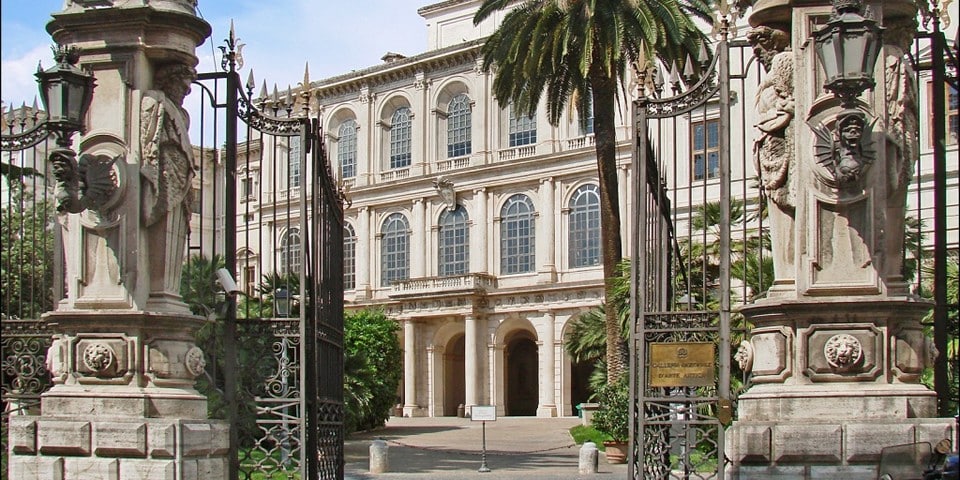
The construction of Palazzo Barberini (1627–1633) is closely associated with the most renowned figure of the Barberini family—Pope Urban VIII. The project was initiated by architect Carlo Maderno and continued by Francesco Borromini and Gian Lorenzo Bernini.
Since 1949, Palazzo Barberini has been entirely state-owned and now houses the National Gallery of Ancient Art.
Palazzo della Cancelleria
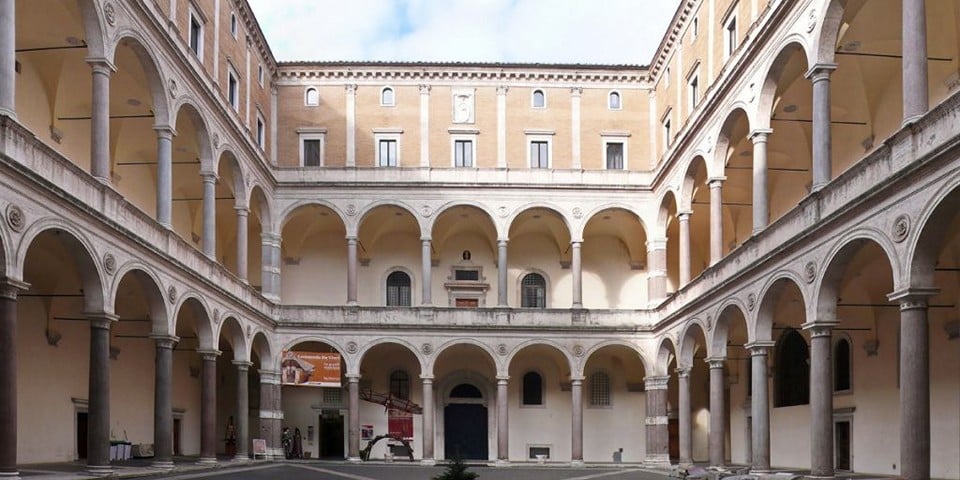
Palazzo della Cancelleria (1489–1513) is a monumental yet elegant masterpiece by the great architect Bramante. It was funded by Cardinal Raffaele Riario, the nephew of Pope Sixtus IV, with money he famously won in a card game. The winnings proved to be an incredible stroke of luck—architectural harmony in the building reached perfection. In 1517, Pope Leo X established his chancery there, which gave the palace its name.
Palazzo Spada
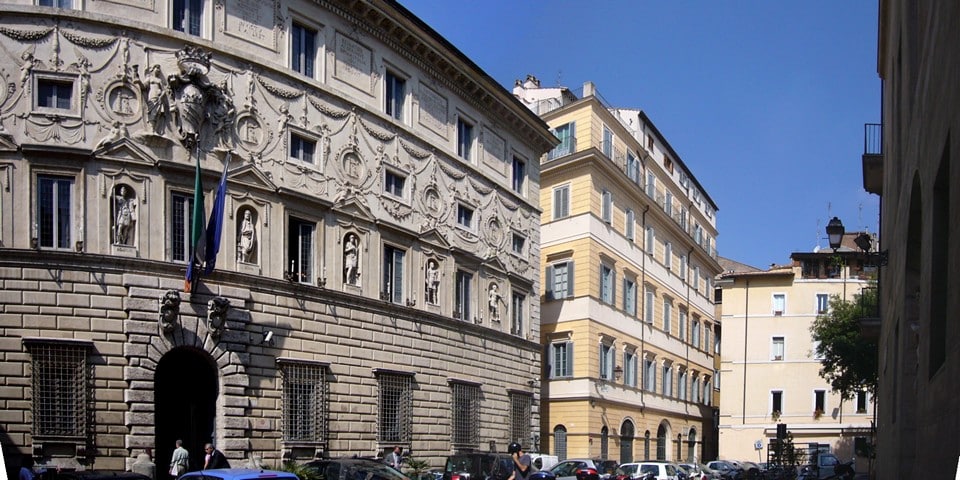
Cardinal Bernardino Spada purchased Palazzo Spada in the early 16th century and, wishing to transform it into a grand family residence, commissioned Borromini for its renovation in 1632. The result exceeded all expectations. The façade of Palazzo Spada is considered the most elaborately decorated in Rome. From the inner courtyard, visitors can view Borromini’s Perspective—an optical illusion gallery that appears four times longer than its actual 30 feet (9 meters), created through sloping floors and narrowing arches.
The art gallery, housed in four rooms on the first floor, features works by Guido Reni, Albani, and Caravaggio. In 1927, the palace was acquired by the state and the gallery has been open to the public ever since. It also hosts sessions of the Council of State.
Palazzo Venezia
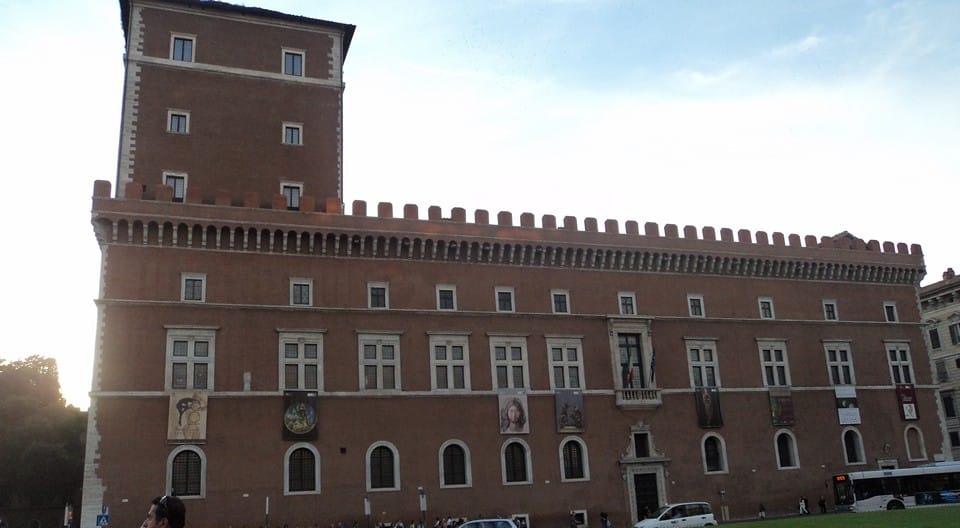
Palazzo Venezia (1455) is a unique structure on Piazza Venezia, where medieval architecture meets the Renaissance. Its imposing walls with rectangular crenellations resemble those of the Moscow Kremlin. Asymmetric windows draw attention—such irregularities were believed to ward off evil spirits. The palace was originally the residence of Cardinal Pietro Barbo, ambassador of the Republic of Venice.
In the 1930s, it became a favored site of Benito Mussolini, who delivered fascist speeches from its balcony. Today, it houses the National Museum.