 Italy for me From Italy with love


Montepulciano – a mysteriously beautiful town in the province of Siena, nestled among the scenic valleys of the Tuscan region.
It rises 1,970 feet (600 meters) above sea level between the valleys of Val d’Orcia and Val di Chiana. The views from this height resemble a biblical paradise. The town’s architecture evokes a subtle sense of unease and a desire to understand its origin. Directors who explore the depths of the subconscious instinctively choose Montepulciano as a filming location.
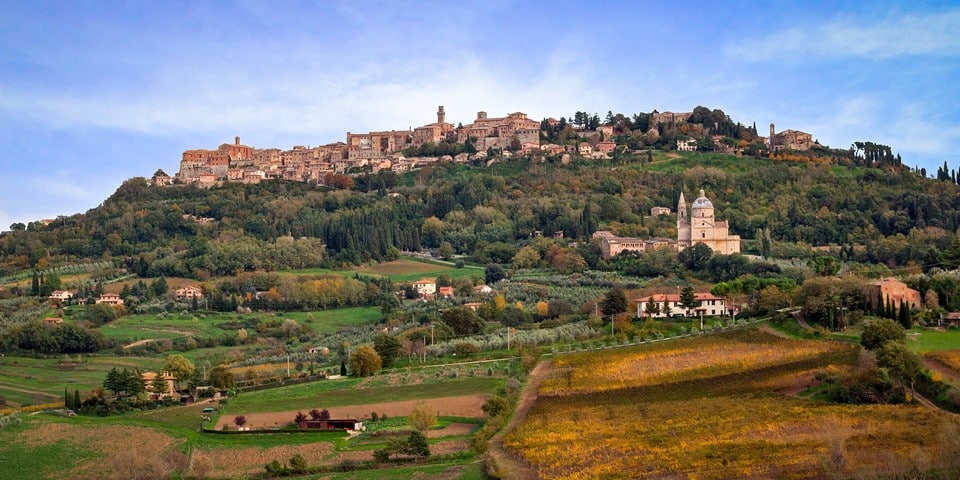
In this region, wine cellars aging the noble “Vino Nobile di Montepulciano” stand alongside tombs of Etruscan nobility, and thermal springs still echo the presence of the ancient Etruscans. Montepulciano is made for lovers of slow travel—for those who savor the depth of wine, the finesse of local cuisine, the culture of the land, and conversations with its people.
Page Contents
History
The people of Montepulciano consider themselves direct descendants of the Etruscans, who laid the foundation of Rome’s greatness.
The town’s location atop a hill is a classic feature of Etruscan civilization. In the 4th–3rd centuries BCE, Montepulciano was the capital of Etruria and the residence of its king (Monte – mountain; Pulciano – chief). Since Etruscan times, the local hills have been cultivated with Sangiovese grapes—the foundation of the famous “Nobile.” The engineering achievements of this ancient people made it possible to use salts from the thermal lakes for healing.
Today, not far from town, the wellness center Terme di Montepulciano is still in operation—its idyllic setting was used for the final scenes of Tom Tykwer’s film “Heaven.” Many homes, shops, and wine cellars conceal the tombs of Etruscan priests. The imprint of ancient culture remains the town’s greatest charm.
A second golden age came in the 15th–16th centuries when the town allied with Florence in its struggle against Siena. Thanks to the Medici dynasty and the talents of great Florentine artists—Sangallo, Vignola, Peruzzi, Michelozzo—the town was transformed into a Tuscan jewel. The late 16th-century buildings, especially the palaces of Tuscan nobles, reflect the style of Mannerism, marked by elaborate forms and unconventional design choices that disrupt the balance of form and content, leaving the viewer with a sense of tension. Perhaps that’s why Andrei Tarkovsky chose Montepulciano to film “Nostalgia,” a story of longing for harmony.
Today, Montepulciano enchants with its illusion of frozen time. The town appears preserved just as it was 500 years ago. Even cars have little space on its narrow arched streets—they simply can’t pass each other.
Attractions and Architecture
For tourists visiting for just a few hours, the entire town feels like one long street starting at the parking area by Porta al Prato and climbing to the top of the hill. Walking this route takes both physical effort and willpower—though there is a shuttle bus that runs up to the main square.
Main Street
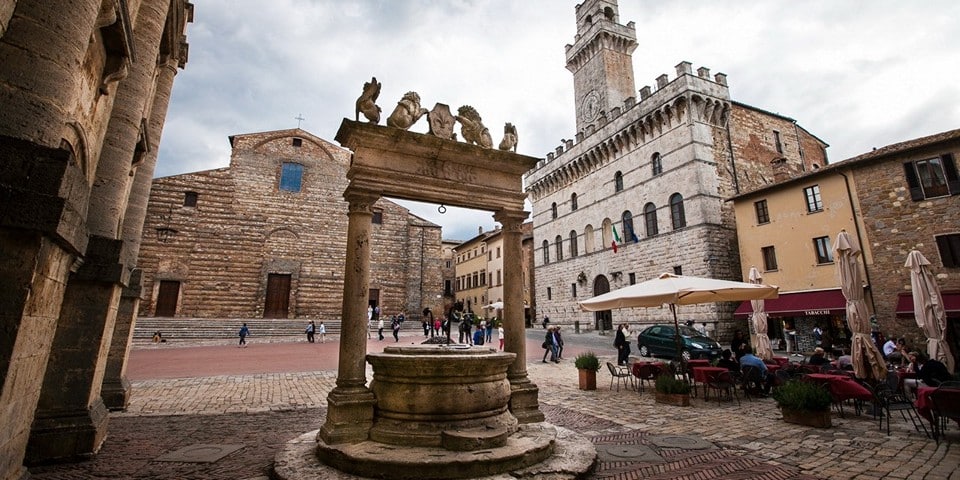
The main street—Via di Gracciano nel Corso—is a lively pedestrian zone filled with shops, souvenir boutiques, restaurants, and wine cellars bearing signs that say “Degustazione libera” – free tasting. Resisting these temptations isn’t easy.
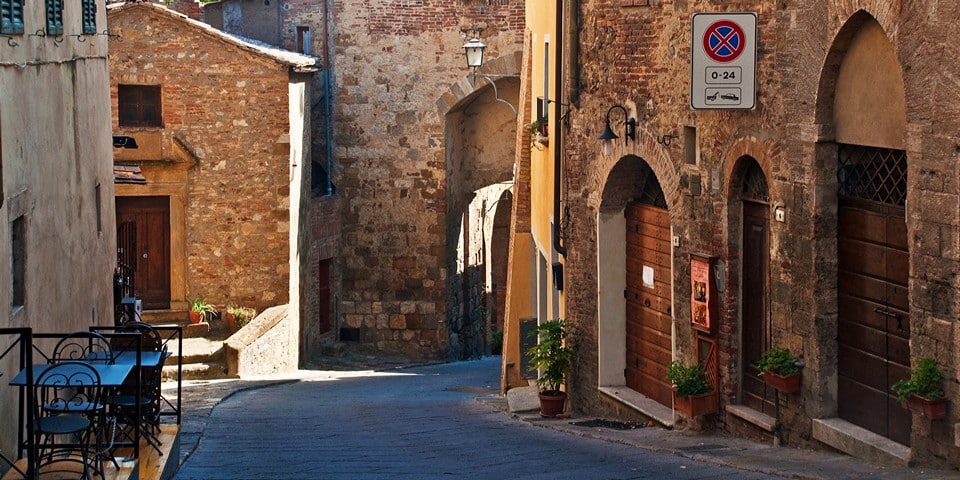
At the beginning of the street stands the Colonna del Marzocco with lions—the emblem of Florence. Until 1511, the site featured a she-wolf, symbolizing the city’s submission to Siena. Midway up the hill is the Pulcinella Tower (La Torre dell’orologio di Pulcinella), which houses the town clock. Every hour, a figurine of the Italian Pulcinella strikes the bell with a hammer from the rooftop.
On either side of the street rise palazzi of the Tuscan nobility, the most eccentric of which is the Palazzo Cervini, shaped like a Latin “U”, featuring a lovely courtyard and a small art gallery inside. Follow the sign to the right to reach the town’s main square.
Cathedral Square
The main square (Piazza Grande) is a textbook example of Late Renaissance architecture, known for its dramatic imbalance between form and content.
Cathedral
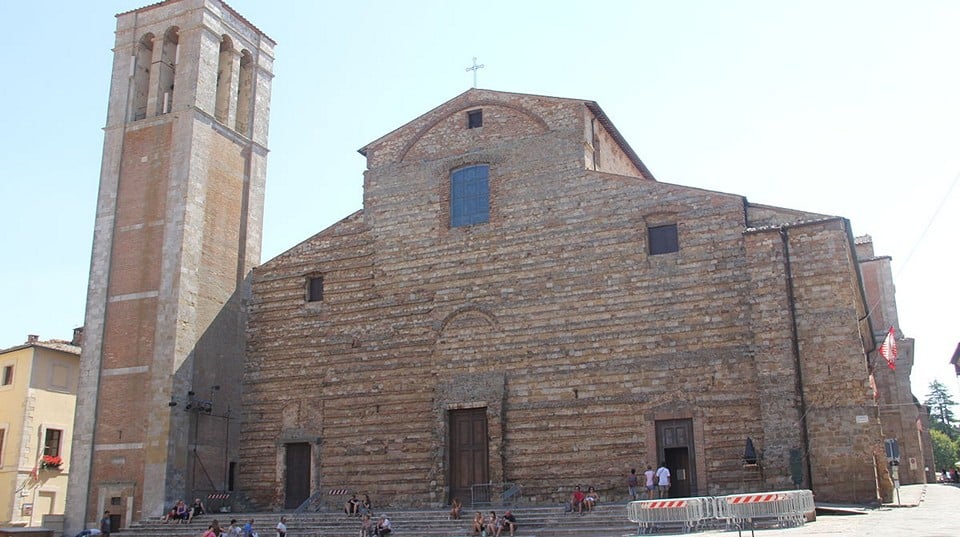
The Cathedral of the Assumption of the Virgin Mary (Cattedrale di Santa Maria Assunta) is the city’s main church, built in the 17th century. The brick structure lacks a decorative façade and appears heavy next to the Gothic bell tower from the 15th century. Inside, the vast interior with massive gray columns draws the eye toward the church’s greatest treasure—a magnificent altarpiece triptych, “The Assumption of the Virgin,” created in the early 15th century by Taddeo di Bartolo.
Town Hall
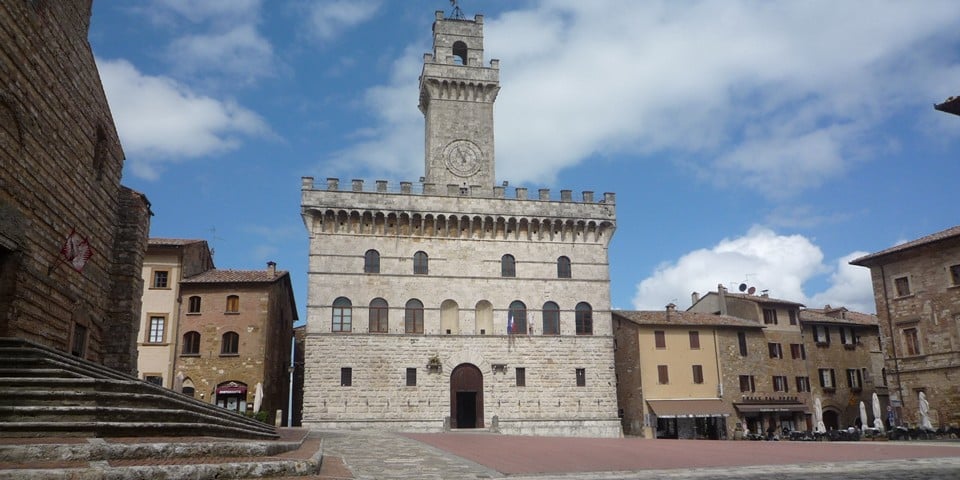
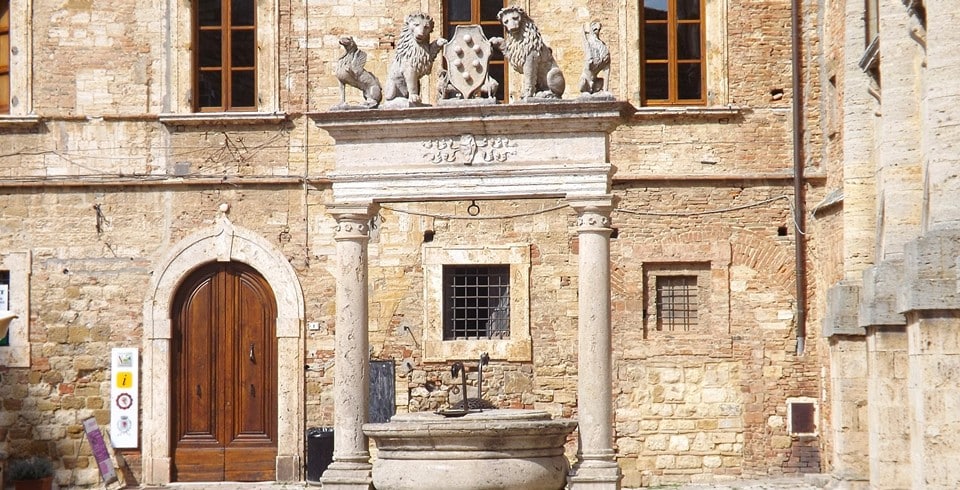
Directly opposite the cathedral stands the Palazzo Comunale—Montepulciano’s version of the Florentine town hall. For about 2 euros, you can climb the palace tower and enjoy a breathtaking view of the Tuscan countryside. Next to the town hall is the Well of Griffins and Lions (Pozzo dei Grifi e dei Leoni), where the creatures hold the Medici coat of arms—a clear symbol of the Florentine dynasty’s former rule over the city.
The aristocratic palaces of the Tarugi (Palazzo Nobili-Tarugi) and Contucci (Palazzo Contucci) families, elegant and refined, flank the Piazza Grande. This square unexpectedly—but harmoniously—became part of the set for the series “Twilight Saga: New Moon.” It’s no surprise that director Chris Weitz saw in it the qualities of a vampire clan’s ancestral home.
Fortress
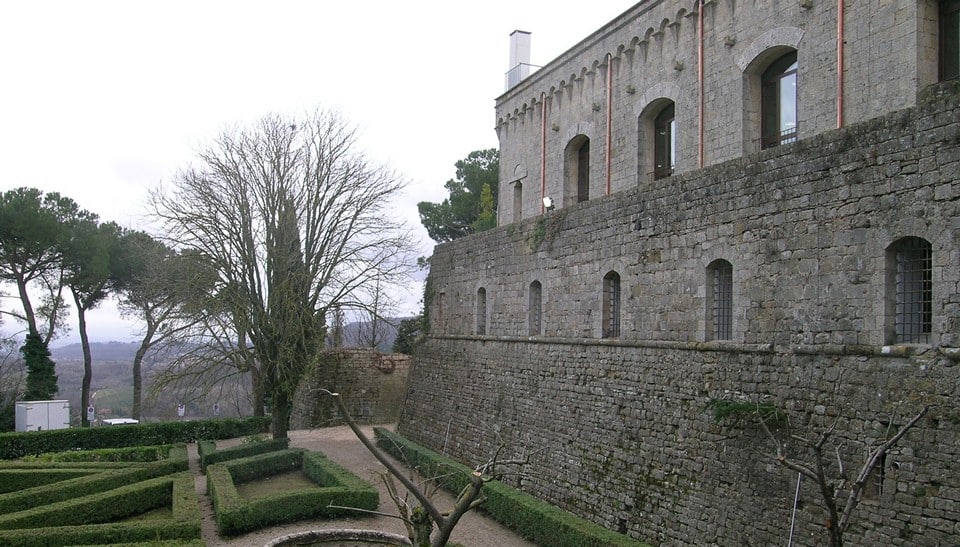
The oldest part of town—the fortress (la Fortezza)—dates back to the 8th–9th centuries. This ancient fortification offers sweeping views of the region and makes one of the strongest impressions on any visit to Montepulciano. Art exhibitions are held inside, and a cozy park surrounds the site.
Church of San Biagio
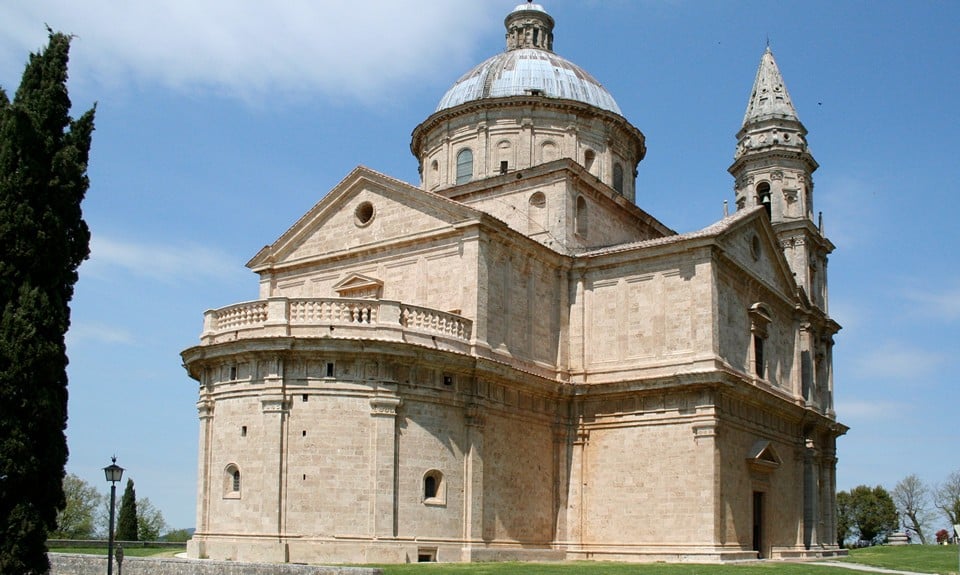
The Church of Saint Blaise (Santuario di San Biagio) is a masterpiece of Renaissance architecture, built by Antonio da Sangallo between 1518 and 1545. It stands at the base of the hill, so visiting requires a steep descent along via di S. Biagio and a climb back up. The church is stunning from the outside: harmonious proportions, refined decoration without excess, and perfect integration with the surrounding landscape.
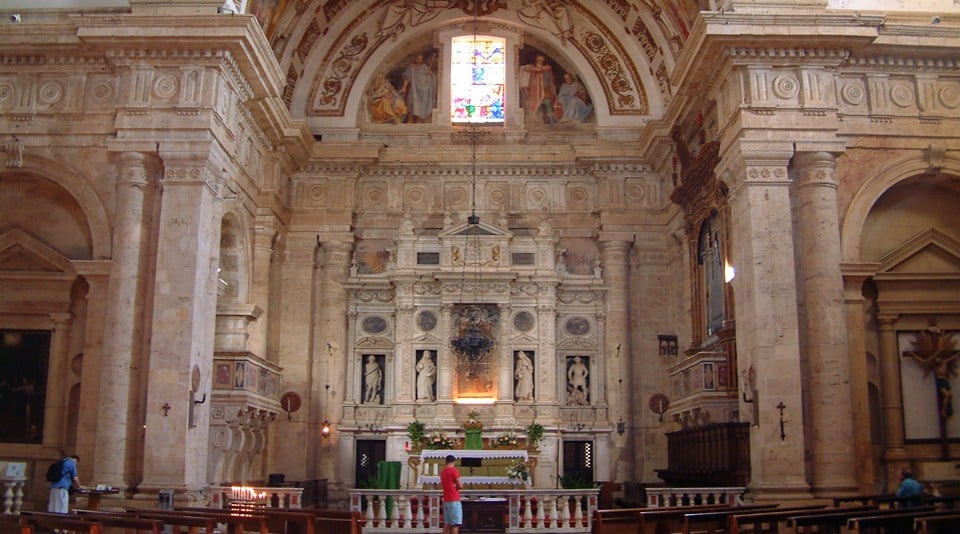
The interior features frescoes, sculptures, wall paintings, and a magnificent organ. The church is still active today. There’s a parking area, and it’s accessible by car.
Food and Wine Tourism
Since the time of the Etruscans, Montepulciano has been an important center of winemaking. Today, the town also boasts a developed food industry.
Vino Nobile di Montepulciano
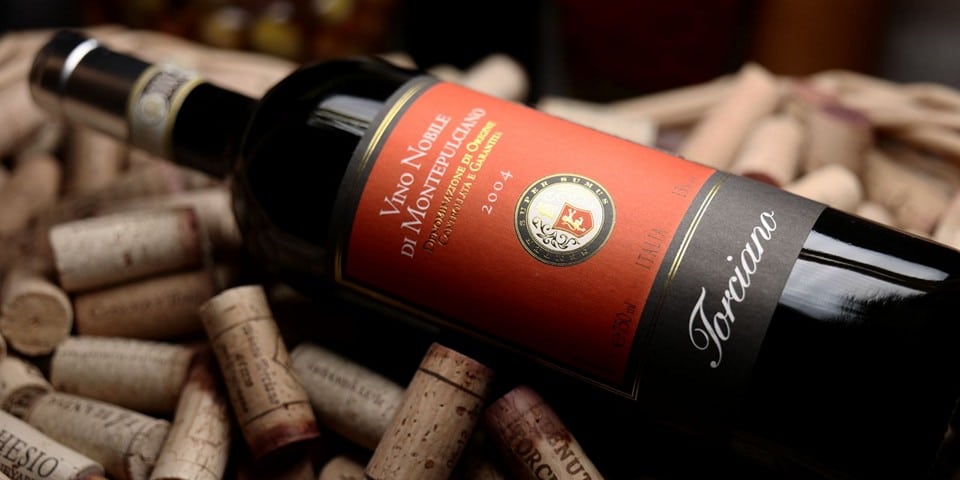
“Vino Nobile di Montepulciano” earned its noble title in the mid-16th century when it was served at the papal court. It was known as “the king of all Tuscan wines” until the 19th century when it began to be blended with Chianti. By the late 20th century, local winemakers had restored the original identity of the grape varieties used to produce Vino Nobile di Montepulciano:
- Sangiovese Prugnolo Gentile – 70%;
- Canaiolo – 30%;
- Mammolo (or another local variety) – 20%.
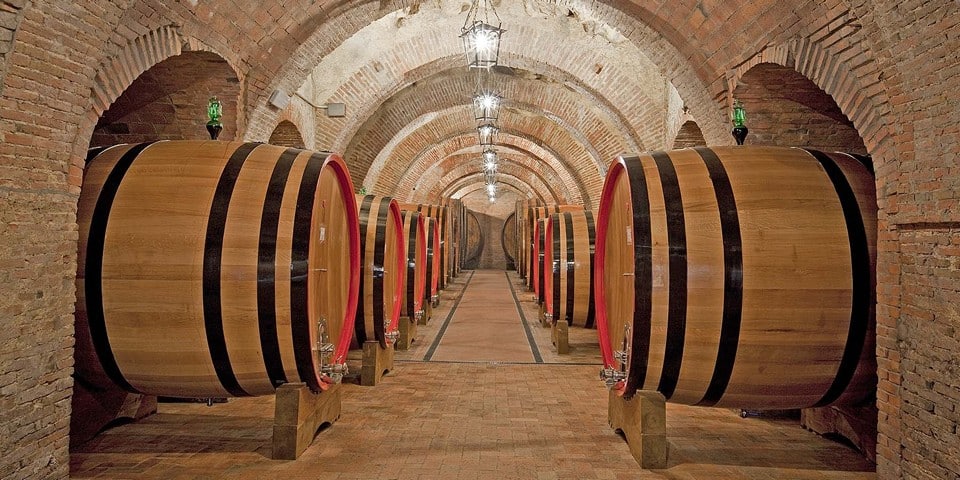
Today, Vino Nobile di Montepulciano holds the prestigious DOCG classification, which strictly defines the grape-growing area and sets high standards for production methods and aging periods. Premium quality wines must be aged for at least 2 years in oak barrels in cool wine cellars and further refined in bottles. Another well-known local wine is Rocco di Montepulciano.
Wineries and Cantinas
The town’s wineries and tasting centers for its famous local wines are among the most visited places in Montepulciano.
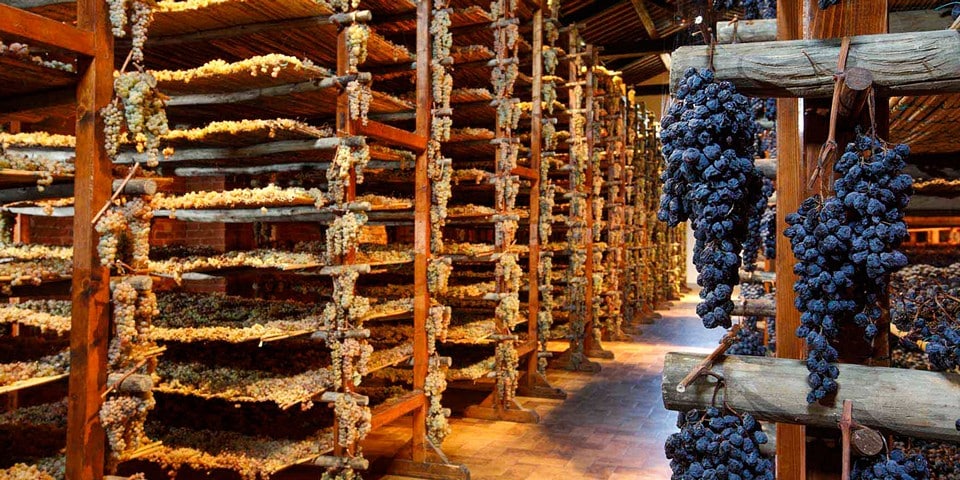
Avignonesi Winery is the top wine estate in town and can be visited on a guided tour. Highlights include learning about wine production, admiring the surrounding countryside, and enjoying tastings paired with local cheeses. Address: Via Colonica, 1, 53045 Montepulciano SI.
A cantina is a cellar used for storing, tasting, and selling wine – and Montepulciano has plenty of them.
Cantina Ercolani is located at the town entrance, with cellars that stretch for kilometers underground. Visitors can even explore an Etruscan burial cave – all free of charge, including the wine tasting. Contucci Cantine is housed in the historic Palazzo Contucci on the town’s main square.
Other popular spots include Cantina de’ Ricci and Cantina Fattoria della Talosa, both near the town center.
Restaurants and Specialties
The most renowned fine dining spots, La Grotta and Le Logge Del Vignola, are located in medieval mansions and serve classic Tuscan cuisine.
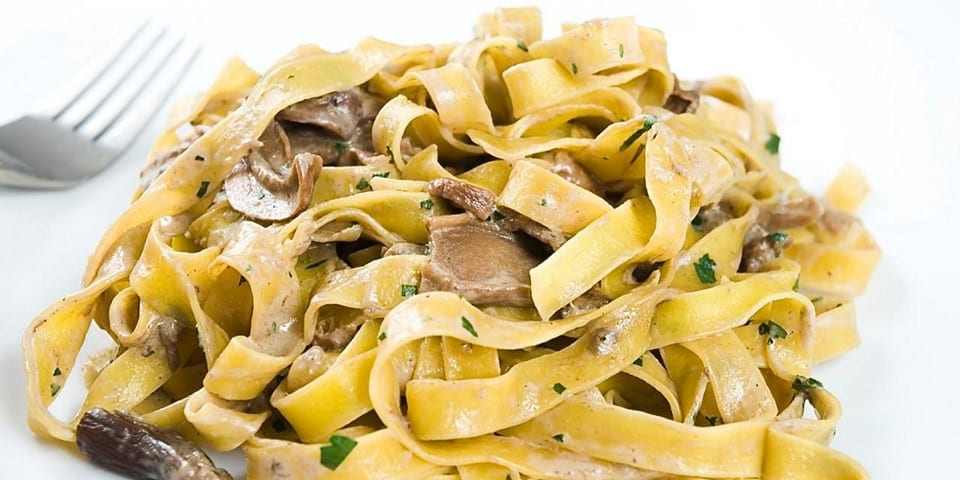
Try tagliatelle (flat egg pasta 5–8 mm wide) with truffles, locally made cured meats, ciaccia (flatbread with olive oil), and ravaggiolo – a delicate cheese wrapped in fern leaves – available in nearly every café in town.
Thermal Baths
The Terme di Montepulciano thermal baths are located 1.5–2 km from town, in the village of Sant’Albino. The waters come from various springs with temperatures ranging from 75°F to 93°F (24°C to 34°C).
Their healing calcium-sulfate-alkaline waters help treat respiratory and heart conditions, skin issues, musculoskeletal disorders, and aid in nervous system recovery. The facilities include baths, hydrotherapy, and therapeutic mud treatments.
Operating season: March 1 – December 21. Open Monday to Friday from 2:30 PM to 6:30 PM, Saturday from 8:30 AM to 12:30 PM. Address: Via delle Terme, 46, 53045 Sant’Albino, Montepulciano
Official website: www.termedimontepulciano.it
Hotels
Montepulciano offers a variety of accommodations to suit every type of traveler.
Etruria Resort & Natural Spa
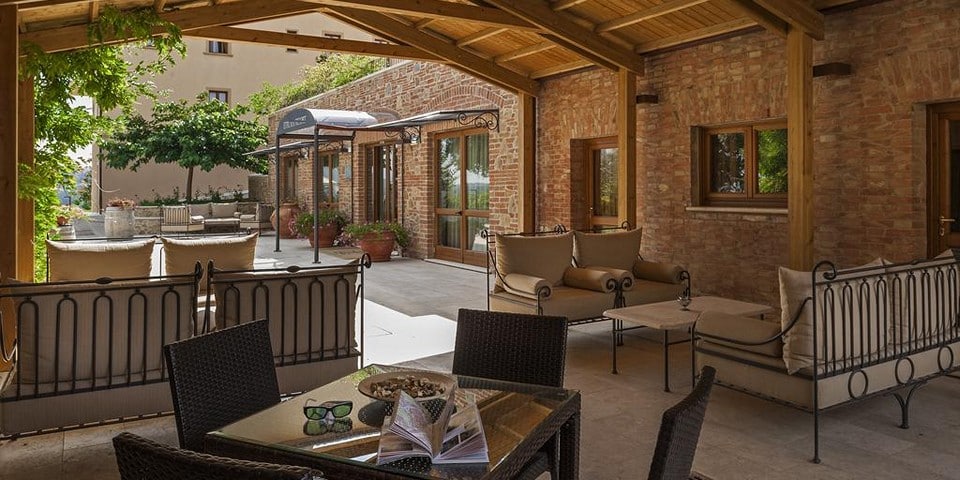
The luxurious 4-star Etruria Hotel is set in a 19th-century villa and features a wellness center with a pool, sauna, hot tub, and fitness room. The rooms are styled with vintage wood decor. The restaurant serves excellent Tuscan cuisine and offers a wide selection of local wines. The hotel is located at the base of the hill and offers stunning views of the town.
La Pievina
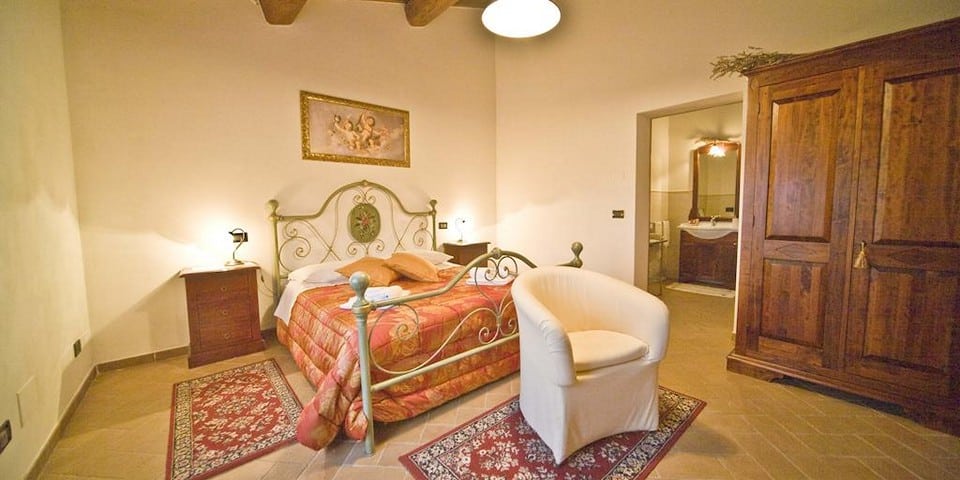
La Pievina is a countryside farmhouse located 3 km (1.9 miles) from Montepulciano in the Val d’Orcia valley, with easy access to local spas and resorts. Free parking is available. The rooms feature rustic country decor, private bathrooms, and TVs. Each morning, guests enjoy a farm-fresh breakfast. The surrounding area is rich with beautiful rural landscapes.
B&B Villa San Bartolomeo
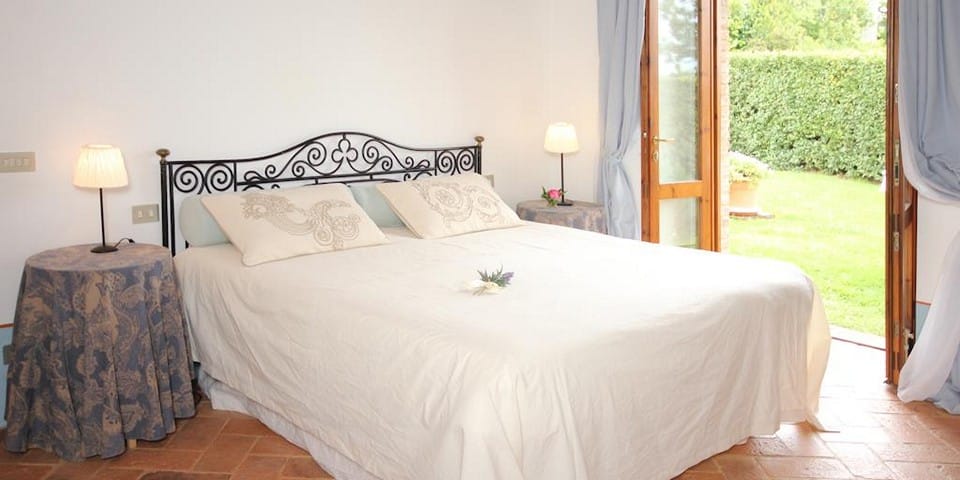
Villa San Bartolomeo is ideal for road-trippers, located just 5 minutes by car from Montepulciano and offering free parking. The rooms are decorated in rustic style and include TVs, Wi-Fi access, minibars, and private bathrooms. A buffet breakfast is served every morning.
How to Get There
Montepulciano is connected by regular bus service to three cities:
- Pienza: 8 buses operate daily to this resort town. Travel time is 30 minutes, and the fare is €2. Check the schedule at www.sienamobilita.it
- Siena: 4 buses per day travel to Montepulciano. The trip takes about 3 hours and costs €5. www.tiemmespa.it. From Siena, trains also run every 4 hours to Montepulciano-Autostazione. Train tickets are available at trenitalia.com. From the station, a short bus ride will take you to Montepulciano-Autostazione.
- Chiusi: The Chiusi-Chianciano Terme railway station is located along the Rome–Florence–Milan route. To reach Montepulciano from these cities, take a train to Chiusi and transfer to a bus, which departs every 30 minutes. The journey takes about 1 hour and costs €2.50. www.sienamobilita.it
If your trip doesn’t include an overnight stay in Montepulciano, it’s a good idea to book a hotel in Chiusi, rent a car, and enjoy a half-day tour of the town and its surroundings.
Car rental: en.italy4.me/road-trips/.
By car, Montepulciano is accessible via the A1 highway. From the north, drive to the town of Bettolle, continue toward Torrita di Siena, then follow the signs to Montepulciano. From the south, head to the Chiusi-Chianciano Terme exit, then follow directions to Montepulciano.
Even a brief and spontaneous visit to Montepulciano will leave a delightful aftertaste and is sure to impress.