 Italy for me From Italy with love


The Pyramid of Caius Cestius (Piramide di Caio Cestio) is a unique architectural monument in Rome that has remarkably withstood the passage of over two millennia. This ancient mausoleum surprises visitors with its grand design, reminiscent of the monumental Egyptian and Nubian tombs—an unexpected form in Italy.
Page Contents
Location
The Pyramid of Cestius stands on the Aventine Hill (Aventino) at the junction of two ancient roads—the Via Ostiense, which once led to Rome’s main harbor, Portus Ostia (now the town of Ostia Antica), and another road heading toward the Tiber River (Tevere), which once ran alongside the modern Via della Marmorata.
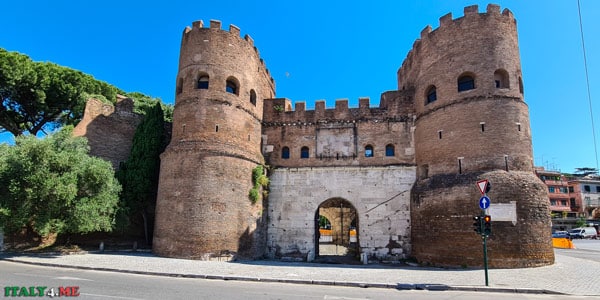
Adjacent to the pyramid are the famous Porta San Paolo gates, which form part of the Aurelian Walls (Muro Aureliano) and once marked the entrance to the ancient city.
Description
The Pyramid of Cestius was built in the shape of an irregular triangle, with steeply sloped sides that give it a sharply pointed appearance. 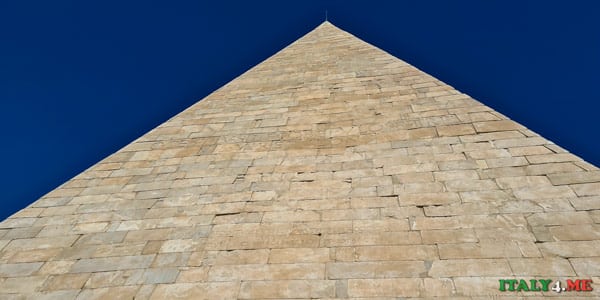
The structure stands 119 feet tall (36.4 meters), with each side of the base measuring 97 feet (29.6 meters) in length. The pyramid was constructed using concrete, with travertine for the foundation and brick and marble for the cladding. The craftsmanship is remarkable—each of the three visible sides is impeccably finished, with the marble blocks expertly fitted together.
When It Was Built, For Whom, and Why
Historians have dated the construction of the Pyramid of Cestius quite precisely to between 18 and 12 BC.
This monumental mausoleum was built as the final resting place of Gaius Cestius Epulo, a magistrate and a member of the prestigious priestly college of the Septemviri Epulonum. His privileged status and public esteem were well justified, given his role in organizing and hosting the popular public feasts (epulae) held on the Capitoline Hill (Monte Capitolino) in honor of Rome’s chief deities—Jupiter, Juno, and Minerva.
The pyramid was built after Gaius Cestius’s death. As noted in an inscription still visible on one of the marble plaques, his will specified that he wished to be embalmed and buried within a pyramid. The will further stipulated that construction must be completed within 330 days; failure to meet this deadline would have resulted in his heirs forfeiting a significant inheritance. Cestius’s status, wealth, and former military achievements afforded the Roman aristocrat such extraordinary final wishes.
Why a Pyramid Shape?
Gaius Cestius sought to immortalize his memory by building a tomb modeled after the pyramids of the Egyptian pharaohs and Nubian rulers.
Following Rome’s conquest of parts of North Africa in the 30s BC, the city became captivated by Egyptian culture and art, which were greatly admired and became fashionable. Rome was soon filled with obelisks and statues of Eastern design.
It is likely that in 23 BC, Gaius Cestius took part in Roman military campaigns in Nubia. There, near the ancient city of Meroë (modern-day Sudan), he would have seen numerous burial pyramids with the distinctive shape that characterizes the Pyramid of Cestius.
Its Role as a Defensive Structure
In the history of Ancient Rome, the Pyramid of Cestius served not only as a mausoleum but also as a defensive fortification. During the barbarian invasions from the north between AD 271 and 275, under Emperor Aurelian (Lucius Domitius Aurelianus), the need arose to construct defensive walls around Rome. 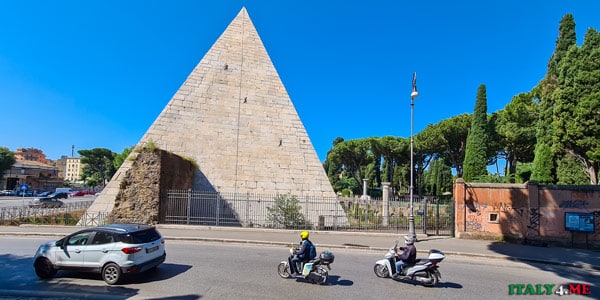
The pyramid became integrated into the wall, allowing the city to save time and funds on additional fortifications while giving the mausoleum the function of a triangular bastion.
The Legend of the Second Pyramid
Over the centuries, the people of Rome gradually forgot who built the Pyramid of Cestius and why.
Alongside Cestius’s tomb, a second, much larger pyramid (presumed to have stood 131 to 164 feet tall, or 40 to 50 meters) once existed in the city. It was located between the Vatican (Stato della Città del Vaticano) and Castel Sant’Angelo and survived until the 16th century.
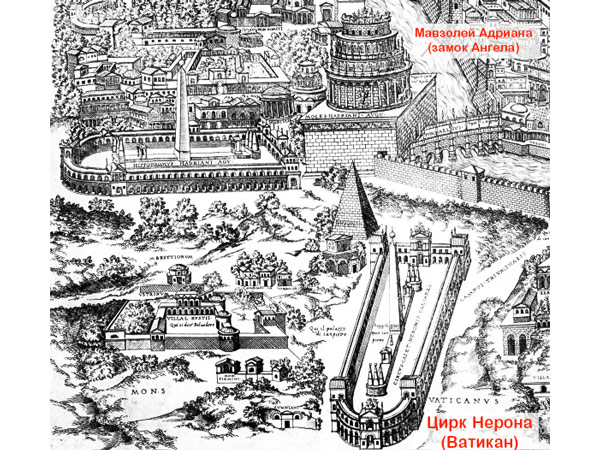
It was known as the “Vatican Pyramid.” According to legend, it was believed to be the tomb of Romulus, Remus’s twin brother. This story was preserved in the writings of the Italian poet Francesco Petrarch (Francesco Petrarka).
Among Christians, a tradition arose claiming that the site of Saint Peter’s martyrdom lay at a midpoint between Rome’s two pyramids. Many religious depictions of the saint’s suffering—including works by Giotto di Bondone and frescoes by Raphael (Raffaello Santi)—feature images of Roman pyramids.
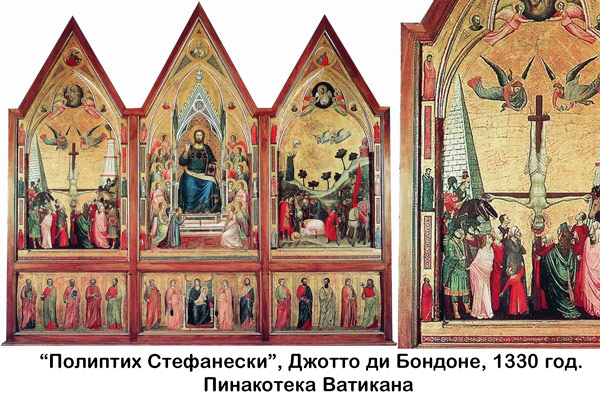
Sadly, the second structure met a tragic fate. By order of Pope Alexander VI (Alexander PP. VI), the Vatican Pyramid was demolished in 1499 during the expansion of Rome’s road network. Its marble facing blocks were repurposed for constructing the staircase of St. Peter’s Basilica.
Restoration
Inscriptions on the pedestals confirmed that the statues depicted Gaius Cestius. Some frescoes remained on the walls, stylistically reminiscent of Pompeian paintings. It became clear that the Pyramid of Cestius had been looted long before its restoration. The urn containing the ashes and much of the interior ornamentation were missing.
In 2001, the entrance and interior were restored, and in 2011, the marble facing of the structure was cleaned. Since 2015, the Pyramid of Cestius has been open to visitors.
Engravings and Paintings
Several historic engravings and paintings depicting the Pyramid of Cestius as a symbol of the Eternal City have survived to this day. The architectural landscapes of the 18th century by Giovanni Battista Piranesi
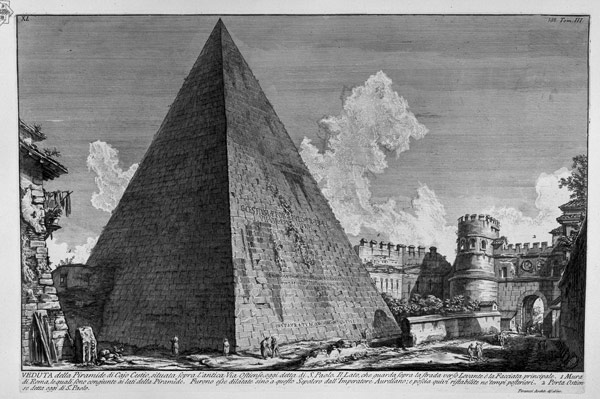
and Giuseppe Vasi
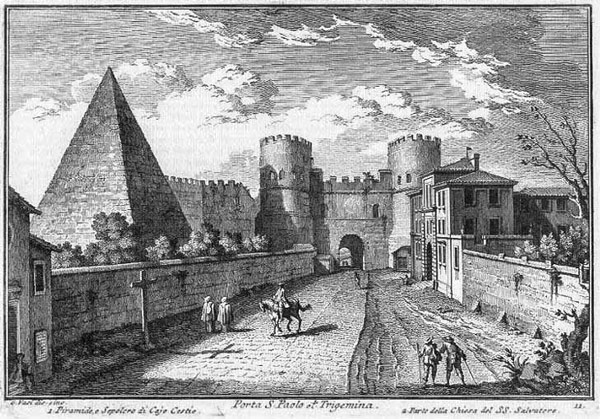
captivate viewers with their mystery and fantastic vistas.
The Pyramid of Cestius is the only surviving ancient structure in Italy that replicates the form of the enigmatic Nubian tombs.
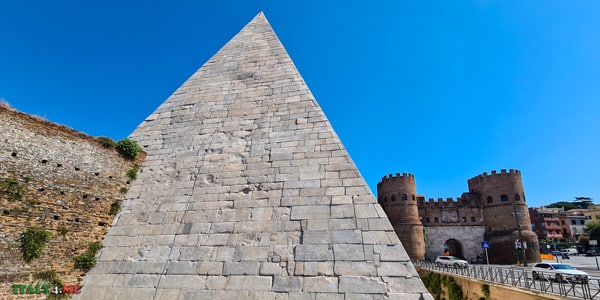
The artistic traditions of Europe and the East converge on Rome’s Aventine Hill in this unique pyramidal tomb, which continues to fascinate and astonish with its singular character.
How to Get There
- Address: Piazzale Ostiense, 00154 Rome RM
- Metro: Line B, Piramide station (Linea B, Piramide stop).
- Bus: No. 75 from Roma Termini Station, 718, 719, 775
- Tram: N3 from the Colosseum or Roma Trastevere Station
Opposite the pyramid is the station where trains depart for the seaside at Ostia Lido. 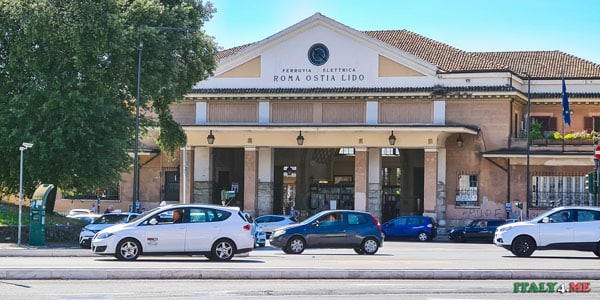
See the guide: how to get to the sea from Rome.