 Italy for me From Italy with love

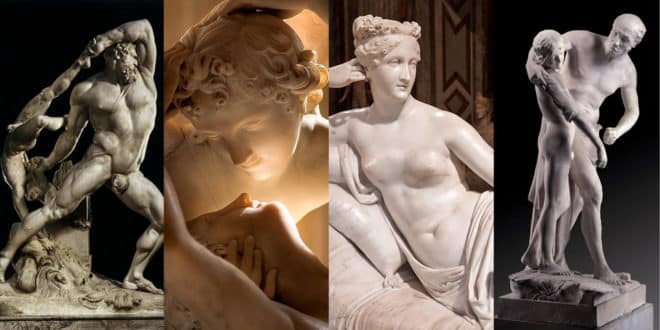
Antonio Canova was the greatest Italian neoclassical sculptor, whose long and prolific career brought him acclaim rivaling that of such masters as Michelangelo Buonarroti and Giovanni Lorenzo Bernini.
Canova’s stunning statues in plaster and marble radiate spiritual grace and are so lifelike that they seem merely frozen for a moment in elegant motion, as if ready to spring back into life.
His contemporaries dubbed him the “Second Phidias,” placing his works on par with the finest sculptures of ancient Greece. Created in the 18th and 19th centuries, the legendary artist’s masterpieces set a lasting standard for neoclassical sculpture and became models of perfection for future generations.
Page Contents
Family
Antonio Canova was born on November 1, 1757, in Possagno—a small, picturesque town about 37 miles (60 km) from Venice.
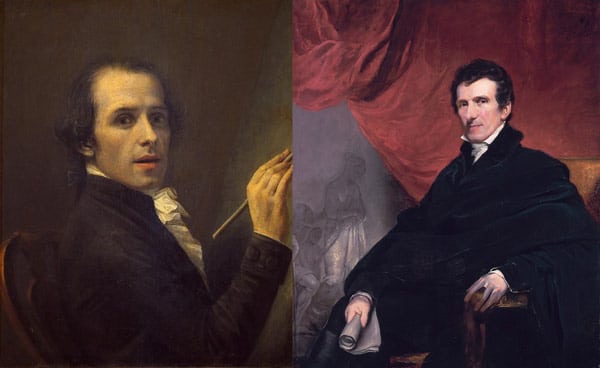
His childhood was materially secure but lacking in affection and care from his immediate family. His father, Pietro Canova, a stonemason by trade, died when Antonio was just four years old. A year later, his mother, Maria Angela Zardo Fantolini, remarried and returned to her hometown of Crespano del Grappa.
Antonio remained in Possagno in the care of his grandfather, Pasino Canova, a skilled stone carver known for his work on churches and villas. Though Pasino had a harsh and temperamental nature, he proved to be a committed guardian and an excellent teacher to his grandson.
Pasino Canova recognized Antonio’s artistic talents early and promptly put him to work as an apprentice on the villa of Venetian senator Giovanni Falier. The boy impressed the prominent patron with his dedication and refined taste. For a banquet attended by Venetian nobility, Antonio sculpted a figure of the Lion of Saint Mark out of butter—so exquisitely crafted it left the guests in awe. Giovanni Falier took charge of Antonio’s future, arranging for him to study under Giuseppe Bernardi in nearby Asolo, not far from Possagno.
1768–1779: Venice and the First Success
In 1768, Antonio Canova moved to Venice, where he continued honing his craft in the studio of sculptor Giuseppe Torretti and took evening nude drawing classes at the Academy of Fine Arts.
This city, filled not only with the breeze of the lagoon but also with deep cultural traditions, revealed the secrets of sculpture to young Antonio and brought him his first real success.
Eurydice and Orpheus
In 1776, Canova exhibited his paired statues of “Eurydice” and “Orpheus” at the Festa della Sensa, Venice’s annual art fair. He had worked on them for two years under commission from his patron, Giovanni Falier.
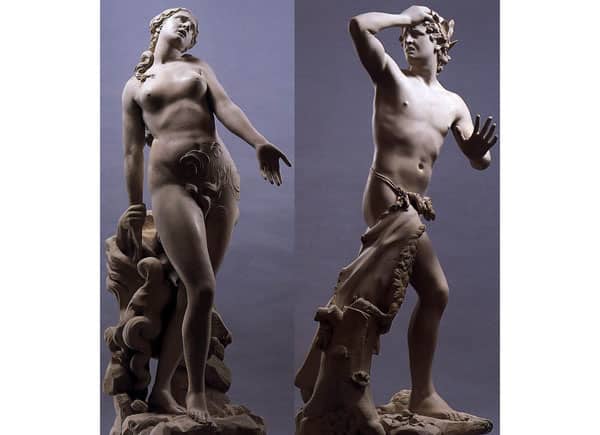
The legendary lovers are depicted at the moment of their fateful exit from the underworld. Orpheus was forbidden to look back at Eurydice—but he did, and lost her forever.
The marble figures capture not only dynamic movement but deep emotion—Orpheus’ despair and Eurydice’s resigned sorrow. This baroque-style masterpiece caused a sensation and earned the 19-year-old Canova immediate fame and acclaim.
Today, the statues of Orpheus and Eurydice are on display at the Museo Correr in Venice.
Daedalus and Icarus
Thanks to improving family finances, Canova was able to open his own studio in Venice and begin earning a living. Between 1776 and 1777, he completed another masterwork: “Daedalus and Icarus.”
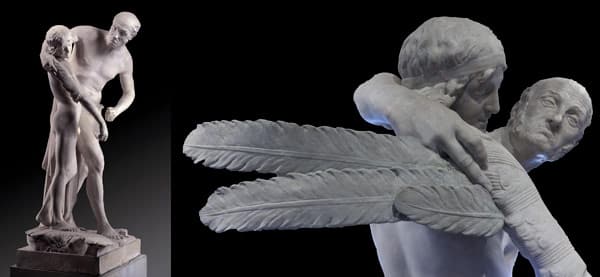
Inspired by the Greek myth, the sculpture shows the inventor Daedalus, creator of the labyrinth on Crete, preparing his son Icarus for their flight to escape the wrath of King Minos. The tender marble composition shows Daedalus gently fastening wings to Icarus’ back, warning him not to fly too high lest the sun melt the wax binding the feathers.
Venetian society warmly embraced this poignant work, confirming Canova’s extraordinary talent.
In 1779, Canova’s growing reputation earned him a seat at the Venetian Academy of Fine Arts (Accademia di belle arti di Venezia) and an offer to teach. Though honored, he had already set his sights on Rome.
The sculpture “Daedalus and Icarus” is also housed in the Museo Correr in Venice.
1780–1797: Rome
Canova’s first stay in Rome, from 1779 to 1780, was brief but incredibly significant. He resided at Palazzo Venezia as a guest of the Venetian ambassador and immersed himself in the city’s vibrant cultural life.
The young sculptor was eager to study the classical art of the Eternal City—not to imitate it, but to chart his own path to sculptural perfection.
Major Works
After permanently relocating to Rome, Antonio Canova created a wide range of works between 1780 and 1797. However, it was his mythologically themed sculptures that brought him global recognition and acclaim.
Theseus and the Minotaur
One of his earliest Roman works, “Theseus and the Minotaur,” was completed in 1781 at Canova’s new studio in Rome.
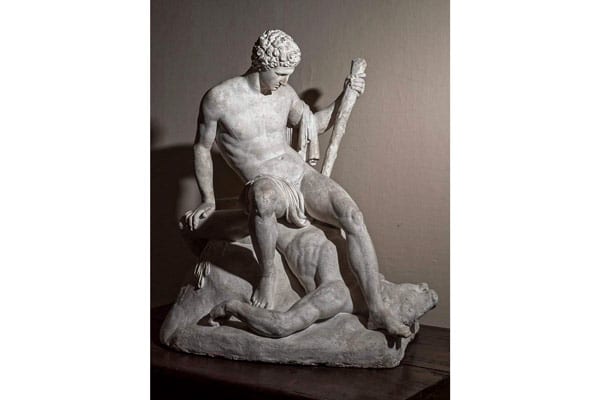
Commissioned by Girolamo Zulian, the Venetian ambassador in Rome and one of Canova’s most important patrons, the sculpture was carved from a massive block of marble provided by the ambassador from the collection of the Victoria and Albert Museum.
Uniquely, the piece depicts Theseus not in the heat of battle, but in the aftermath of his victory—seated pensively over the slain Minotaur. The serene composition, rather than dynamic movement, underscores Canova’s restrained and elegant style inspired by classical antiquity. When first unveiled, the sculpture was mistaken for a genuine Greek original, leaving viewers stunned upon learning it was the work of a contemporary.
“Theseus and the Minotaur” is now housed at the Victoria and Albert Museum in London.
Psyche Revived by Cupid’s Kiss
“Psyche Revived by Cupid’s Kiss” is perhaps Canova’s most iconic work—a masterpiece of neoclassical sculpture.
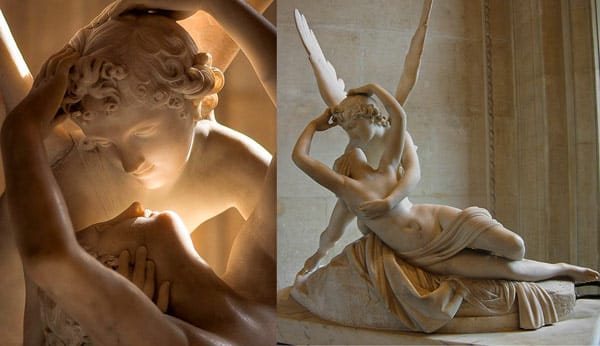
Canova worked on the piece from 1787 to 1793. It depicts the tender moment when the mortal Psyche is brought back to life by the kiss of her beloved, the son of Venus. Psyche had fallen into a death-like sleep after being poisoned by a potion from the underworld, but Cupid’s embrace restores her. Inspired by a fresco in Herculaneum, Canova adapted the scene with remarkable grace and serenity, creating a composition of striking elegance.
This sculpture is now displayed in the Louvre, Paris.
Hercules and Lichas
Colossal in scale (over 3 meters tall), “Hercules and Lichas” stands out among Canova’s works for its explosive dynamism and emotional intensity.
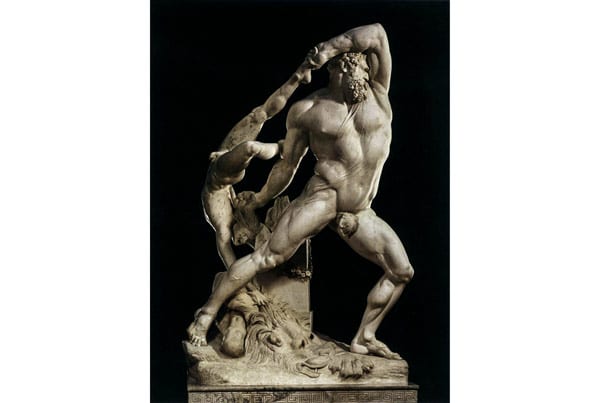
Based on Sophocles’ tragedy “The Trachiniae,” the sculpture depicts Hercules hurling Lichas, the messenger, into the sea after receiving a poisoned tunic from his wife Deianira. The tunic, tainted with the blood of a centaur who falsely claimed it would ensure Hercules’ fidelity, caused excruciating pain. Canova portrays both the powerful Hercules and the fragile Lichas as victims of fate, each helpless in their own way.
Though the sculpture had been commissioned for a significant sum, the patron fled Naples due to Napoleon’s invasion and never took possession of it. Canova, who began work on it in 1795, finished it in 1815 and later sold it to a Roman banker.
1800–1815: France – Court Sculptor to Napoleon
By 1800, Canova had become the most celebrated sculptor in Europe, with a prestigious network of patrons—including Napoleon Bonaparte.
Though personally distressed by the Corsican general’s conquests in Italy, Canova accepted a firm request from the future emperor and made his first trip to Paris in May 1801. Over the years, he completed numerous commissions for the Bonaparte family, further elevating his fame as the leading figure in neoclassical sculpture.
Napoleon as Mars the Peacemaker
From 1803 to 1806, Antonio Canova worked on the statue of Napoleon depicted as Mars the Peacemaker. The idealized physique of the nude warrior-god bore little resemblance to the real emperor, which left Napoleon bewildered and dissatisfied with the result.
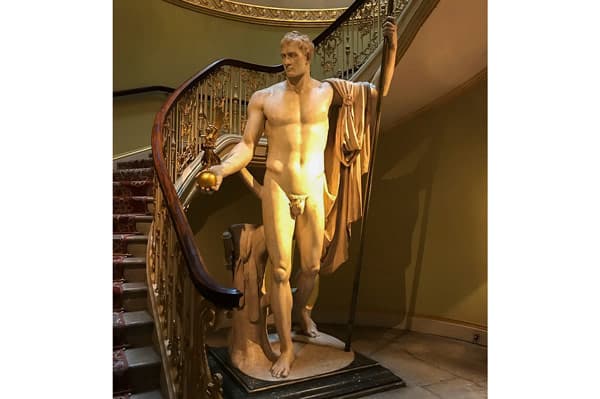
When Napoleon asked why Canova had portrayed him this way, the sculptor famously replied: “The nude is the language of sculpture.”
The statue was briefly displayed in the Louvre, but hidden behind a screen at Napoleon’s command. In 1816, the English purchased the statue and placed it on display by the staircase of the Duke of Wellington’s London residence, where it remains today.
Canova created five additional plaster versions of the statue, but the most famous replica is a bronze cast that has stood since 1859 in the central courtyard of Palazzo di Brera in Milan.
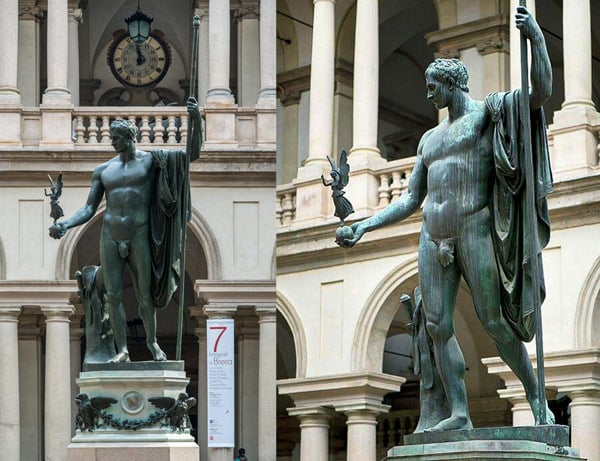
This version was cast in 1811 from melted bronze cannons taken from Castel Sant’Angelo in Rome.
Pauline Bonaparte as Venus Victrix
The most striking sculpture of Canova’s French period is his portrait of Napoleon’s sister Pauline Bonaparte as Venus Victrix (1804–1808). The golden apple in her hand symbolizes the prize awarded by Paris to the fairest goddess.
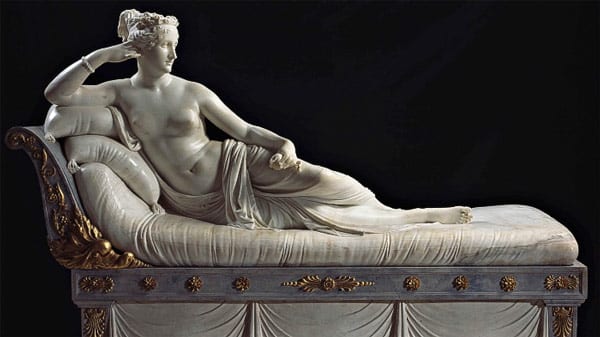
Originally, Canova intended to sculpt her as the modest Diana the Huntress, but Pauline herself insisted on being portrayed nude and posed without inhibition. Although she had married Roman nobleman Camillo Borghese just a year earlier, she had already earned a reputation for scandal due to her extramarital affairs. The resulting sculpture was both breathtaking and provocative.
Only select guests of the Borghese family were allowed to view the masterpiece—shown by candlelight to heighten the sensual impact of Pauline-Venus’ captivating form.
Helpful links:
- Sculpture details on the Borghese Gallery website
- Guided tour of the Borghese Gallery
- In-depth article on the gallery’s masterpieces
The Three Graces
Antonio Canova sculpted “The Three Graces” between 1814 and 1817, commissioned by Josephine, the first wife of Napoleon, who sadly passed away before she could see the completed masterpiece.
As expected, the celebrated sculptor’s new work created a sensation across Europe.
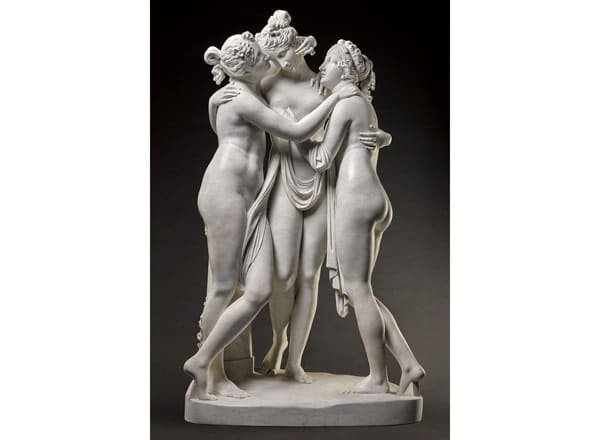
According to Greek mythology, the Three Graces—Euphrosyne, Aglaea, and Thalia—were daughters of Zeus and the sea nymph Eurynome. They are symbols of joy, beauty, and festivity.
Canova captured these figures in marble, embodying his vision of feminine perfection. The sisters, linked together in a semi-circular embrace, radiate elegance and serenity. Their faces express peace and calm, while their bodies exude a softness and warmth almost tangible in the stone.
The theme of the Three Graces has been explored across various cultures and eras, each reflecting changing ideals of female beauty. It’s fascinating to compare Canova’s interpretation with depictions found in ancient frescoes from Pompeii and in the paintings of Raphael, Botticelli, Dirck de Quade van Ravesteyn, and Rubens.
Statues That “Replaced” Ancient Masterpieces
Two of Antonio Canova’s sculptures are often compared with legendary ancient Greek masterpieces because, for a time, these 19th-century works literally stood in place of the originals.
Following the Treaty of Tolentino in 1797—imposed by Napoleon—much of Italy’s artistic heritage was transported to France. Among the treasures were the marble statues of the Apollo Belvedere and the Medici Venus, both masterpieces of Hellenistic sculpture from the 1st century BC. Today, they are housed in the Vatican Museums.
After Napoleon’s abdication in 1815, Canova played a vital role in the recovery and repatriation of Italy’s stolen masterpieces, including these priceless works.
Venus Italica
To Napoleon’s credit, in an effort to soften the blow of his cultural plunder, he commissioned Antonio Canova in 1802 to sculpt the Venus Italica (completed between 1804 and 1808). This statue temporarily replaced the missing Medici Venus in Florence’s Uffizi Gallery.
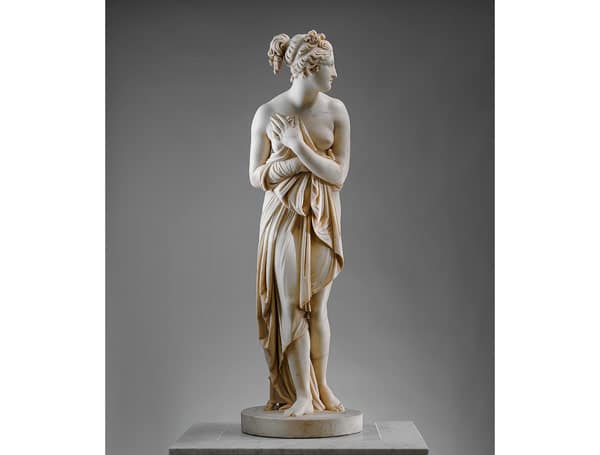
The debate over which depiction of the goddess of love is superior remains lively. Many argue that Canova’s artistry surpassed that of the ancient Greek sculptor Cleomenes of Athens. Canova’s Venus breathes with life and emotion, thanks to his extraordinary ability to capture the softness of human flesh and the shyness of modest beauty in marble.
Perseus Triumphant
From 1802 to 1815, Antonio Canova’s Perseus Triumphant occupied the pedestal once reserved for the Apollo Belvedere at the Vatican. Canova sculpted this work between 1800 and 1801, and it was later purchased by Pope Pius VII to replace the missing Apollo.
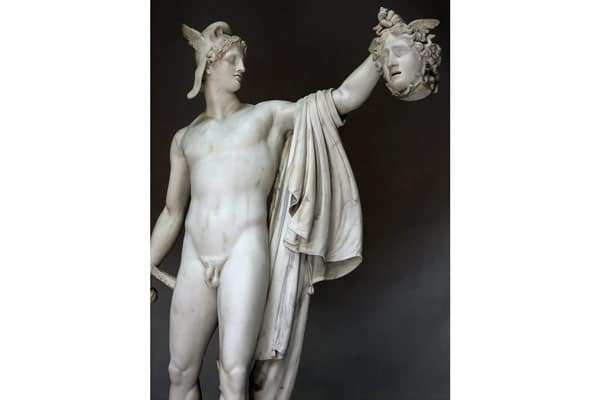
In this statue, the Greek hero Perseus is shown moments after slaying Medusa. Interestingly, Canova based the monstrous visage of Medusa—with snakes for hair—on the famous Medusa Rondanini, a 5th-century BC copy attributed to Phidias.
Perseus was so beloved by viewers that, even after the Apollo Belvedere was returned from Paris, Canova’s sculpture continued to share the same pedestal for some time.
1816–1822: Late Period
As a true patriot, Antonio Canova did not remain in Paris. In 1816, he returned permanently to Rome.
Despite holding prestigious positions and enjoying immense fame, Canova could no longer work at full capacity. Age and health problems had begun to take their toll, and in 1818 he retired to Possagno, seeking to spend his remaining years in peace and quiet.
The Canova Temple
At the request of local residents, Canova contributed to the construction of the Church of the Holy Trinity (Chiesa arcipretale della Santissima Trinità), now known as the Canova Temple (Tempio Canoviano).
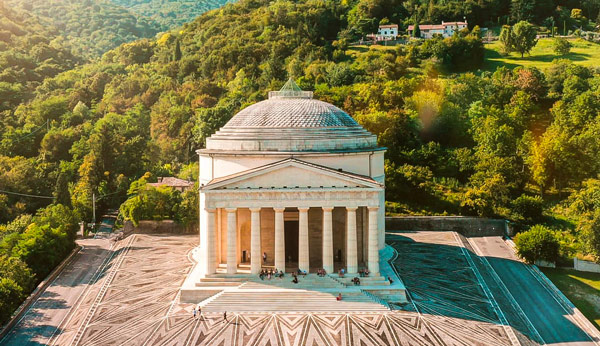
Canova’s architectural talent shone in the unique design of this religious structure. Built in a pure neoclassical style, the temple simultaneously recalls both the Pantheon of Rome and the Parthenon of Athens.
Canova also personally financed much of the construction work and continued to accept commissions to fund the project. However, he did not live to see the temple completed. According to his will, the work was finished in 1832 by his half-brother and childhood friend, Bishop Giovanni Battista Sartori.
- Interesting Fact: Canova’s request to be buried in the Pantheon in Rome was denied. Nevertheless, he effectively created his own “Temple of All Gods” in his hometown of Possagno. Built at the foot of Col Draga at an elevation of 1,122 feet (342 meters) above sea level, the structure makes a powerful impression.
Official website of the Canova Temple: www.museocanova.it
Final Works
Even in his final years, despite serious illness, Antonio Canova continued to work during periods of relief.
In the twilight of his career, he produced several replicas of his renowned sculptures and completed new masterpieces, as refined as those from the height of his fame:
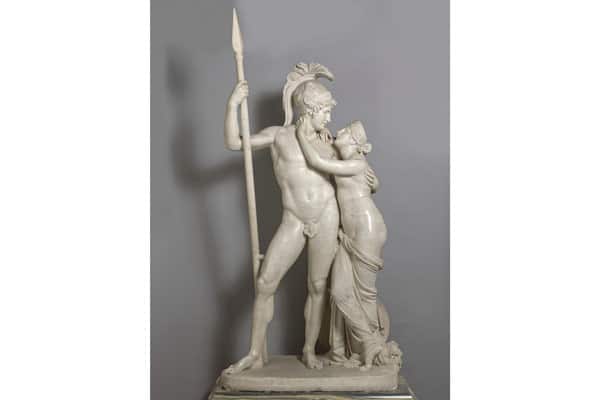
- The marble duo “Mars and Venus” (1815–1822), an allegory of war and peace created in the year of England’s victory over Napoleon at the Battle of Waterloo;

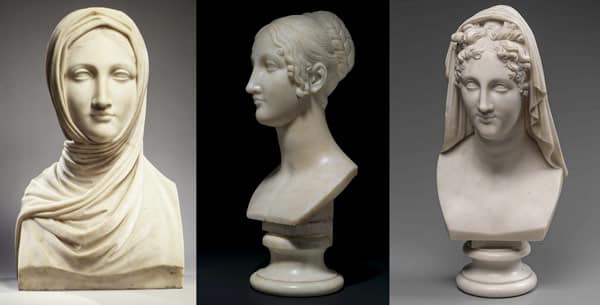
- Busts of “Vestal Virgin” (1818), “Lucrezia d’Este” (1821–1822), and “Beatrice” (1818–1822);

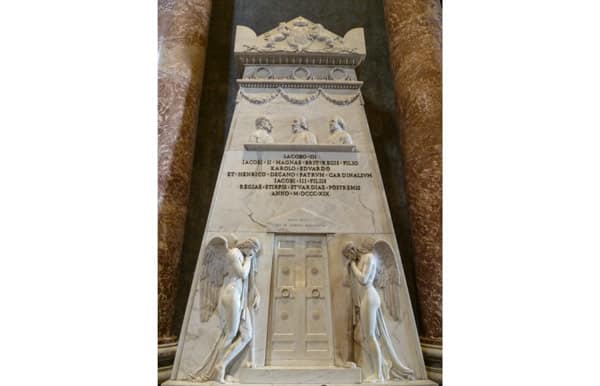
- The Stuart Cenotaph for St. Peter’s Basilica (1819);

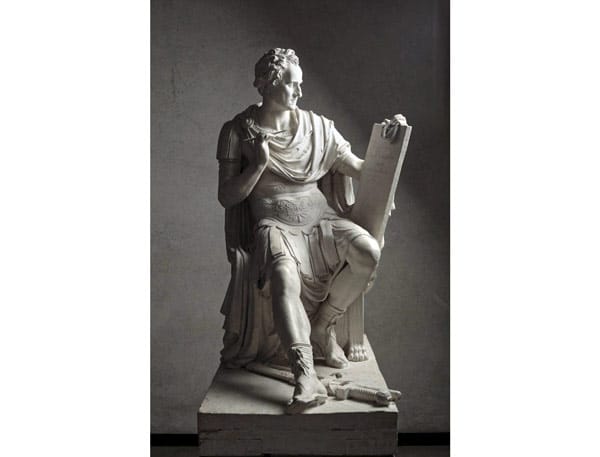
- The statue of George Washington dressed in ancient Roman armor (1815–1822);

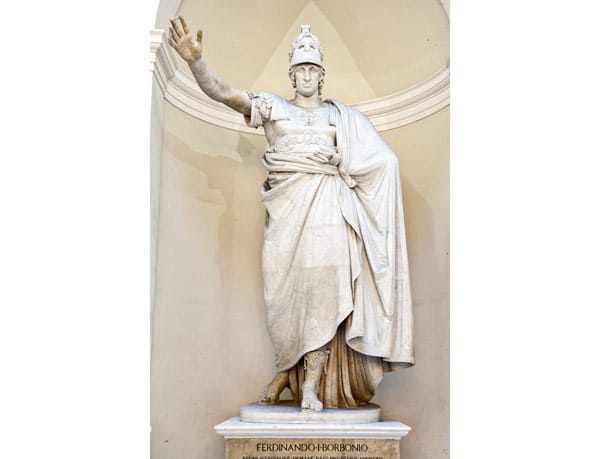
- The statue of Ferdinand IV portrayed as Minerva (1822);

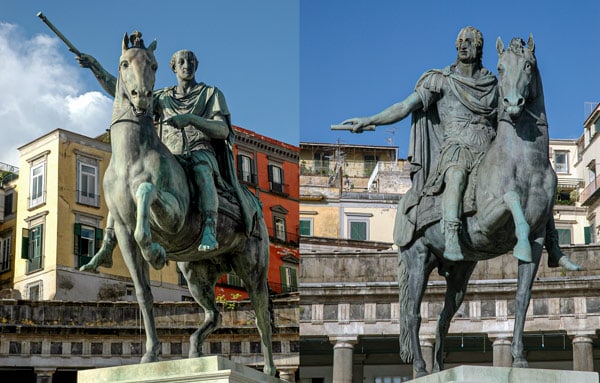
- Two equestrian statues for Piazza del Plebiscito in Naples—one of Charles III of Bourbon and the other of his son Ferdinand I. After Canova’s death, his pupil Antonio Cali completed the work.

Secrets of His Technique
The creative productivity of Antonio Canova is astounding. Over the course of his life, he personally created about 50 sculptures and completed more than 180 works with the help of his assistants—yet every piece remains a masterpiece.
The secret to such rare talent lay not only in Canova’s divine gift but also in his unique working methods.
Canova meticulously prepared for each sculpture, making sketches, drawing from life, and modeling clay maquettes. At the initial stage, his apprentices would rough out the raw marble block, after which Canova himself would sculpt the form he envisioned so clearly.
He preferred working at night to capture the gentle interplay of light and shadow on the marble, striving for a sense of ideal softness in the stone’s surface. Polishing could last for days or even weeks, and he concluded each piece with his unique “final touch”—applying a patina to “bring the sculpture to life.”
Death and Memorial
Antonio Canova died on October 13, 1822, in Venice (while en route to Rome), conscious and serene, his last words being “Anima bella e pura” (“A beautiful and pure soul”).
An autopsy revealed that the cause of death was intestinal obstruction and necrosis at the level of the stomach’s pylorus. His body was buried at the temple in Possagno, while his heart was temporarily placed in a porphyry urn and entrusted to the Venetian Academy of Fine Arts.
In 1827, Canova’s students raised funds and erected a memorial to their master in the Basilica di Santa Maria Gloriosa dei Frari (Basílica de Santa María Gloriosa dei Frari).
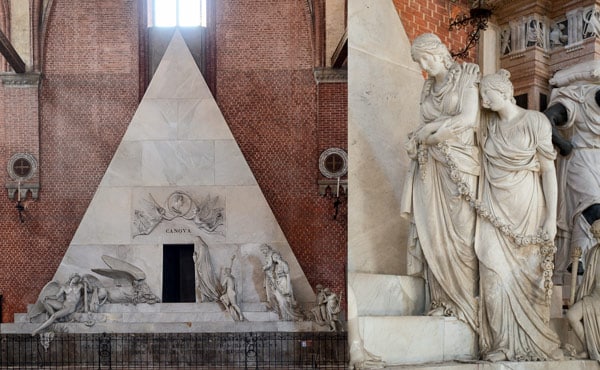
The pyramid-shaped cenotaph was designed by Canova himself in 1792 for Titian, but was never erected for its original purpose. Canova’s heart rests in an urn held by a veiled figure at the entrance of the monument.
The memorial is rich in symbolism:
The youth ascending the stairs with a torch represents Canova’s genius rising to glory; the seated winged youth with an inverted torch symbolizes death; and the serpent encircling the sculptor’s portrait above the door signifies eternity.
The composition of the memorial serves as a brilliant final chord to Canova’s life and work: death did not extinguish the star of his talent, for his sculptures have become eternal embodiments of human beauty, existing beyond the reach of time.