 Italy for me From Italy with love


At some point during any trip—especially to Italy—it becomes essential to immerse yourself in high art, not just relax on the beaches. That’s where our selection of the top ten museums and galleries in Rome comes in handy.
We recommend visiting museums in the afternoon, when tourist crowds tend to thin out a bit.
Page Contents
Vatican Museums
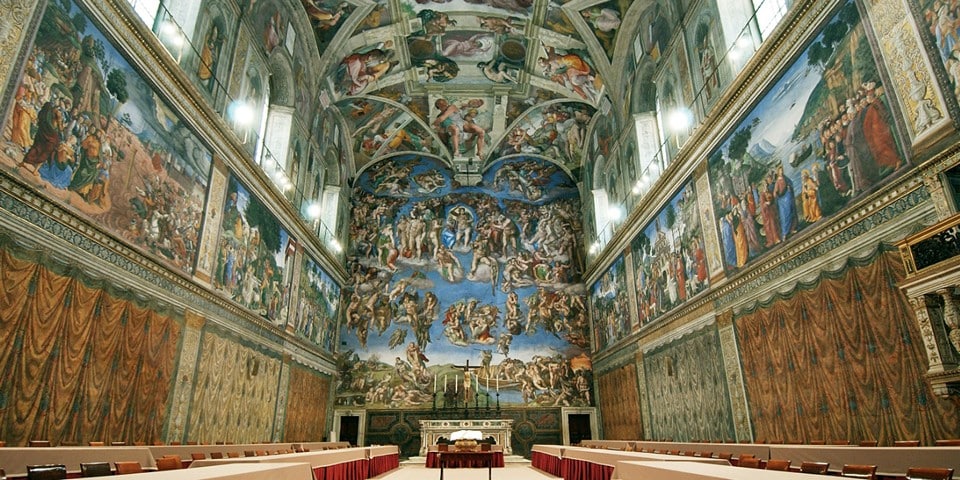
The vast Vatican Museums complex (Musei Vaticani) spans the territory of Vatican City. It comprises 54 galleries, including the Apostolic Library, the Raphael Rooms, and the Sistine Chapel, famously painted by Michelangelo. Founded by Pope Julius II in 1506, the museum’s first acquisition was the sculpture group “Laocoön and His Sons.”
- We strongly recommend visiting the Vatican with a professional guide.
- Also read how to buy tickets to the Vatican Museums without waiting in line.
National Roman Museum
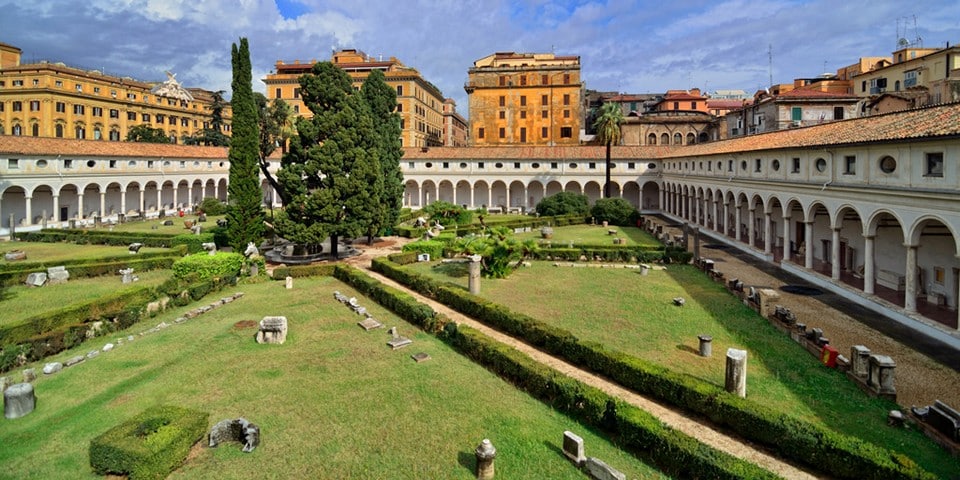
The National Roman Museum (Museo Nazionale Romano) is housed in three buildings:
- Baths of Diocletian – these halls contain a collection of ancient inscriptions and sculptures.
- Palazzo Altemps – home to 104 classical sculptures from the Ludovisi family, an Egyptian collection, and the Mattei collection.
- Palazzo Massimo alle Terme – features the richest collection of ancient frescoes, jewelry, and coins. Remarkably, you can see currency once used by Julius Caesar himself!
Borghese Gallery
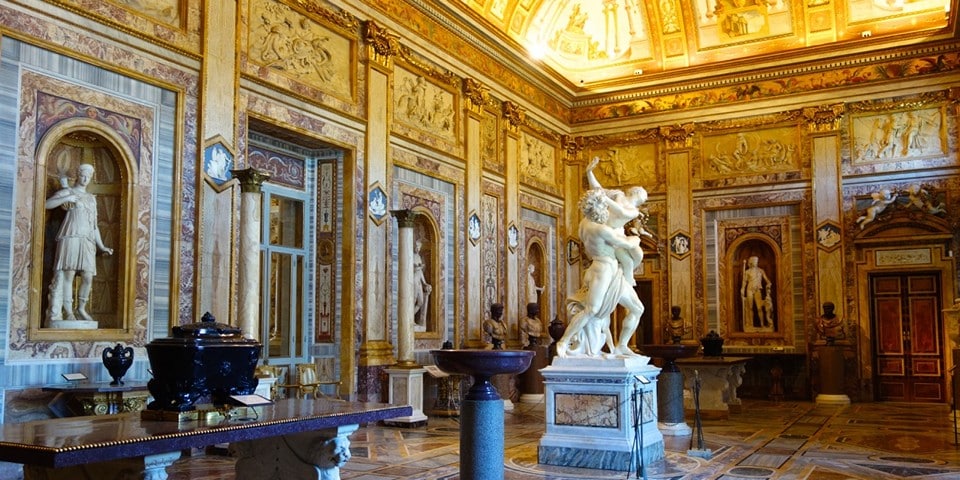
Borghese Gallery (Galleria Borghese) is rightfully called the “queen of private collections.” It was founded by Cardinal Scipione Borghese, whose passion laid the foundation for this exceptional museum. Today, visitors can admire outstanding examples of classical art and the finest sculptures by Bernini.
Recommended reading: How to buy Borghese Gallery tickets on your own
Recommended experience: Tour of the Borghese Gallery
Capitoline Museums
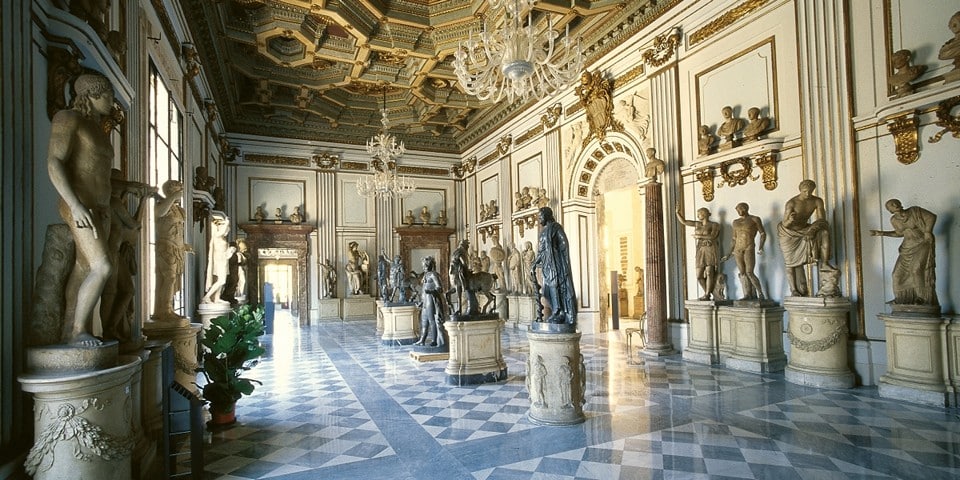
The Capitoline Museums (Musei Capitolini) are housed in three palaces on Capitoline Hill: the Palazzo Senatorio, Palazzo dei Conservatori, and Palazzo Nuovo.
The museum’s origin dates back to 1417, when Pope Sixtus IV gifted a collection of ancient bronze statues to the people of Rome. Today, the Palazzo dei Conservatori displays an impressive array of classical antiquities, including the prized original of the Capitoline Wolf. The Palazzo Nuovo features remarkable mosaics recovered from Emperor Hadrian’s villa in Tivoli.
National Gallery of Ancient Art
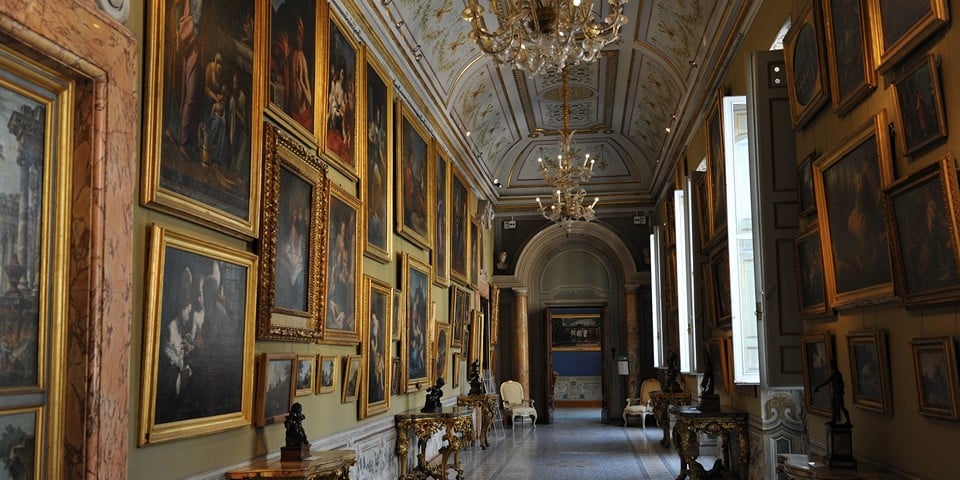
The National Gallery of Ancient Art (Galleria Nazionale d’Arte Antica) is housed in the Barberini and Corsini palaces. The Barberini collection features masterpieces such as Raphael’s “La Fornarina” and Caravaggio’s “Judith Beheading Holofernes,” along with works by Titian and El Greco. The Corsini Palace displays additional works by Caravaggio, Rubens, and Bruegel.
Villa Giulia
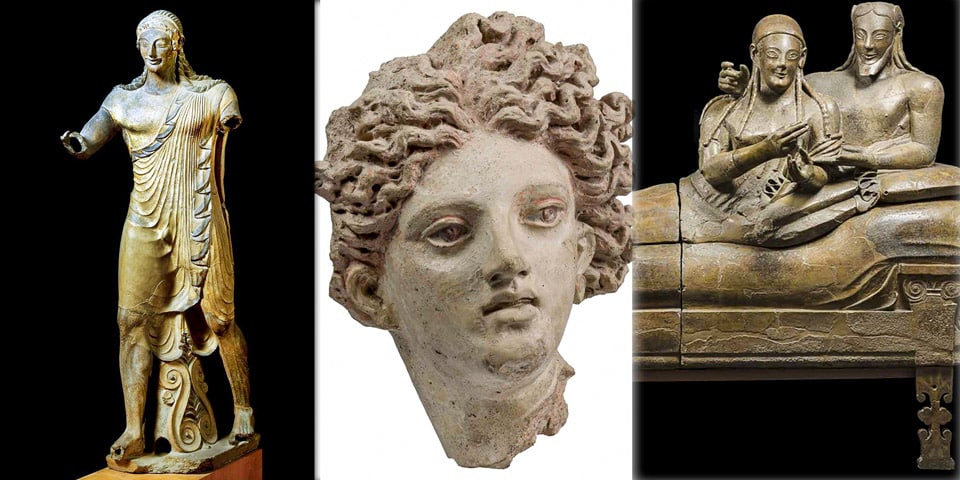
Located within Villa Giulia, the National Etruscan Museum offers a fascinating collection of material culture from a long-lost civilization. The museum’s strongest focus is on Etruscan funerary traditions. The villa itself once served as a summer residence for the popes.
We also recommend reading about the most beautiful villas and palaces in Rome.
Doria Pamphilj Gallery
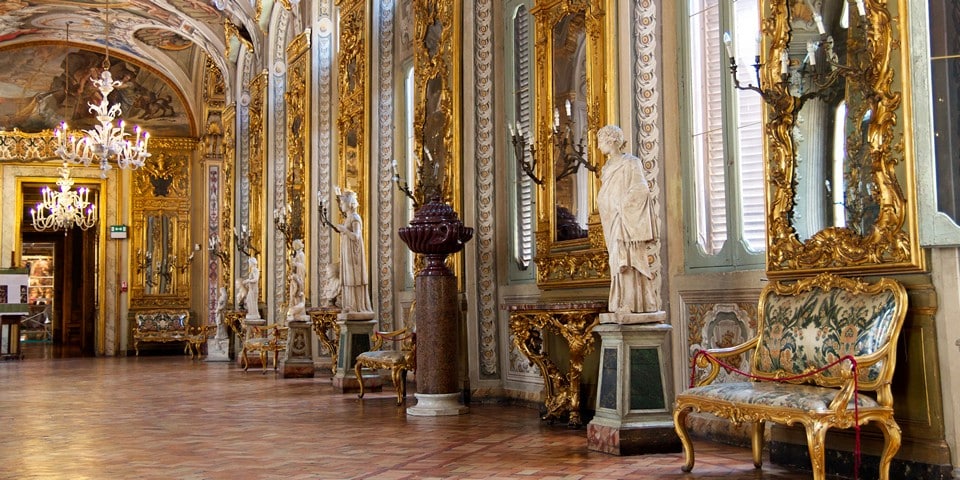
The Doria Pamphilj Gallery (Galleria Doria Pamphilj) is a private collection that houses an impressive array of artworks. Italian painting from the 17th century is especially well represented, with works by Raphael, Titian, and Caravaggio. The collection of marble reliefs by Duquesnoy is also particularly noteworthy.
Palazzo and Galleria Spada
The Spada Gallery (Palazzo e Galleria Spada), a 17th-century private collection, includes works by Titian, Guido Reni, Rubens, and other prominent Renaissance artists.
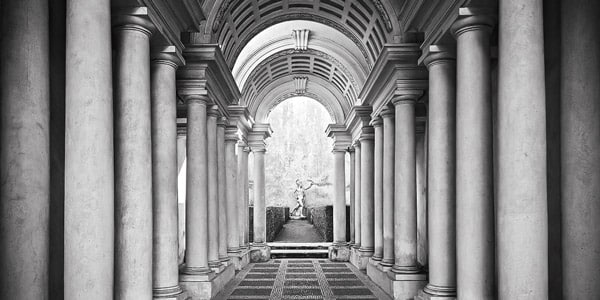
A unique highlight of the palace is Borromini’s Perspective, an illusion corridor that gradually narrows. A 24-inch (60 cm) statue of Mercury placed at the far end appears life-sized from the entrance.
National Gallery of Modern Art
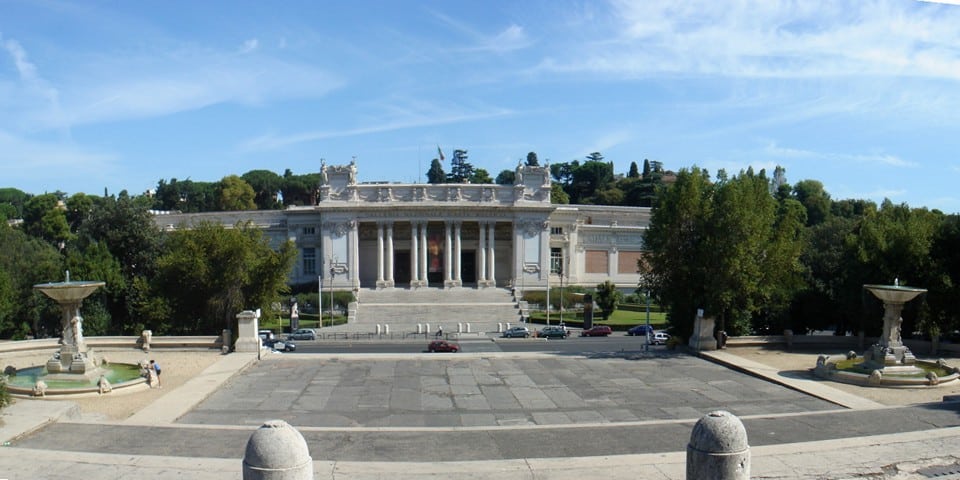
While Rome is rich in classical art, it also makes room for modern creativity. Near the famous Villa Borghese stands the National Gallery of Modern Art (Galleria Nazionale d’Arte Moderna), established in 1915. The museum has featured works by Italian Futurists and Realists, including Renato Guttuso, as well as 19th-century sculptures by Canova and Ximenes.
By the mid-20th century, the collection expanded to include international masters such as Monet, Van Gogh, Cézanne, and Picasso.
Municipal Gallery of Modern Art
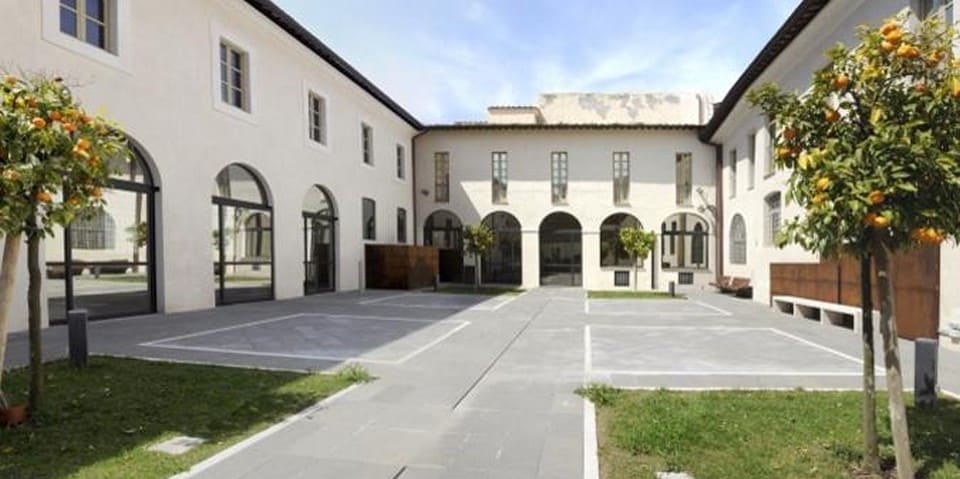
The Municipal Gallery of Modern Art (Galleria Comunale d’Arte Moderna) is housed in a former brewery, officially opened in 2002. It features works by leading artists of the contemporary Italian art scene.
The museum includes a library, bookshop, and a multi-level rooftop terrace with an open-air café.