 Italy for me From Italy with love

This Sunday, we visited a fascinating place called Villa dei Quintili, thanks to the Friends in Rome community, which organized the tour. Located on the outskirts of the city, the villa is not among the most popular attractions in Rome, but history enthusiasts are sure to love it.
At first glance, the site might not seem very remarkable, but it holds countless mysteries, as its history dates back to the second century AD. During the reign of Emperor Commodus, two consuls—brothers Condinus and Maximus Quintilius—built what we might now call an entertainment complex. It included a villa with thermal baths, a hippodrome, a park, and a theater, all set atop a hill offering a stunning view of Ancient Rome.
Page Contents
Strolling Through History
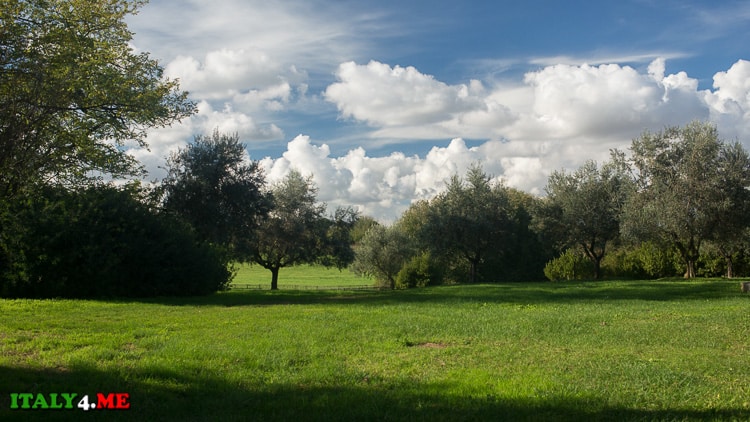
The villa was built near the Appian Way—the most important ancient road leading out of Rome. Laid down in 312 BC, it became the key route from Rome to Greece, Egypt, and Asia Minor. At that time, burial within city limits was prohibited by law, so countless tombs and catacombs line the Appian Way. It was along this quieter stretch, away from the city’s noise, that the Quintili brothers constructed their villa, renowned for its exceptional comfort and luxury.
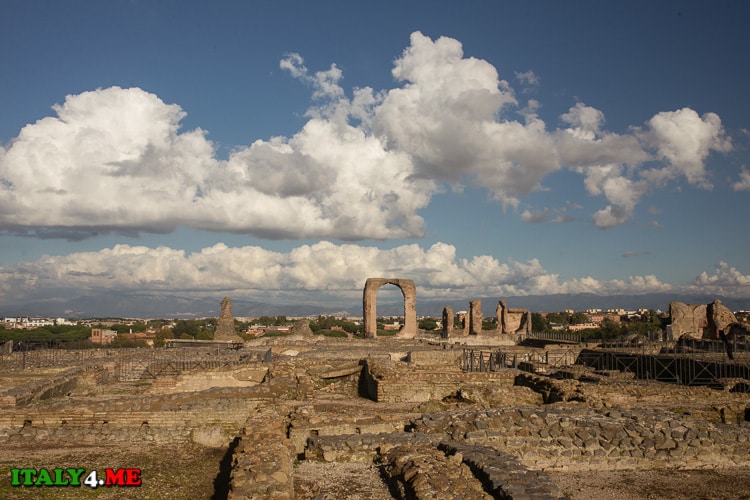
However, the brothers did not enjoy their splendid estate for long. They were soon executed for allegedly plotting against the emperor. Commodus, who lived in constant fear for his life and faced multiple assassination attempts, had an added motive: after their deaths, the villa became imperial property. Ironically, Commodus himself was eventually murdered by his mistress right here at the villa.
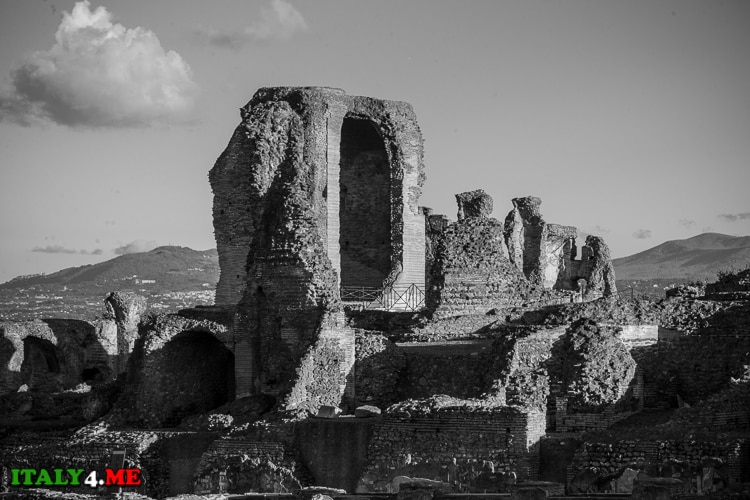
It turned out to be a warm, sunny day—remarkable for late November!
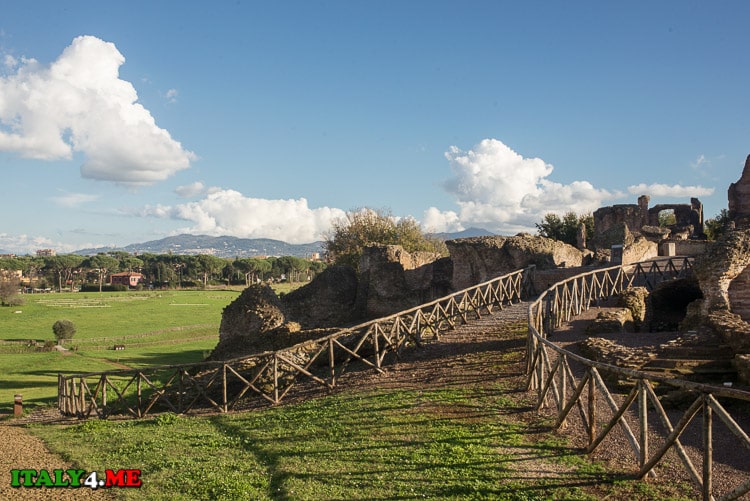
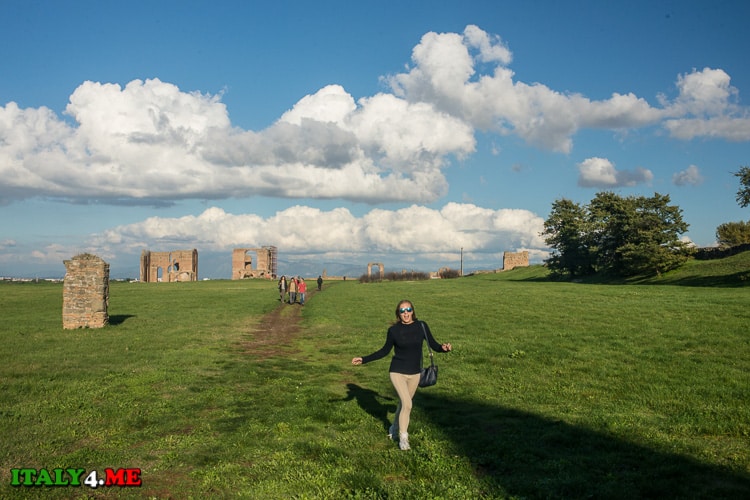
We enjoyed a two-hour walk among the ruins of this once-sumptuous villa. We climbed the hill and approached the main gate, which, back in the second century, was a true masterpiece. Clad in marble, it proudly welcomed guests to the villa with the soothing sound of water streaming down the walls.
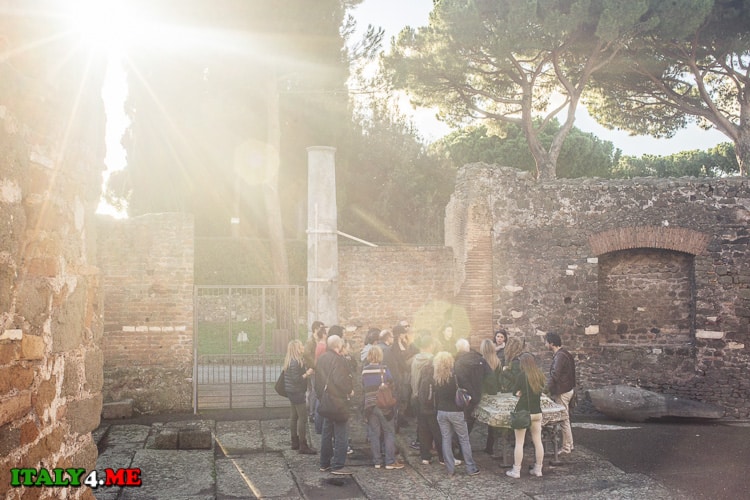
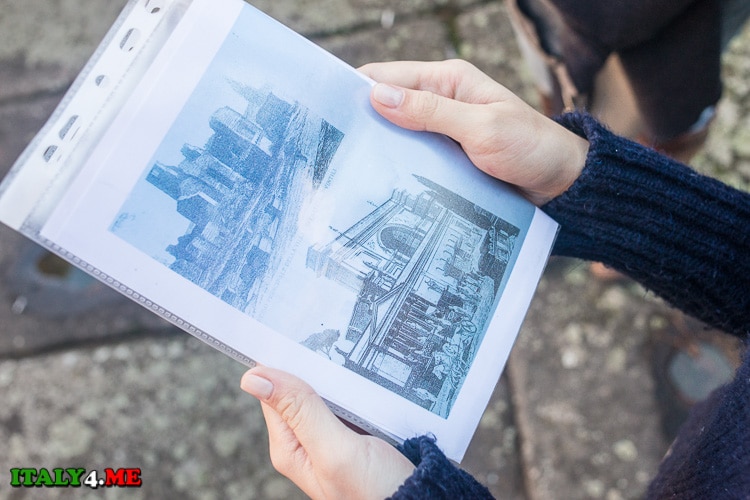
All the water first underwent purification in reservoirs like these before being channeled into the baths and pools via an aqueduct system. Just imagine the level of engineering ingenuity that existed back then!
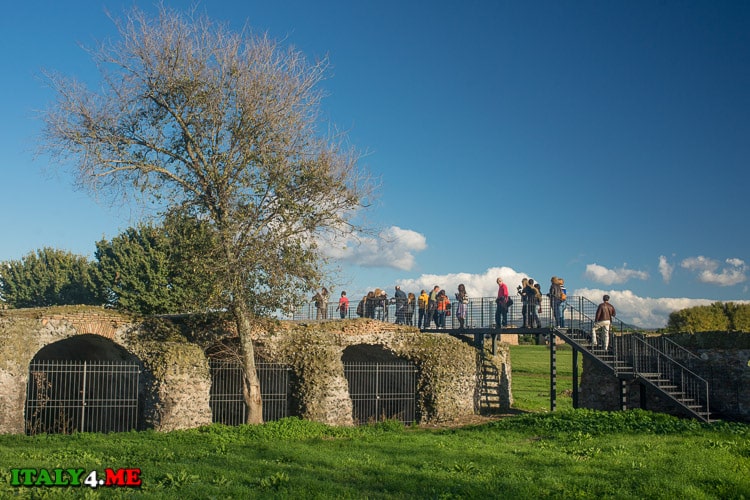
Beyond the reservoirs, in the southern part of the villa, lay the hippodrome, which remains hidden from visitors today. Excavations are set to begin soon. Archaeologists believe it could resemble the Circus Maximus (Circo Massimo) located in the heart of Rome.
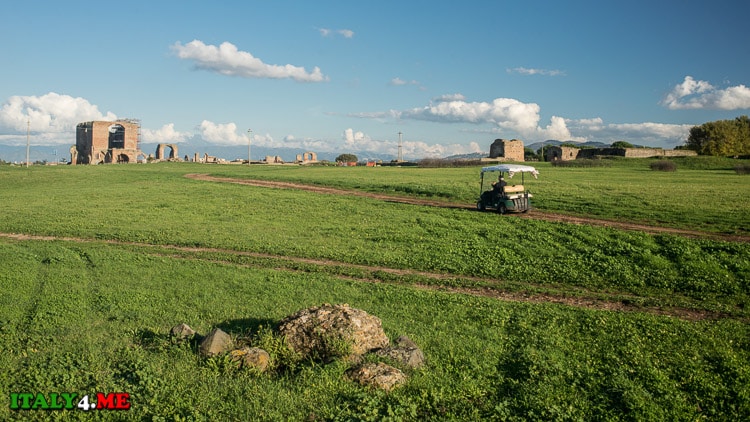
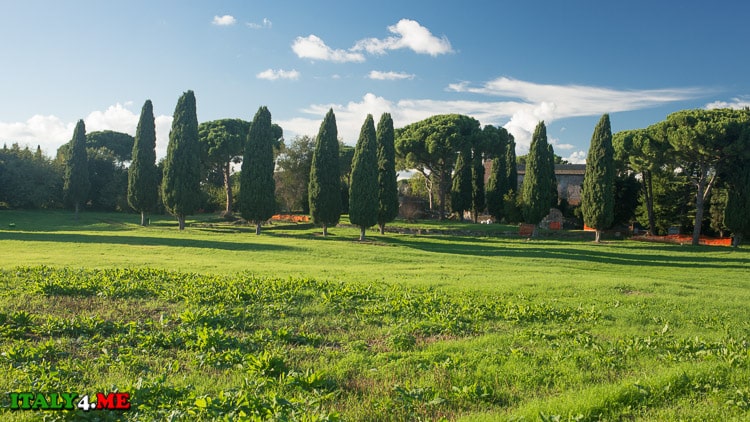
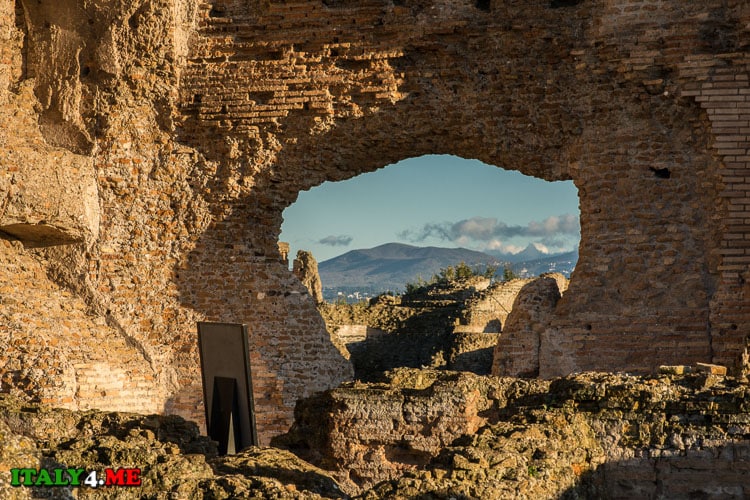
From here, there is a breathtaking view of the mountains.
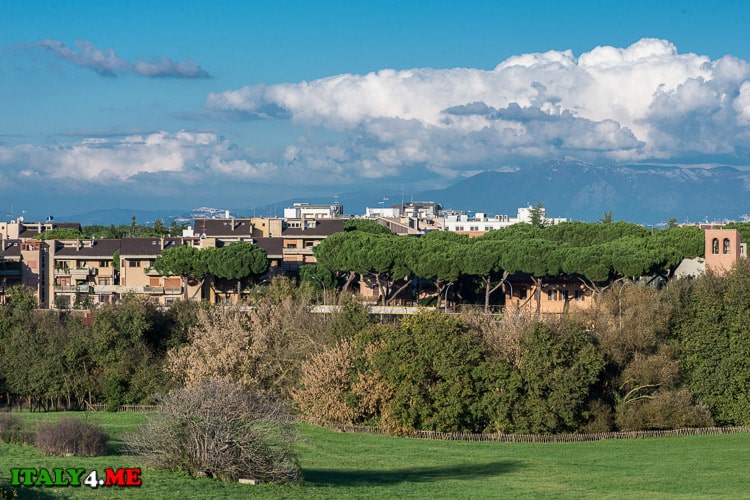
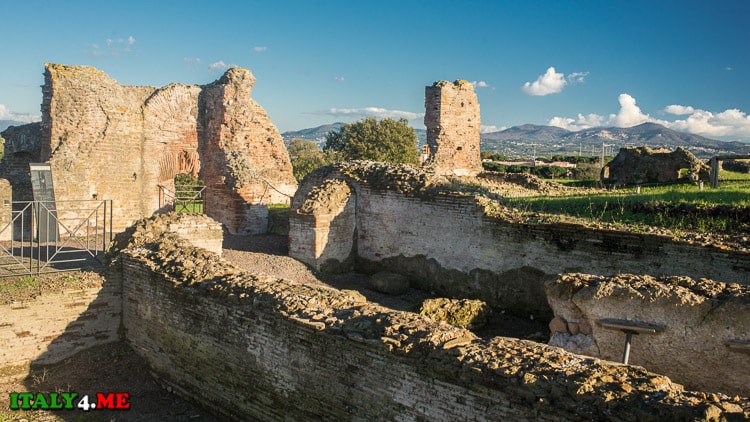
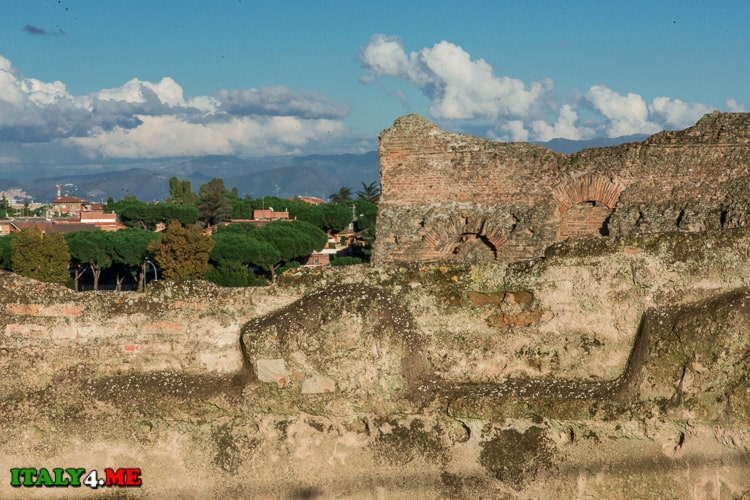
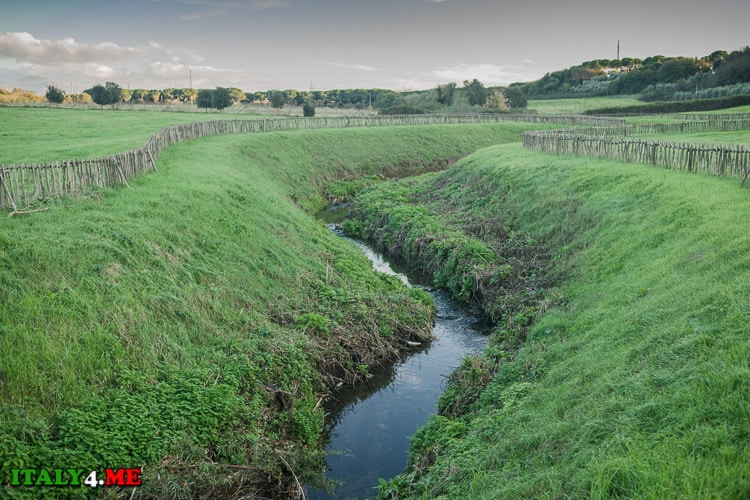
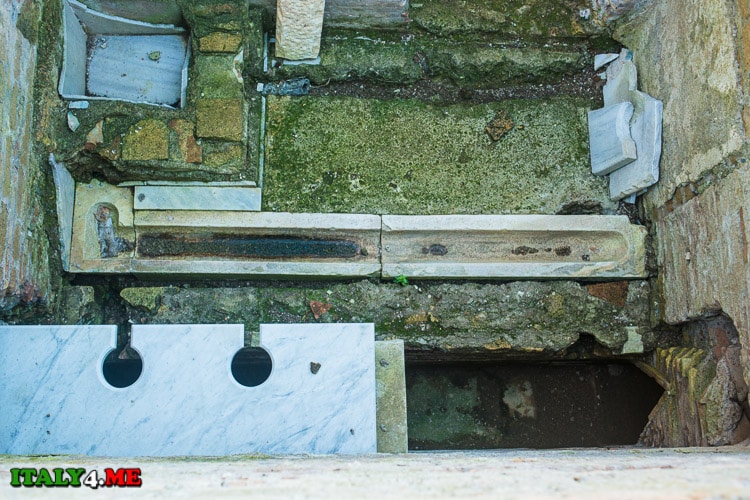
All the waste from the villa’s toilets flowed into this small river.
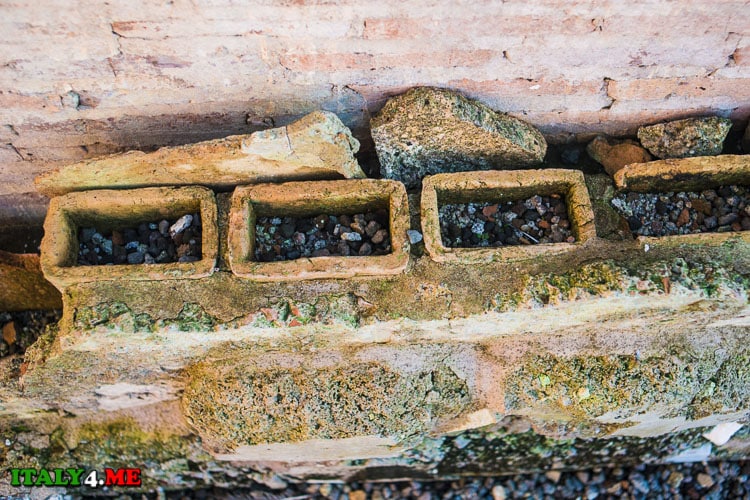
Now, we begin exploring the villa’s interior layout, where the main feature was the thermal baths—or SPA, as we might call it today. In a hall known as the Calidarium, high temperatures were consistently maintained thanks to a special heating system. Hollow pipes were installed along the walls, channeling hot steam throughout the space.
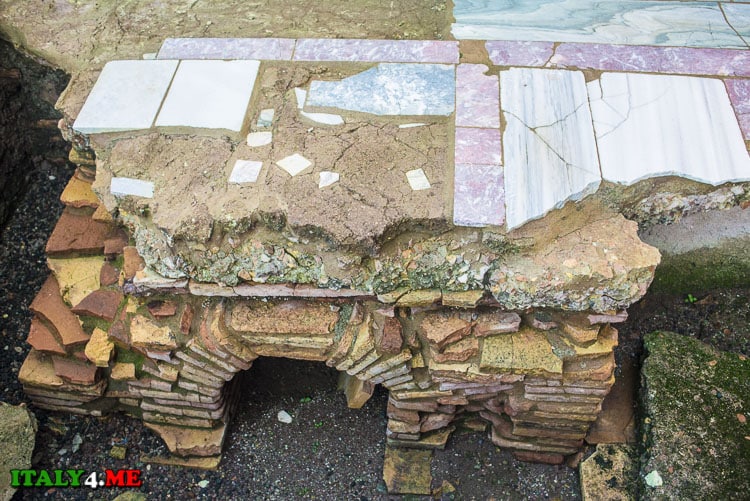
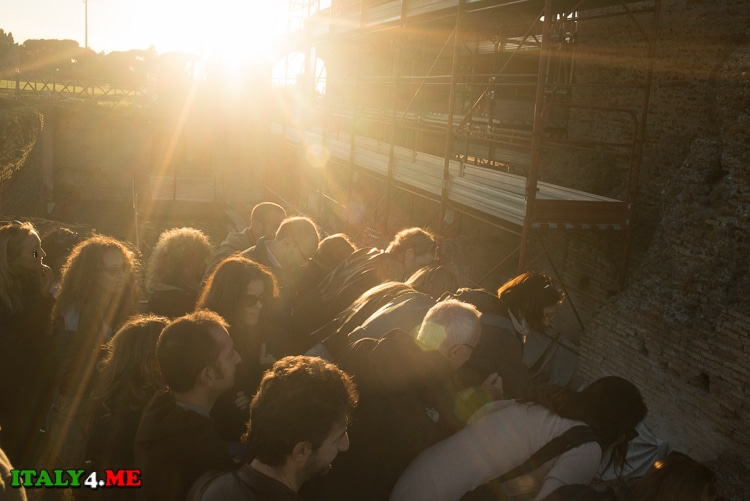
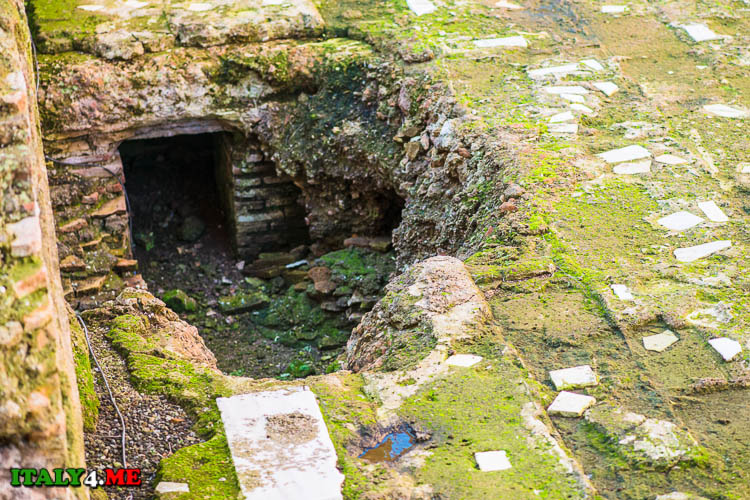
At all the key sites throughout the villa, QR codes are available. Lucky iPhone users can access detailed information for free.
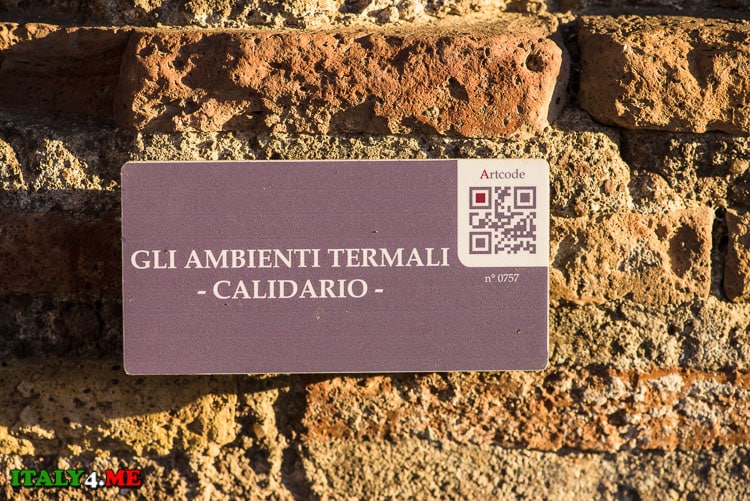
I was pleasantly surprised to find descriptions available in Russian. Even though this site isn’t one of the most popular tourist attractions in Rome, the Italian Ministry of Culture thoughtfully provided translations in Russian and about twenty other languages.
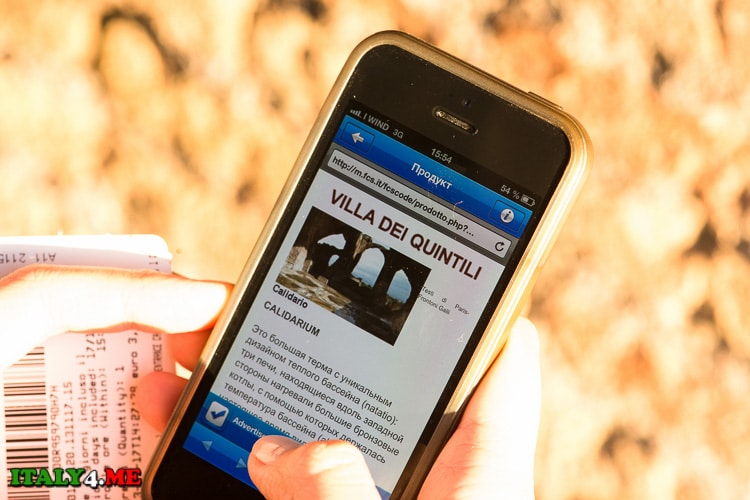
At the heart of the bath complex was a large pool. Warm water was supplied via three aqueducts. The walls and floors were lined with white marble, and visitors could gaze out large windows onto the surrounding nature.
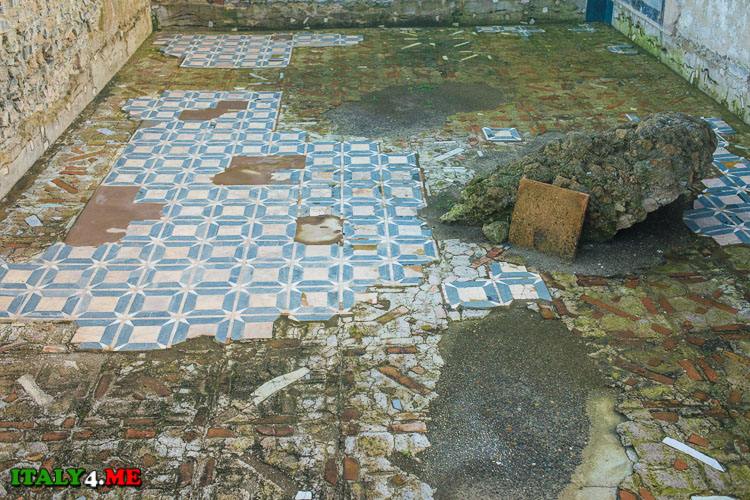
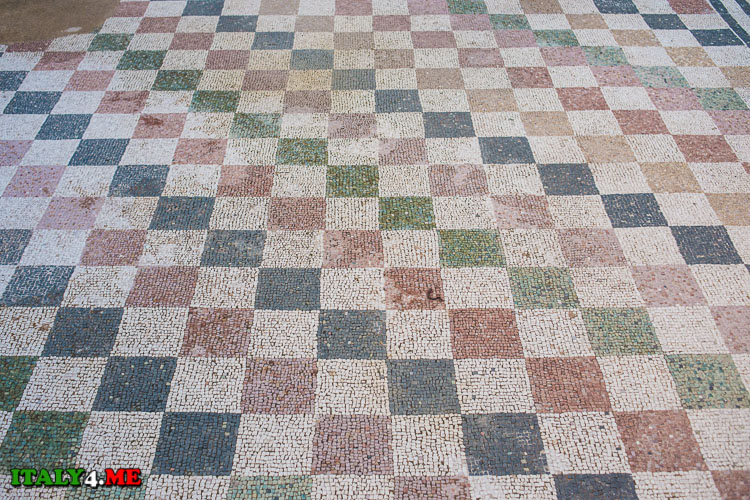
The entire complex was divided into public areas and private rooms, connected to the thermal baths by small corridors decorated with mosaics, many of which are remarkably well-preserved to this day.
Interestingly, the toilets were not part of the public amenities and were reserved exclusively for important guests.
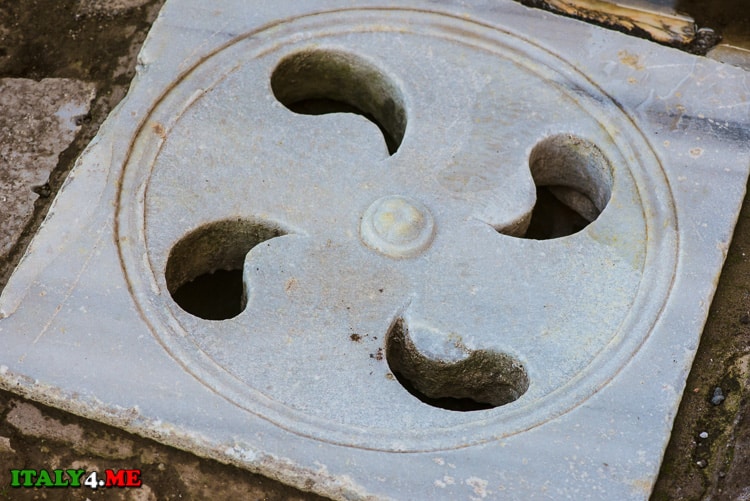
Next to the baths was an arena where Emperor Commodus hosted gladiator fights. Naturally, these events were not as spectacular as those in the Colosseum, since the gladiators usually battled weak, poorly armed slaves or harmless animals.
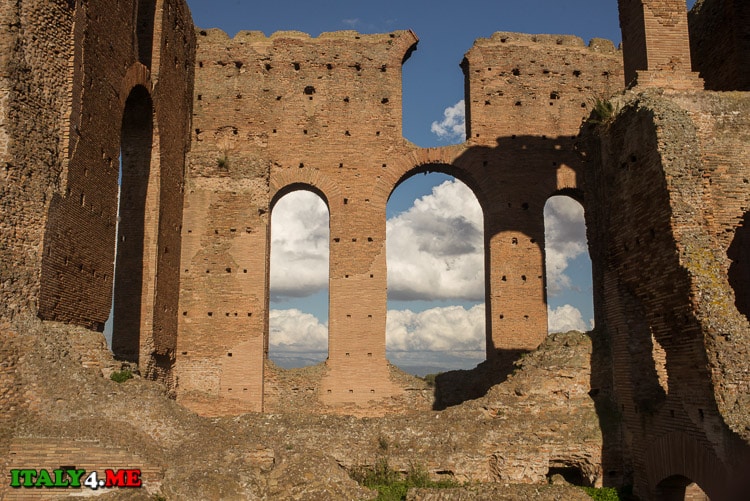
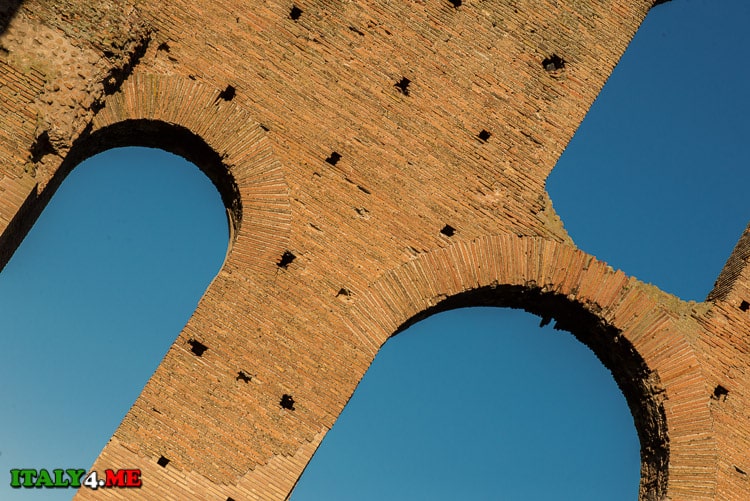
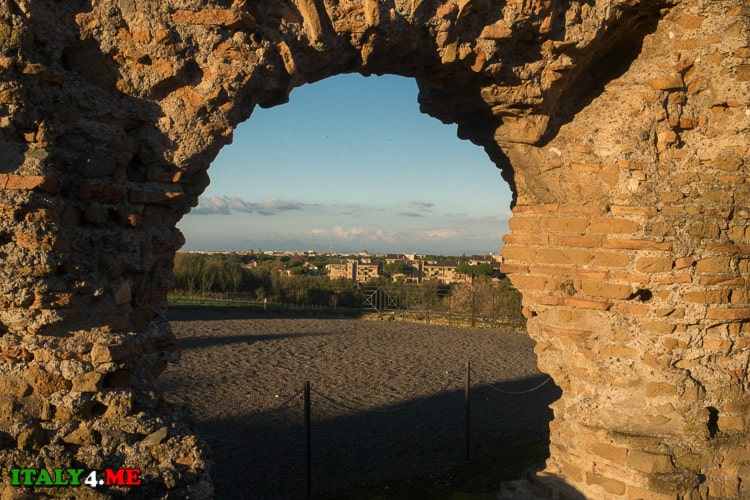
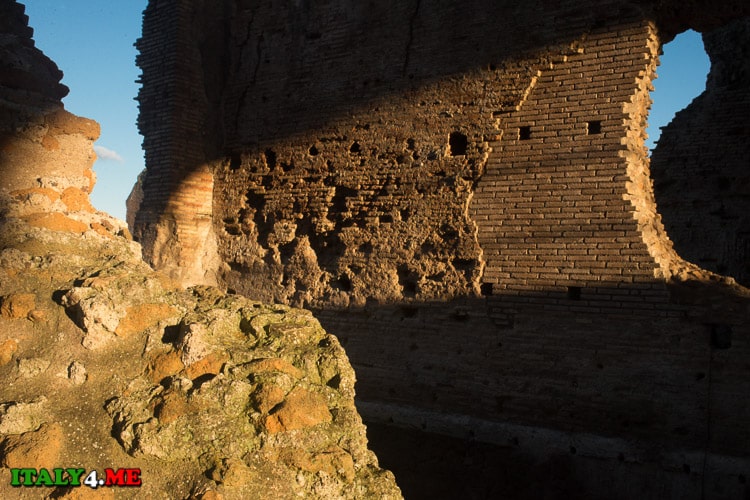
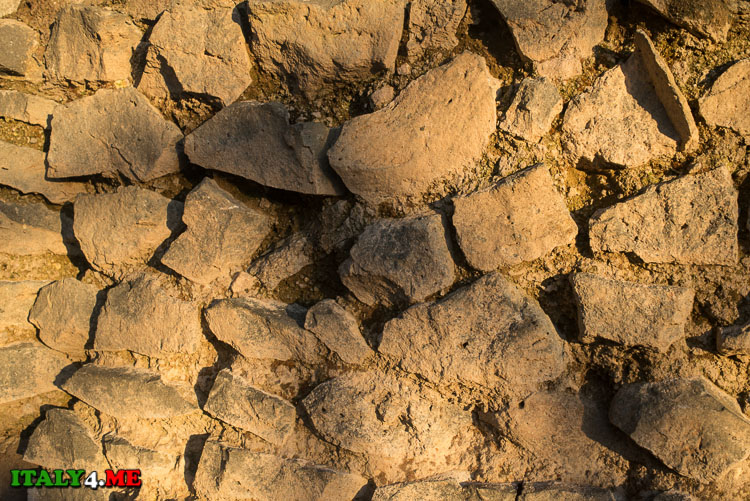
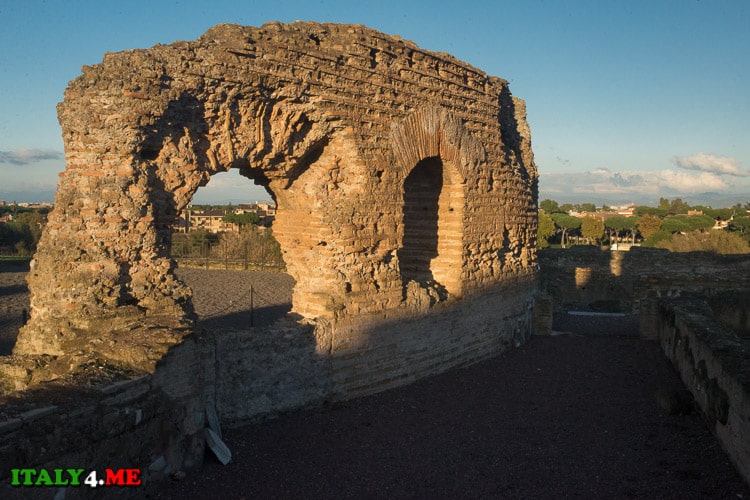
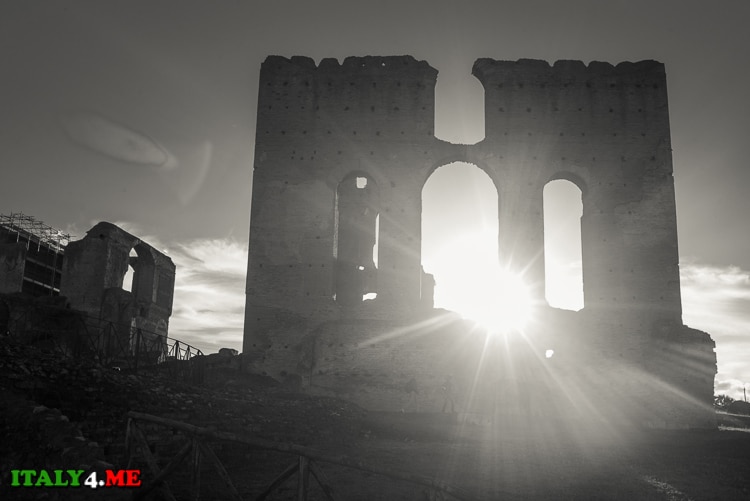
Today, it may all appear like random ruins, but just imagine it in its original splendor—white and colored marble, stained glass windows, ornate stucco, intricate mosaics, and tiled floors.
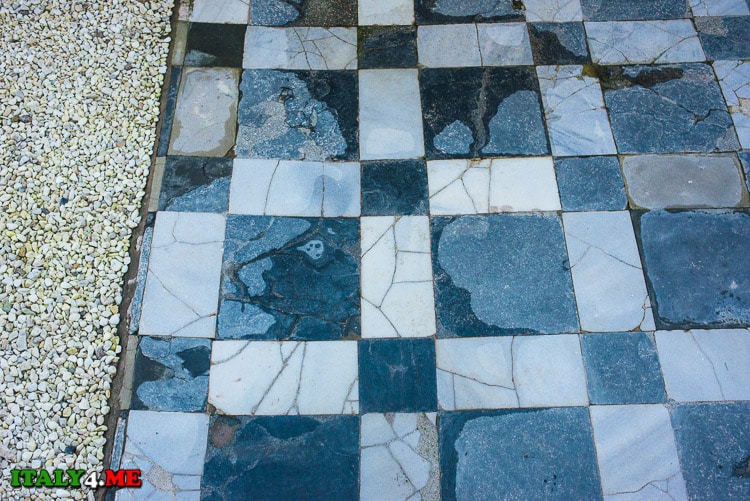
Excavations and restoration efforts continue to this day.
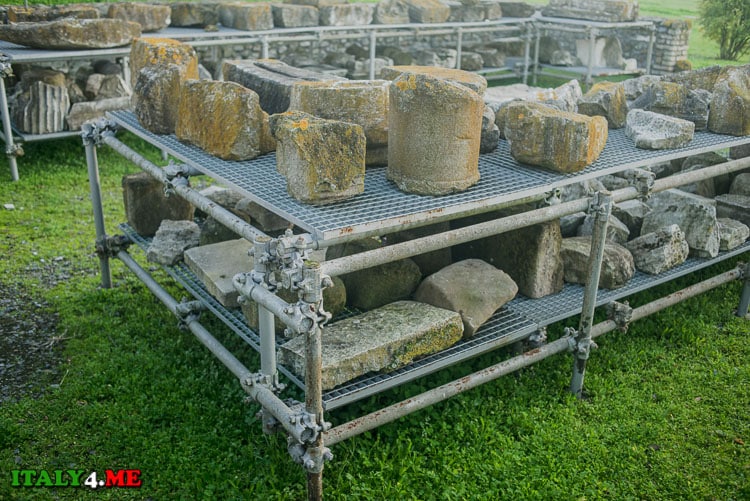
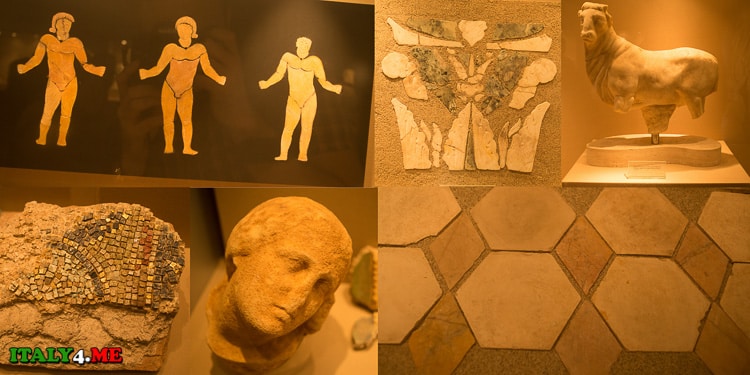
In the final five minutes before closing, we managed to visit the small museum showcasing fragments of statues and monuments. The largest and most valuable finds from the villa have been transferred to the Vatican Museums, but there are still some fascinating pieces on display here.
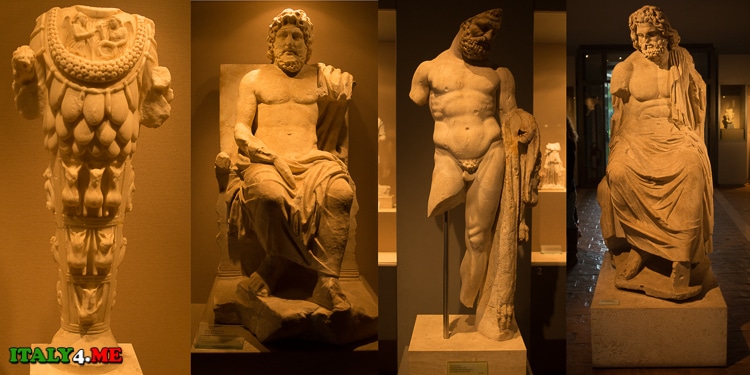
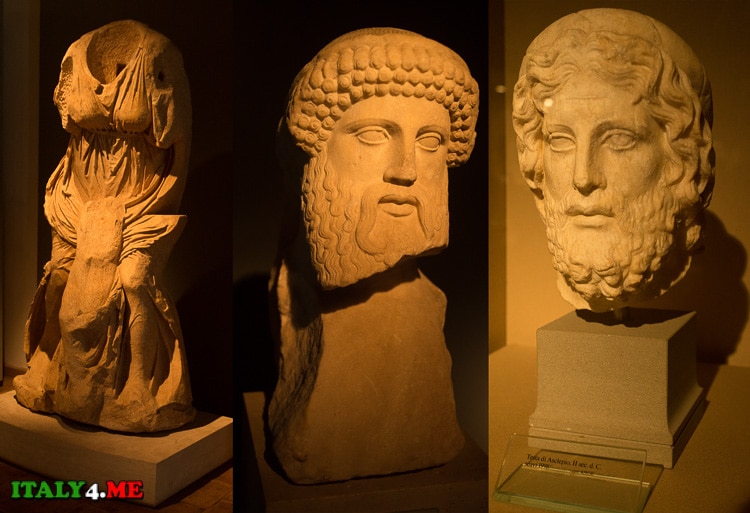
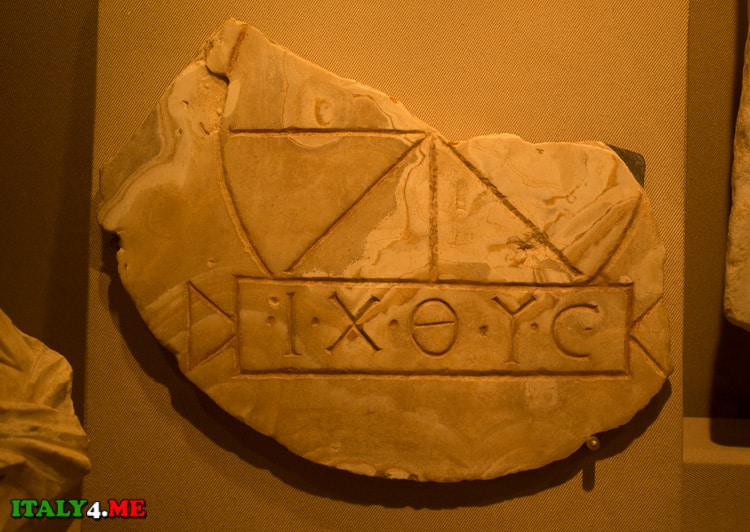
For instance, this symbol is an ancient Christian sign. I had seen the same symbol in the ancient Greek city of Ephesus. During times of persecution, it served as a secret mark, indicating that Christians lived in a house. The discovery of this symbol led archaeologists to another theory explaining the execution of the Quintili brothers.
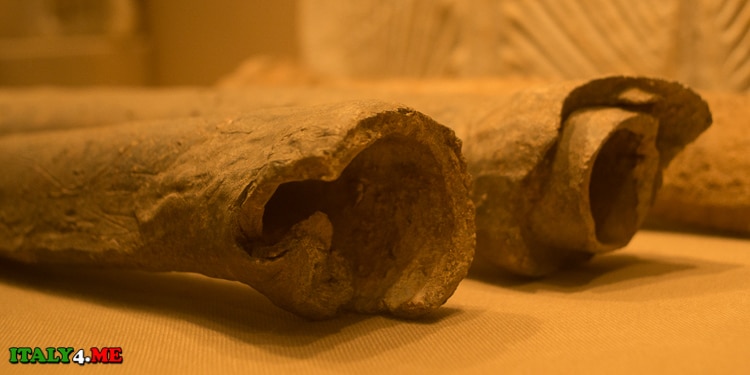
Here is a sample of a water pipe from the late second century, part of the villa’s water supply system. Earlier pipes bore the names of the Quintili brothers, providing archaeologists with evidence that the villa originally belonged to them.
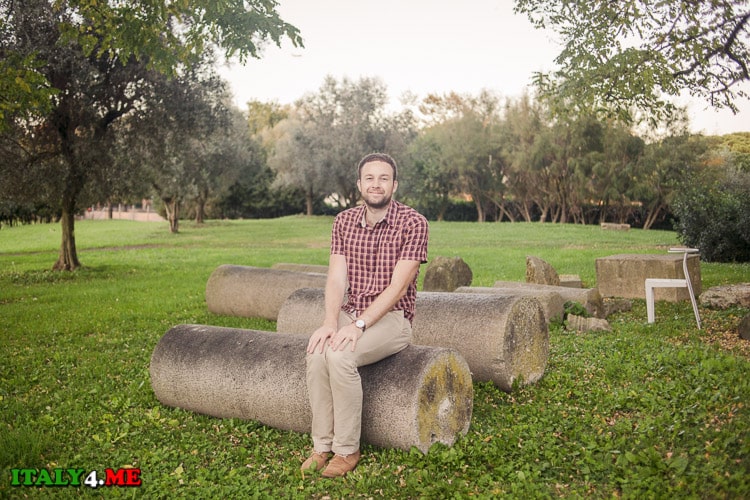
Thus ended our fascinating tour. Many thanks to Friends in Rome for such an enlightening experience!
All the photos from this tour were taken by my husband, who is also a photographer in Rome, Artur Jakucewicz.
Practical Information: Address, How to Get There, Tickets, Prices
- Address: Via Appia Nuova, 1092. The journey from central Rome to Villa dei Quintili will take about an hour.
- Take the metro to the Colli Albani station on Line A, then board bus number 664 towards COSOLETO and get off at the APPIA/SQUILLACE stop. In Rome, buses stop only on request. Since even locals sometimes find it challenging to navigate, it’s best to ask for assistance or, even better, inform the driver of your destination when boarding.
- Ticket prices: €8 for adults, €2 for students, €4 for Roma Pass holders. The ticket is valid for one week and also grants access to the Baths of Caracalla (Terme di Caracalla) and the Mausoleum of Cecilia Metella (Mausoleo di Cecilia Metella).
- More information on the official website: www.parcoarcheologicoappiaantica.it