 Italy for me From Italy with love


The day after visiting the main Ferrari Museum in Maranello, we headed to the newly opened Enzo Ferrari House Museum (Museo Casa Enzo Ferrari) in Modena.
Our Italian friend Eugenio Zanetti and his wife Natalia, a private tour organizer in the Emilia-Romagna region, invited us on this journey through Italy’s top car museums. Unlike the main Ferrari Museum, the exhibitions here change every few months. You’ll find rare vehicles and exhibits all linked to the brand’s legacy.
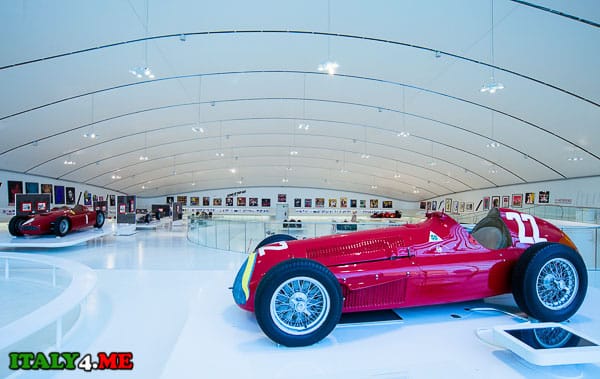
Though I don’t dream about sports cars, like most guys I can’t resist a beautiful machine. Even my wife was fascinated to dive into the thrilling world of racing history.
Page Contents
The House
The visit begins inside the house where the legendary Enzo worked.
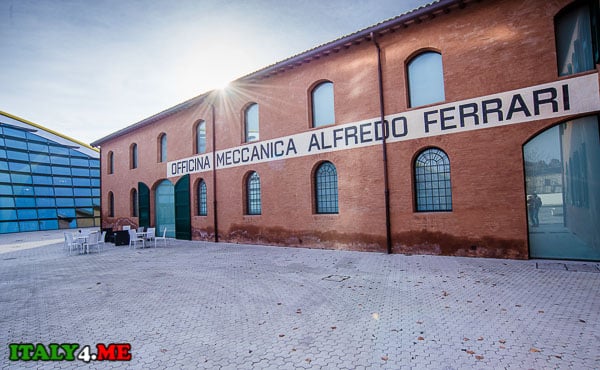
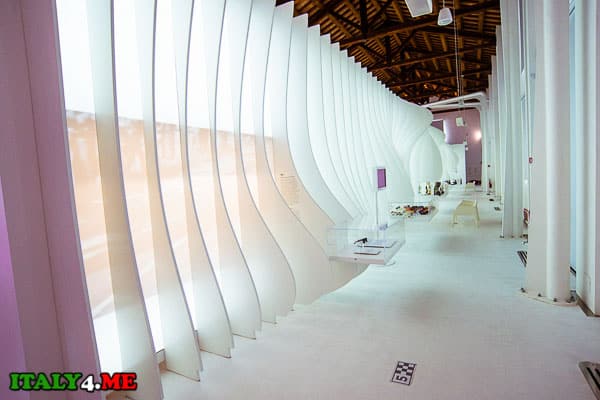
Inside, everything reflects a sleek high-tech style. But Enzo’s office remains just as it was. With the audio guide included in your ticket, you can explore the interactive displays and exhibits detailing the brand’s history.
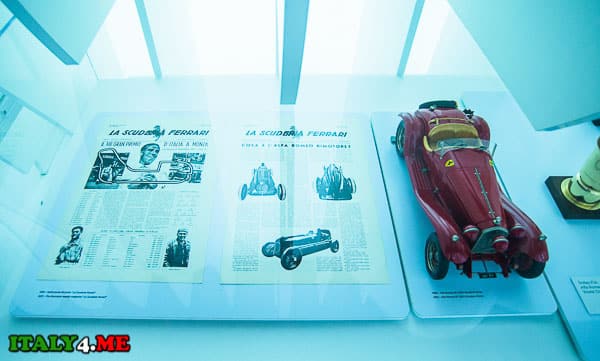
A 1932 Ferrari and glowing headlines from newspapers of the era.
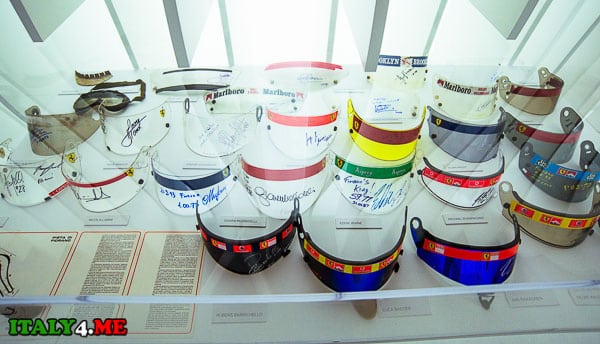
Sun visors signed by racing legends.
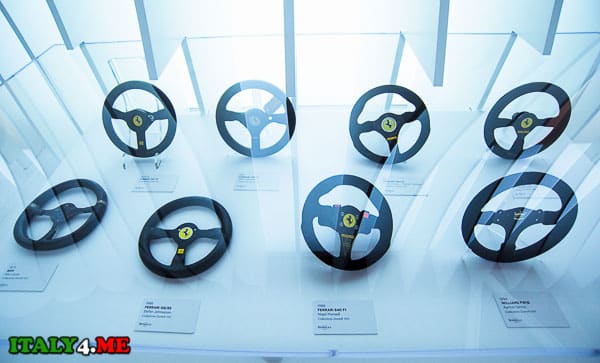
Ferrari steering wheels worth more than a compact car.
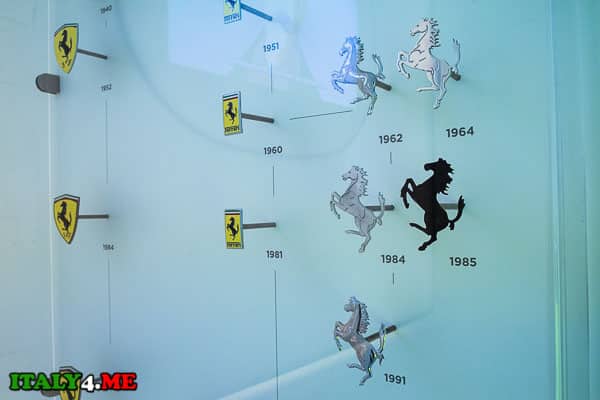
This panel showcases how the iconic Ferrari prancing horse evolved over time.
In 1963, Enzo Ferrari disrupted the industry by rejecting a takeover offer from Henry Ford II—a bold move worthy of a motorsport icon.
The main sticking point? Enzo was happy to let Ford handle production, but he wanted to maintain control of racing operations. The Americans, confident in their leverage, left him no real choice and pushed to finalize the deal. Due to irreconcilable differences, the contract was never signed—thankfully for us. It’s hard to imagine the world’s most iconic sports cars under Ford’s control.
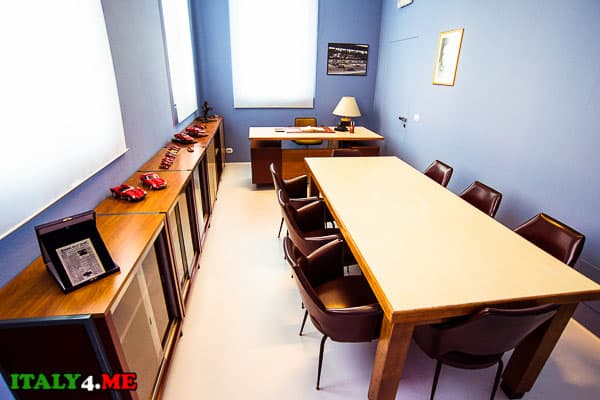
Here’s the chief designer’s office, preserved just as it was.
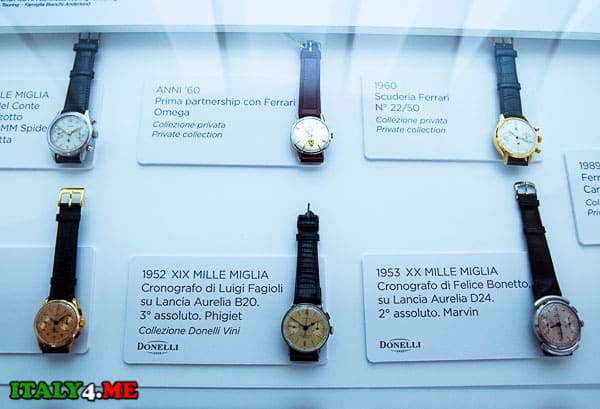
A display of collectible watches produced under the Ferrari brand. Today, these watches can cost as much as a Ferrari—or even more. What would you choose: speed or precision?
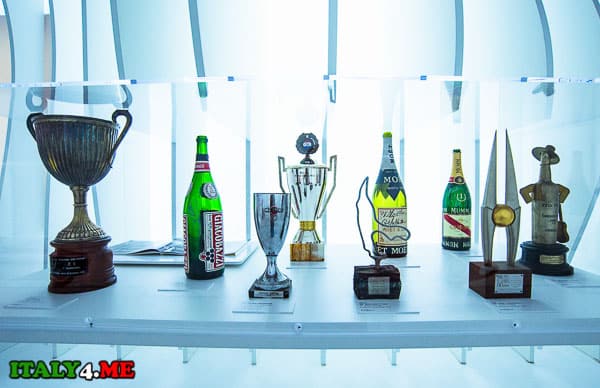
Just a glimpse of the many trophies the company has won since the mid-20th century.
Cars
After wrapping up the historical and educational part of the museum, we moved on to the modern section. As mentioned earlier, this space features rotating exhibitions of cars tied to Ferrari’s legacy and motorsport history.
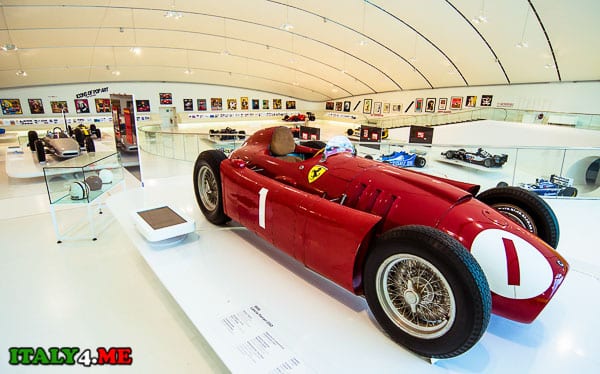
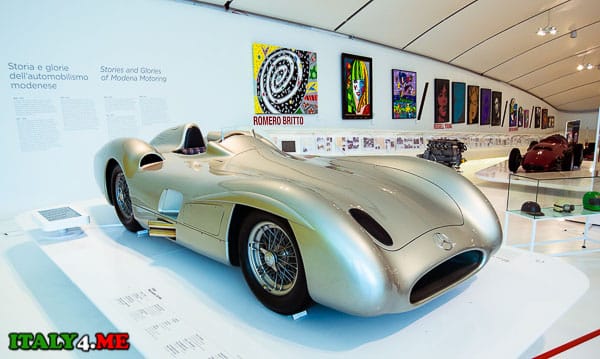
The museum’s oval interior perfectly complements the sleek, curving lines of the vehicles on display.
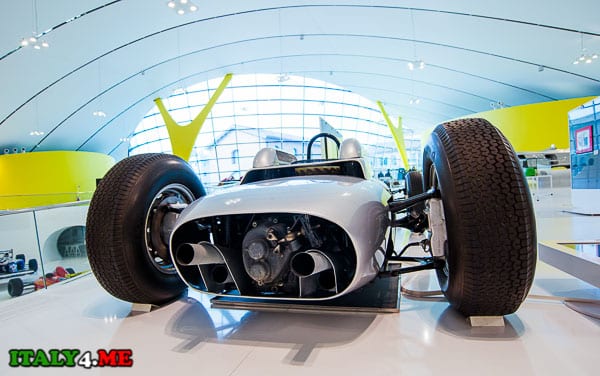
In my opinion, designers of the past were far bolder. These single-seaters may only fit one person, but the lines are unforgettable!
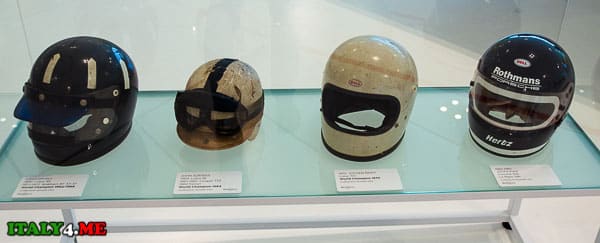
A collection of racing helmets reveals the evolution of this essential gear through the decades.
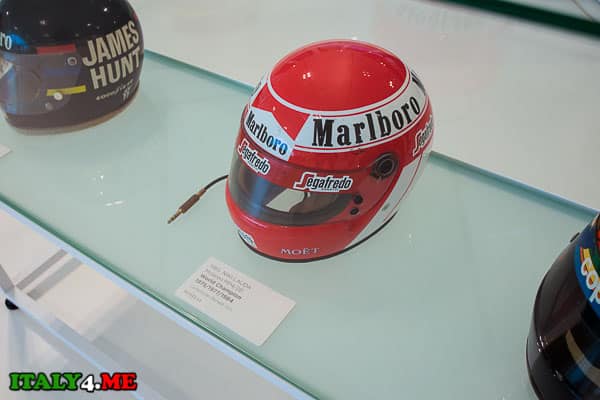
Here’s the helmet worn by three-time Formula 1 world champion Niki Lauda (1975, 1977, 1984) at the 1985 Grand Prix with McLaren.
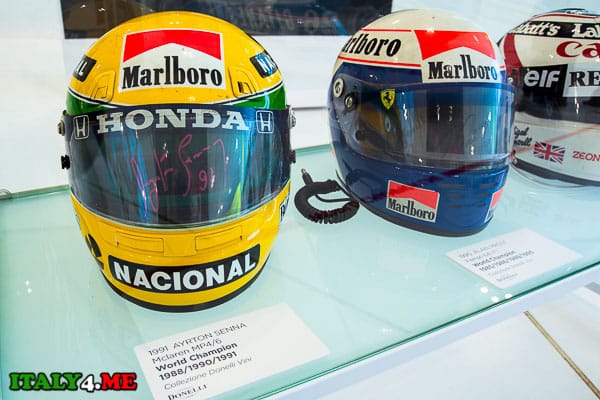
Also featured is the helmet of the legendary Ayrton Senna—my childhood idol. Senna, a three-time world champion in 1988, 1990, and 1991, tragically died in a crash during the San Marino Grand Prix at Imola in 1994.
During our visit, the museum also hosted the “ICONS OF POP ART” exhibition, featuring works by famous artists like Andy Warhol, Roy Lichtenstein, Romero Britto, Steve Kaufman, Burton Morris, and Russell Young.
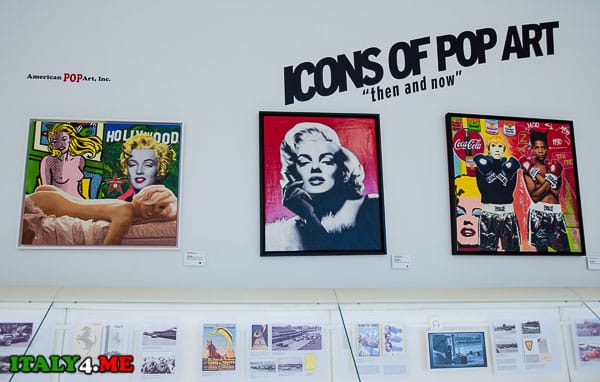
Each painting and car on display includes a brief description and backstory in both Italian and English.
Natalia helped us with translations, and Eugenio—an enthusiastic patriot of Italy—added fascinating historical context. We’ll highlight a few of the most memorable exhibits below.
Cooper BRM T86B
In the late 1950s, Cooper sparked a small revolution in Formula 1. With Jack Brabham behind the wheel, the team claimed back-to-back world championships in 1959 and 1960 thanks to their innovative rear-engine layout. One of the keys to Cooper’s success was the tight-knit collaboration among team members at their modest workshop in Surbiton, South London.
Jack Brabham had tremendous technical skill—in fact, he would go on to race Grand Prix cars of his own design.
He worked closely with team owner John Cooper to fine-tune the suspension system, ensuring the cars could adapt to any circuit or weather condition. Known for their simplicity and drivability, Cooper cars quickly gained a stellar reputation in the paddock. With no major factory distractions, the team focused entirely on Formula 1, leading to what would become Cooper’s golden era.
The 1968 Cooper BRM T86B shown below, equipped with a 375-horsepower V12 engine, was the company’s final entry in Formula 1.
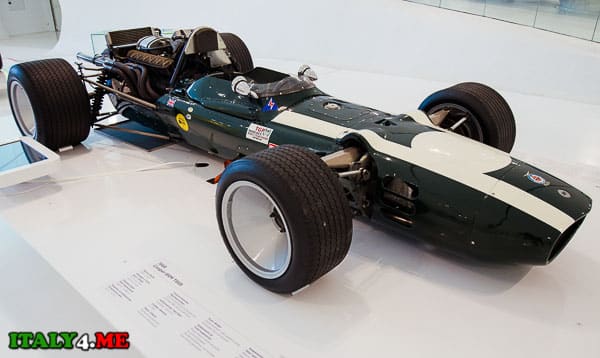
A lack of results and dwindling customer interest pushed the company into financial trouble. In 1969, Cooper decided to exit Formula 1 and focus on road car production, selling off its racing division—a move that marked the end of an era, but left behind a rich legacy still influential in motorsports today.
Maserati 250F
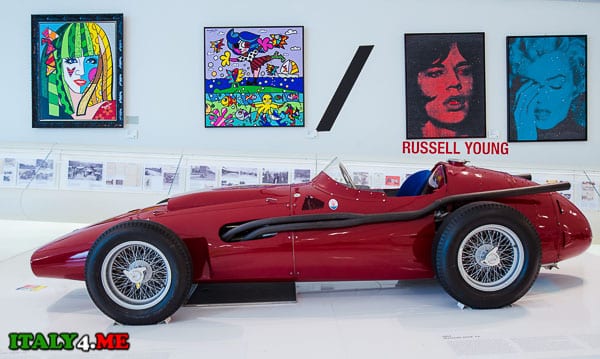
For the 1957 World Championship season, Maserati signed three top drivers—Jean Marie Behra, Harry Schell, and Carlos Menditeguy—and prepared three brand-new Maserati 250F cars. The debut of the model was a resounding success, with Maserati sweeping the podium at the 1957 Argentine Grand Prix. That same year, they introduced the advanced Maserati 250F T2.
Designed by Giulio Alfieri over the course of two years, the car was first tested by legendary driver Juan Manuel Fangio at the Modena circuit.
The T2 model represented a bold step forward with its powerful 310-horsepower V12 engine. However, during early testing, carburetor issues arose. Fangio sat out the Grand Prix in Syracuse, and Jean Behra was also forced to withdraw from the Italian Grand Prix. Maserati’s withdrawal from these races halted the development of the 250F T2, leaving it a fascinating “what could have been” in racing history.
Cooper Maserati T81
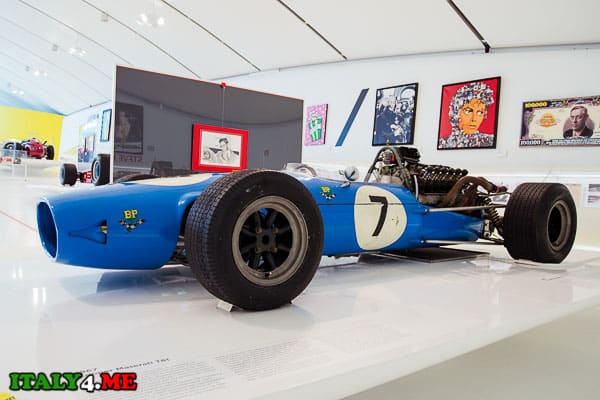
In 1966, in pursuit of success in Formula 1, Maserati partnered with the famed British engine manufacturer Cooper. Their new car, the Cooper Maserati T81, was delivered to the Swiss racing team Scuderia Filipinetti. However, its debut at the Syracuse Grand Prix in 1966 was marred by technical issues.
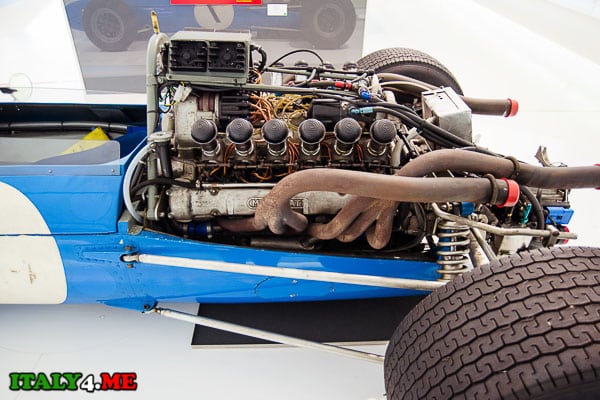
French driver Guy Ligier, representing Scuderia Filipinetti, failed to qualify. After this disappointing performance, all cars were upgraded with reinforced front suspensions—a change that paid off at the Mexican Grand Prix, where the team finally saw success.
Ferrari 312 T4
In 1979, Ferrari unveiled the 312 T4, which debuted at the South African Grand Prix on the Kyalami Circuit. The car claimed a 1-2 finish for the team, led by Canadian driver Joseph Gilles Henri Villeneuve—Enzo Ferrari’s beloved star—and his teammate Jody David Scheckter.
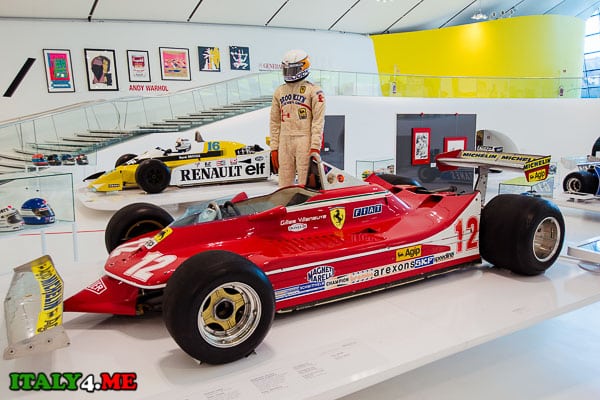
Villeneuve crossed the finish line just ahead of Scheckter, becoming the team’s top hope—and reinforced that promise with another strong performance in Long Beach.
However, the wins in Belgium and Monaco went to Scheckter. The French Grand Prix at Dijon-Prenois became a legendary chapter in Formula 1, thanks to an unforgettable duel between Villeneuve in his Ferrari and René Arnoux in a Renault.
The fierce battle began on lap 45, when Villeneuve also contended with Jean-Pierre Jabouille. Though Jabouille ultimately won, marking a historic victory for Renault, all eyes were on the exhilarating wheel-to-wheel clash between Villeneuve and Arnoux. Villeneuve edged ahead by just 0.24 seconds to take second place. Despite the heroics, Scheckter’s consistency prevailed—he was crowned champion, while Villeneuve finished runner-up.
And so it happened that Jody Scheckter became the last driver Enzo Ferrari personally congratulated on a world championship title.
Minardi PS04B
The Minardi PS04B was developed for the 2004 Formula 1 season. For the first time in two years, the team scored a championship point, thanks to Zsolt Baumgartner’s eighth-place finish at the United States Grand Prix.
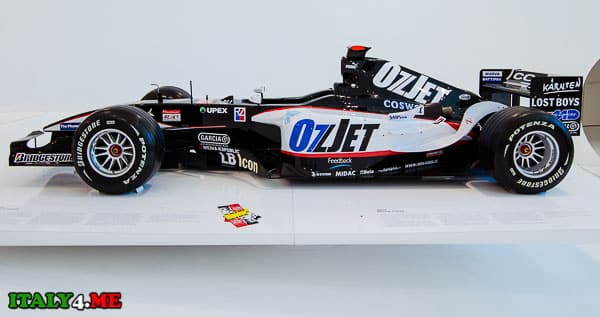
At first glance, this car appears nearly identical to its 2003 predecessor, the PS03—but a closer look reveals major aerodynamic improvements.
The team also enhanced the vehicle’s electronics. With the support of Magneti Marelli, they upgraded the onboard computer and optimized systems for engine control, transmission, and clutch. These refinements helped the PS04B achieve respectable performance in 2004, and the car also appeared in a few races in the 2005 season. Today, it enjoys a place of honor in the Ferrari Museum.
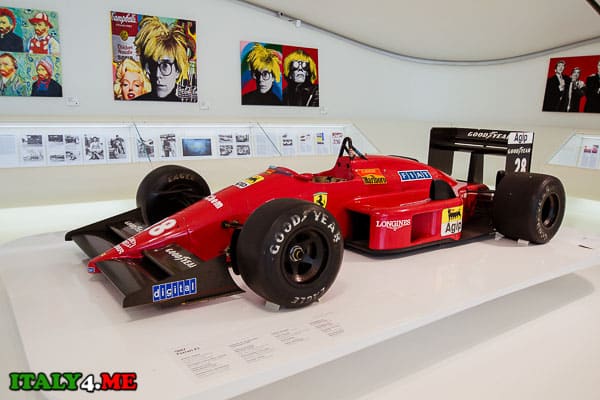
Ferrari F1-89
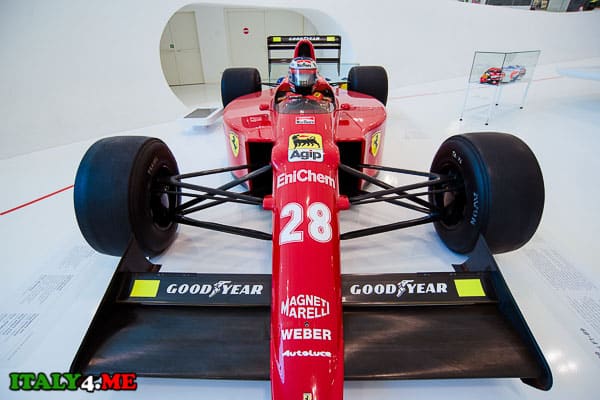
The Ferrari F1-89 was the most anticipated project of John Barnard, the English race car designer who revolutionized automotive engineering by introducing the seven-speed gearbox with an electro-hydraulic shifting system.
This innovation was later adopted by every Formula 1 team. Initially, the Ferrari F1-89 was meant to rescue the team, which had been struggling for several years without podium finishes.
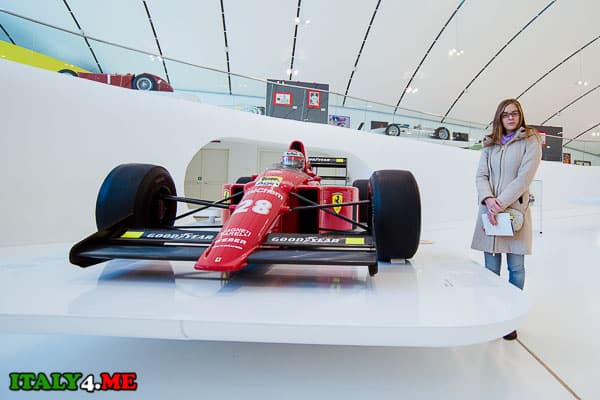
At first, the team was cautious about the new technology and had modest expectations.
But to everyone’s surprise, Nigel Mansell won first place at the Brazilian Grand Prix.
However, at the next race in Imola for the San Marino Grand Prix, McLaren once again dominated Ferrari. Later that season, at Monza, Alain Prost transitioned from McLaren to Ferrari and secured a victory. Ferrari also won the Hungarian and Portuguese Grands Prix.
Mercedes W196
In 1954, Mercedes stunned the world with their new streamlined body design for the W196. It wasn’t until 1959 that the International Sporting Committee banned such bodywork designs.
After a 15-year absence, Mercedes returned to motorsport with renewed energy, enlisting Juan Manuel Fangio as their lead driver alongside Karl Kling and Hermann Lang. They debuted the W196 at the French Grand Prix at Reims-Gueux, a circuit ideal for the car’s long, fast straights.
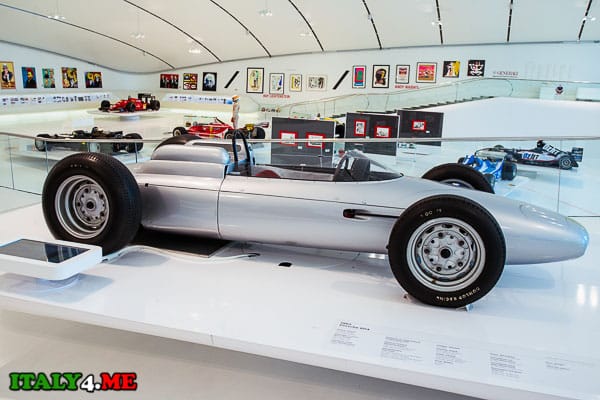
Mercedes clinched first and second places with Fangio and Kling. For Italian teams like Alfa Romeo, Maserati, and Ferrari, this marked their first major defeat in three decades.
On home turf, the German Silver Arrows continued to dominate, with Fangio keeping Ferrari at a considerable distance.
At the Swiss Grand Prix, Fangio again outpaced José Froilán González by over a minute. Although Mercedes finished third at the season’s final race in Spain, Fangio secured the world championship.
Tecno Goral E731
Founded in 1962 by the Pederzani brothers, Tecno rose rapidly from kart manufacturing to producing Formula 2 cars. In 1972, they debuted in Formula 1 with a new V12 engine.
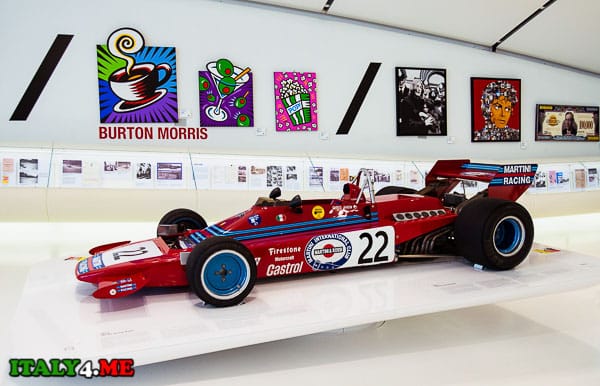
However, the challenge of Formula 1 proved overwhelming, and Tecno drivers struggled to make an impact. In 1973, they introduced the Tecno Goral E731 and brought in experienced New Zealander Chris Amon. Yet, disputes with sponsors led Tecno to abandon Formula 1, and the E731 competed in only four races.
Opening Hours and Ticket Prices
- The Enzo Ferrari Museum is open from 9:30 AM to 6:00 PM (October to April) and from 9:30 AM to 7:00 PM (May to September), year-round except December 24–25 and January 1.
- Adult admission starts at €27.
How to Get There
The museum is located in Modena at Via Paolo Ferrari, 85, 41121 Modena MO, Italy.
From Modena Centrale Train Station (less than 1 km)
- By bus: Lines 1, 3, 9. Get off at the second stop Caduti on Guerra Street; cross the road and walk straight to the end of Muzzioli Street, turn right, then left onto Soli Street.
- On foot: After exiting the train station, turn left and walk straight along Crispi Street until you reach the intersection. After crossing, turn left onto Mazzoni Street and walk until you reach Paolo Ferrari Street. Alternatively, head straight to Natale Bruni Square. At the first intersection, turn left onto Malagoli Street and continue until you see Paolo Ferrari Street on your right.
From Modena Bus Station (about 2 km)
- By bus: Lines 1, 9, 760. Get off at the first stop after the train station, Caduti on Guerra Street. Cross to Natale Bruni Square, continue along Piave Street, then turn left onto Mazzoni Street, and find Paolo Ferrari Street on your right.
- On foot: Exit the bus station and turn right onto Monte Kosica Street (toward the train station). Walk straight for about 1 km to the second roundabout. Cross it and proceed along Piave Street. Turn left onto Mazzoni Street and find Paolo Ferrari Street on your right.
From Modena Nord Motorway Exit (less than 10 km)
Follow the signs toward the city center and the tangenziale ring road. Look for exit number 6 toward Quartiere Crocetta. At the second traffic light, turn left onto Ciro Menotti Street. After the overpass, turn right onto Paolo Ferrari Street.
From Bologna Airport (45 km)
The nearest airport is in Bologna (BLQ). From the airport, you can take a bus directly to Modena’s train station or a city bus connecting to Bologna Central Station. The train ride from Bologna to Modena takes 15–25 minutes.
Recommended Reading: How to buy a train ticket in Italy
Official museum website: www.museocasaenzoferrari.it
The editorial team expresses sincere gratitude to Natalia Miroshnikova and her husband Eugenio Zanetti for organizing our trips throughout Emilia-Romagna. If any of our readers are interested in motorcycle and agritourism experiences, we highly recommend Natalia (contact information available through the editorial office) as an expert guide in Italy – a great alternative or addition to a traditional seaside holiday.