 Italy for me From Italy with love


Many Italian holidays closely resemble those celebrated across Europe and the world. New Year’s and Christmas are the best-known examples. However, some traditions—like Halloween—have taken on a distinctly Italian flavor. In this land of wine and sunshine, there are also holidays that are uniquely and unmistakably Italian.
Here’s a collection of the most celebrated and beloved holidays in Italy.
Page Contents
Carnival (Carnevale)
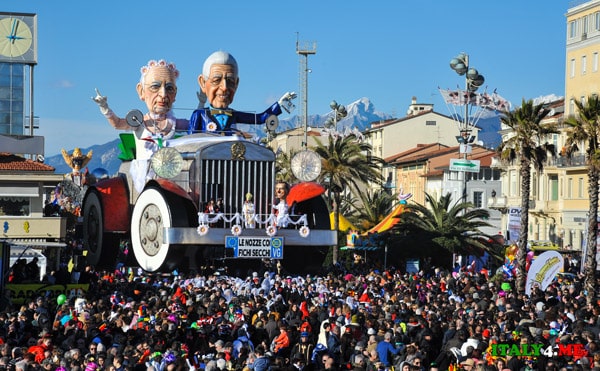
Carnival, also known as Mardi Gras, is observed in many countries around the globe. In Italy, it takes place 40 days before Easter. In this vibrant and spirited country, Carnival bursts onto the scene with color, joy, and excitement each spring. The most famous celebration is, of course, held in Venice.
January 6 – Epiphany (Epifania)
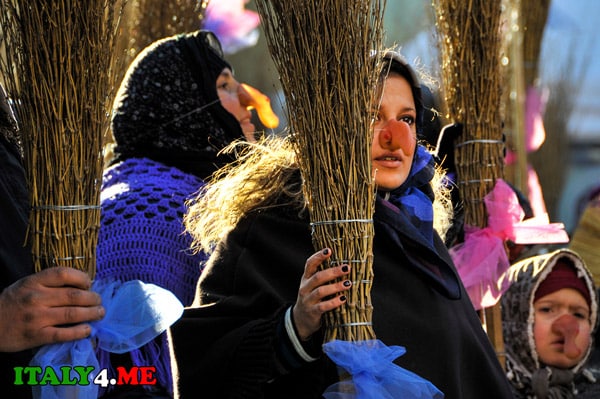
Celebrated every year on January 6, Epiphany marks the official end of the Christmas season. The streets fill with a fairytale atmosphere as children await gifts from the kind witch Befana, who visits homes just as the Three Wise Men once came bearing gifts for the baby Jesus.
Easter (Pasqua)
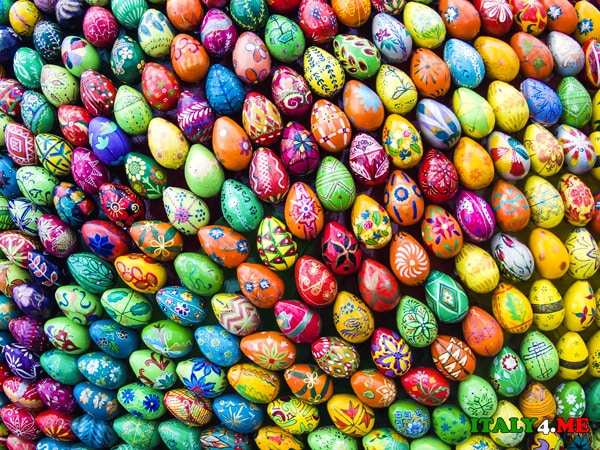
Italy’s celebration of Easter includes a variety of traditions and religious rituals. It’s also worth noting that the Monday following Easter, known as Easter Monday, is a national holiday. Leading up to Easter, Italians attend numerous Masses and services in preparation.
April 25 – Liberation Day (Festa della Liberazione)
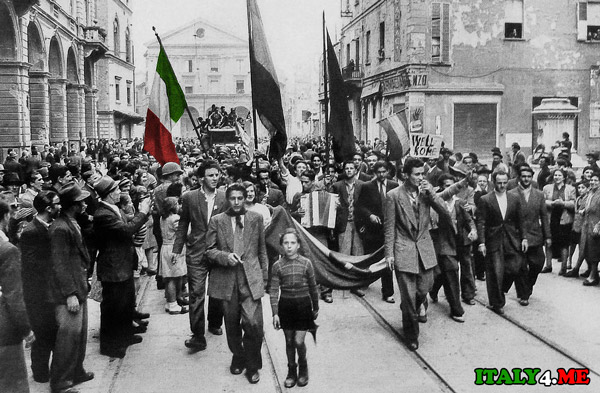
Liberation Day, celebrated each year on April 25, marks Italy’s freedom from fascism. Italians across the country honor the memory of those who died under the regime and during World War II.
May 1 – Labor Day (Festa dei Lavoratori)
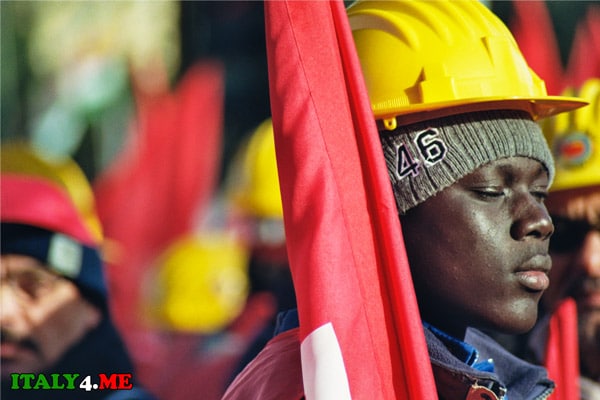
Though many countries observe Labor Day on May 1, in Italy the holiday takes on deeper significance. It’s not only a celebration of workers but also a day of political activism. Liberal parties often organize demonstrations addressing various issues. While the day usually concludes peacefully, it remains politically charged.
June 2 – Republic Day (Festa della Repubblica)
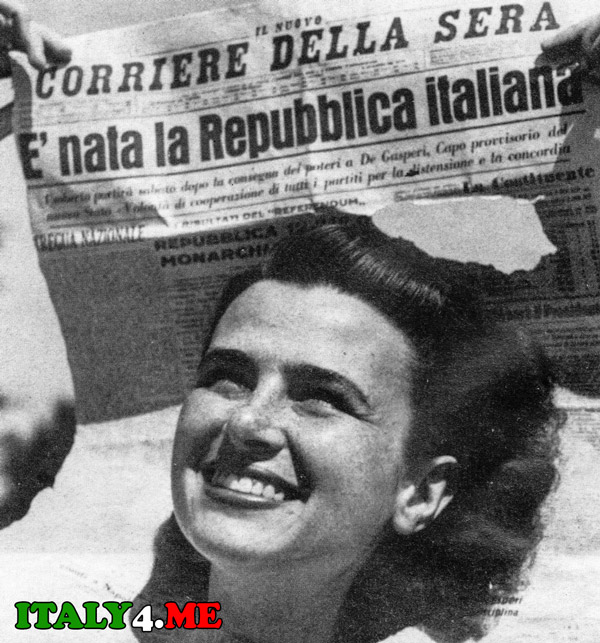
Each year on June 2, Italians celebrate the anniversary of the nation’s transition from monarchy to republic, which took place in 1946. At the time, the King of Italy had repeatedly supported fascist dictator Benito Mussolini during WWII. As a result, the Italian people turned against the monarchy. Beyond this, Italy’s royals were known for other controversial actions that cemented public opposition.
August 15 – Ferragosto
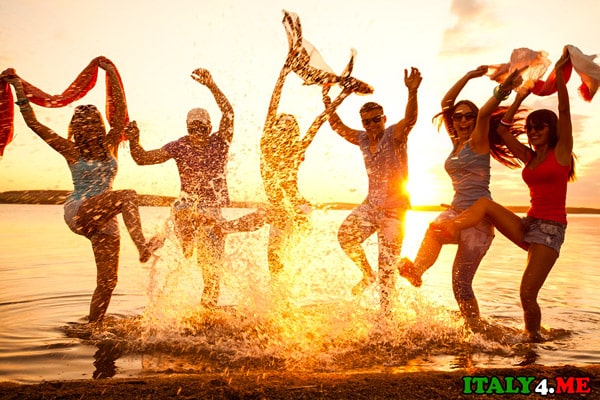
Aside from New Year, Easter, and Christmas, Ferragosto is arguably the most important and widely celebrated holiday in Italy. Every year on August 15, Italians observe the Assumption of the Virgin Mary—commemorating the day she ascended into heaven. During Ferragosto, Italy comes to a standstill as locals embrace the holiday’s joyful and laid-back atmosphere.
December 8 – Feast of the Immaculate Conception (Immacolata Concezione)
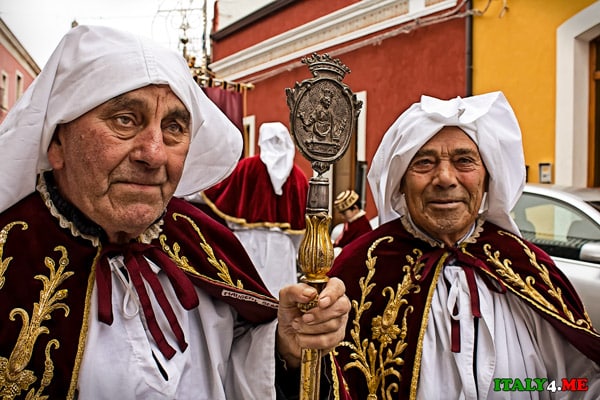
The Feast of the Immaculate Conception is celebrated in Italy on December 8 and is one of the most important Catholic holidays. On this day, thousands of the faithful attend special Masses across the country.
December 24 – Christmas (Natale)
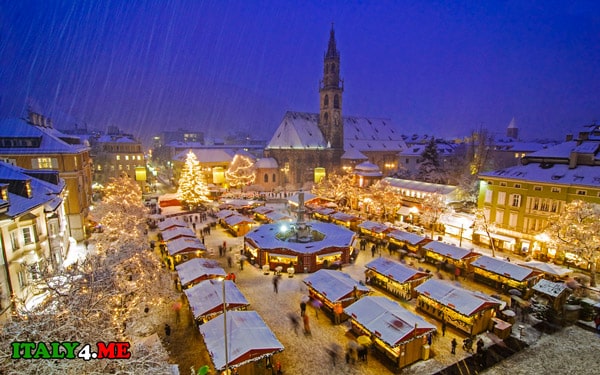
Christmas in Italy is celebrated from Christmas Eve through Epiphany, spanning from December 24 to January 6. This festive season is filled with meaningful traditions and rituals that bring families together.
- Traditional Christmas in Italy: Where, How, and With Whom?
- Christmas Markets in Italy
New Year (Il Capodanno)
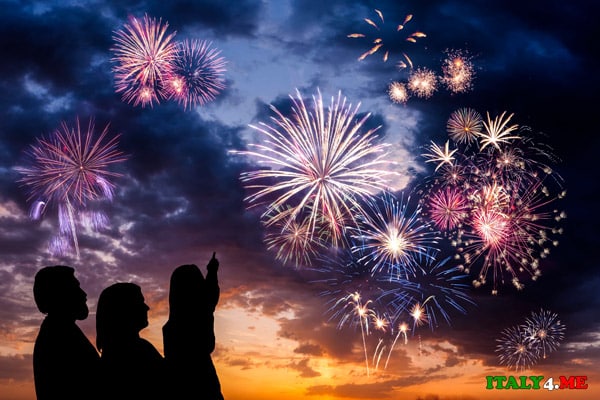
One of the most spectacular celebrations in Italy, New Year’s Eve brings together friends and family for grand parties. At midnight, the skies explode in colorful fireworks, and Italians toast the new year with glasses of Prosecco or Spumante, Italy’s version of sparkling wine.
Also read: