 Italy for me From Italy with love

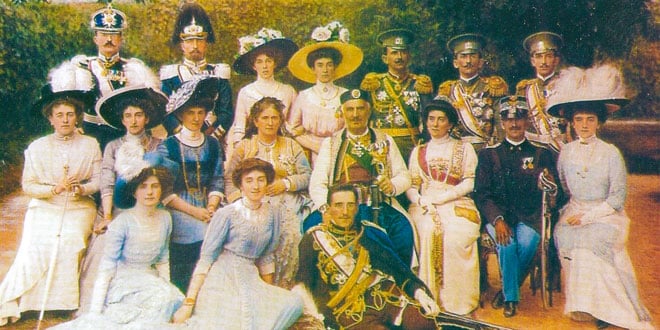
Many Italians admire the British monarchy, and some even believe their own country would benefit from having royals again.
This sentiment can be traced to both current public attitudes and Italy’s fascinating royal history. Here are ten intriguing facts about the monarchy that once ruled the Italian peninsula:
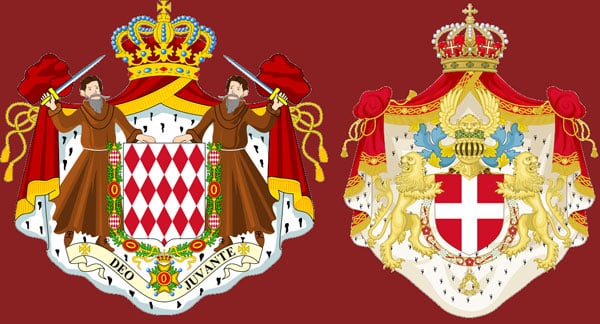
- The House of Savoy (Casa Savoia) is one of the oldest ruling dynasties in history.

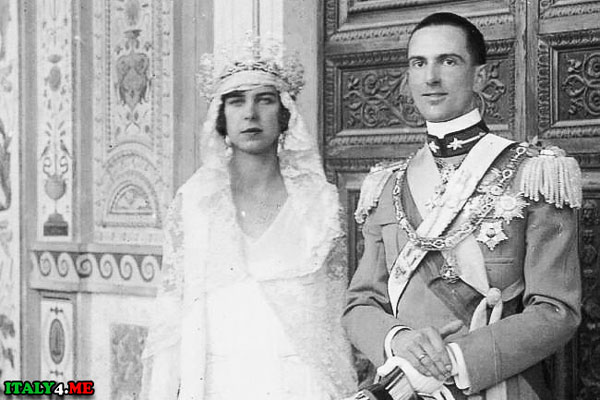
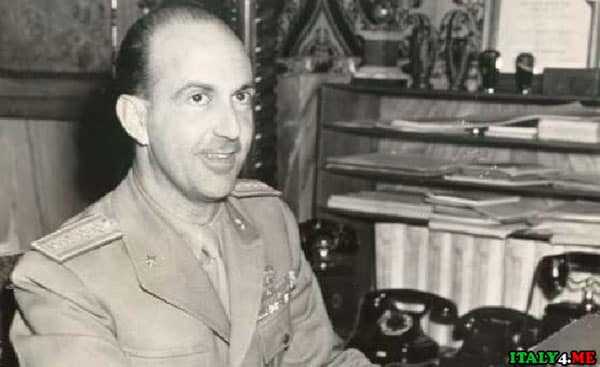
The family held considerable power until Italians voted to abolish the monarchy after WWII, when it was revealed they had supported fascist dictator Benito Mussolini. Once this was exposed, the Savoys were exiled to Switzerland. Their descendants were only allowed to return to Italy in 2002. - Umberto II, known as the “May King,” ruled for just one month.

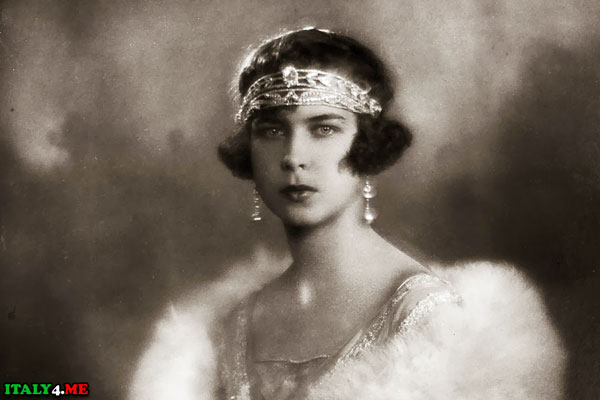
Shortly after taking the throne from his father, the Italian people voted to abolish the monarchy. Umberto lived in exile in Portugal for 37 years, while his wife and relatives were sent to Switzerland. - A 2011 letter by Benito Mussolini’s son, Romano Mussolini, published in Italian newspapers, claimed the dictator had a romantic relationship with Italy’s last queen, Maria José of Savoy.
 Monarchs ruled parts of Italy long before unification. Sicily was once ruled by Normans—nobles from northern France—including Duke William, later King of England, known as William II the Good. Norman knights conquered Sicily and much of southern Italy. Roger II (Ruggero II di Sicilia), founder and king of the Kingdom of Sicily, was also a leader of the Crusades.
- Due to confusion in historical records, the Kingdom of Naples, which spanned southern Italy from the 12th to 19th centuries, was often mistakenly referred to as Sicily.

When Sicily united with Naples in 1816, the new state became the Kingdom of the Two Sicilies. This name disappeared in 1861 after Italy’s unification.  The Italian royals were frequently involved in scandals. In 1655, Duke Emmanuel II of Savoy ordered a brutal massacre of the Waldensians, a reformist Christian group. In 1898, royal forces opened cannon fire on protesters—many women and children—in Milan during a food price revolt.
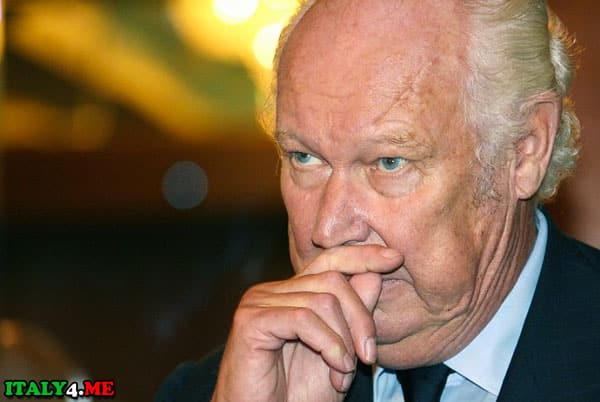
- Prince Vittorio Emanuele of Savoy, son of Umberto II and heir to the throne, has faced numerous scandals. He was arrested in 2006 on bribery charges.
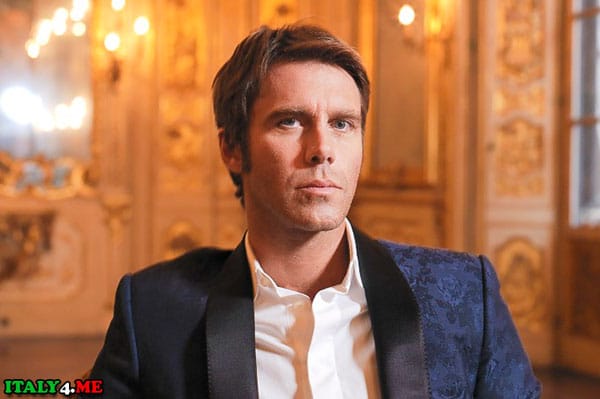
In 1989, he was convicted for the fatal shooting of a 19-year-old German while on a yacht, but was acquitted in 1991. In 2003, he controversially said Mussolini’s anti-Jewish laws “weren’t so terrible.” In 2004, he punched his cousin Amedeo during a royal wedding in Spain. - In 2010, Prince Emanuele Filiberto claimed he was dating British supermodel Kate Moss.

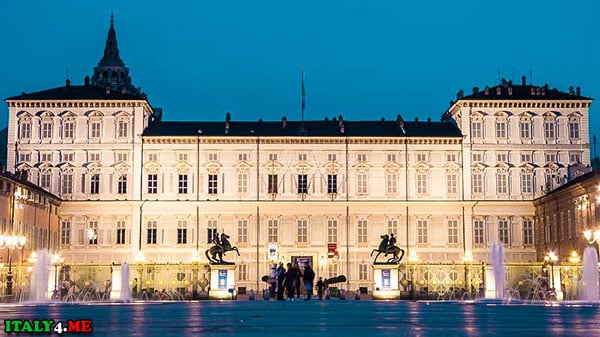
“She’s a beautiful woman, very charming, and incredibly down-to-earth,” he said. - The Royal Residence of the House of Savoy in Turin and its surrounding area is a designated UNESCO World Heritage Site.

- Even though Italy no longer officially recognizes noble titles, descendants of the House of Savoy still use titles such as Duke of Savoy, Prince of Naples, and Prince of Piedmont.

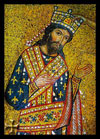 Monarchs ruled parts of Italy long before unification. Sicily was once ruled by Normans—nobles from northern France—including Duke William, later King of England, known as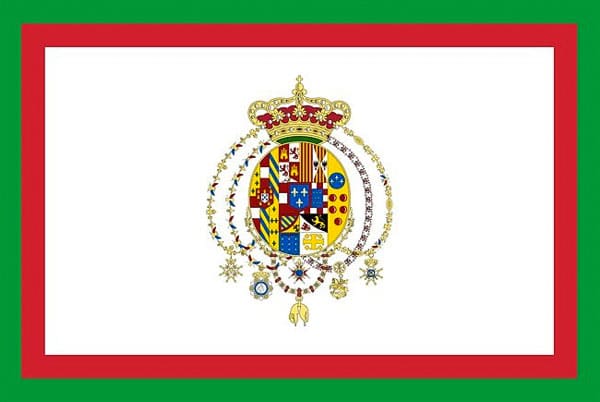
 The Italian royals were frequently involved in scandals. In 1655, Duke