 Italy for me From Italy with love


Balsamic vinegar, or simply balsamic, is considered the most refined of all Italian condiments. Traditional balsamic is very thick in consistency and even resembles tar, including its dark color. Among all culinary vinegars, balsamic is the most aromatic and offers a delightful sweet-and-sour flavor with rich fruity notes.
Let’s take a closer look at what it is used for and where it can be added.
Page Contents
History
The first documented mention of balsamic vinegar dates back to the year 1046. That year, an Italian marquis presented a unique gift to German ruler Henry II. Following this, balsamic vinegar became known as a gift fit for kings. In the late 18th century, a small barrel of vinegar was gifted to Austrian Emperor Franz upon his ascension to the throne.
For a long time, it was available only to the noble and wealthy. This unique product could be passed down as an inheritance from generation to generation or even used as a dowry. To this day, vinegar production remains a family business, and barrels are passed down through the family. On certain barrel lines in family-run vinegar houses, you can still see the names of their owners.
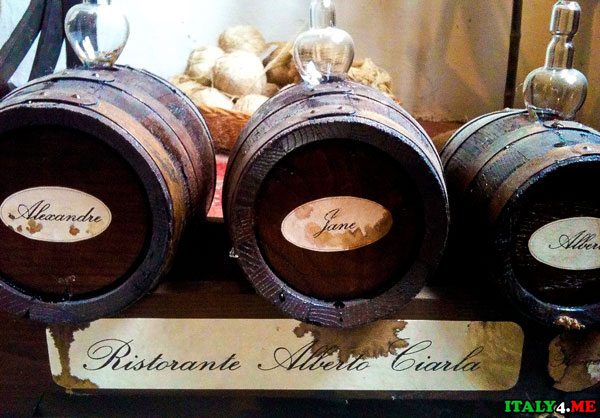
The birthplace of balsamic vinegar is believed to be the region of Emilia-Romagna in Italy and its province of Modena. Only families from the middle and upper classes had access to this exclusive product. Each family had its own secret recipe and preparation techniques. Interestingly, balsamic vinegar was originally used solely for medicinal purposes. It was considered a remedy and believed to cure many ailments.
Recommended experience: gourmet tour from Parma to a balsamic vinegar producer
Health Benefits
It was later discovered that balsamic vinegar could disinfect water, tenderize meat fibers, and help preserve food. That’s when balsamic began to be widely used in cooking as a condiment. It became an ingredient in nearly every dish. Perhaps this is one reason why there are so many long-livers among Italians.
In 1893, this noble product caught the attention of the scientific community. Professor Fausto Sestini published his study “On the Balsamic Vinegar of Modena”, in which he demonstrated the significant differences between regular vinegars, including wine vinegar, and traditional balsamic vinegar. Since 1967, the Traditional Balsamic Vinegar Society of Modena (aceto balsamico di Modena) has actively promoted this “royal” product while maintaining high quality standards. As a result, balsamic vinegar emerged from obscurity and began to gain international fame. Along with it, the cultural and culinary traditions of the Italian provinces that gave birth to this unique product—Modena and Emilia-Romagna—spread across the world. Near Modena, in the town of Spilamberto, a dedicated museum has even opened.
Interesting Facts
- Why is it called balsamic? The name appeared during the Renaissance, when the vinegar was used like a balm. It was applied to wounds and used to soothe sore throats. Did it help? Most likely, yes. Thanks to its antiseptic and anti-inflammatory properties, traditional balsamic vinegar earned a reputation as a magical remedy. Medieval healers even tried to use it to treat the plague. Casanova, for his part, used balsamic as an aphrodisiac before romantic encounters.
- How to spot a fake? Authentic traditional balsamic is nearly black and very thick. It’s bottled in 100 ml flasks, each bearing a label that includes the word “tradizionale.” High-quality traditional vinegar comes at a steep price, though some affordable options on the market still offer decent quality.

- Why is it so expensive? Making even a small amount of traditional balsamic vinegar requires a large volume of high-quality grape must. And, of course, it requires time—at least 12 years.
- Can it be mixed with anything? Not only can it be, but sometimes it’s even recommended. Just a couple of drops of traditional balsamic in two teaspoons of olive oil makes a delicious salad dressing. This sauce is also a great way to fight cholesterol.

Production: What is Balsamic Vinegar Made Of?
The process of making balsamic vinegar is far more complex and time-consuming than producing apple or wine vinegar. Balsamic vinegar can be made in two ways: industrial or artisanal. Products made industrially in Modena are considered the best in the world.
Only select grape varieties are used in production, such as Spergola, Berzemino, and Lambrusco. These grapes grow only in the provinces of Emilia-Romagna. Strict quality standards begin with the selection of grapes—they must be fully ripe, unspoiled, and never treated with chemicals. The unique climate of these Italian provinces helps ensure a truly high-quality product.
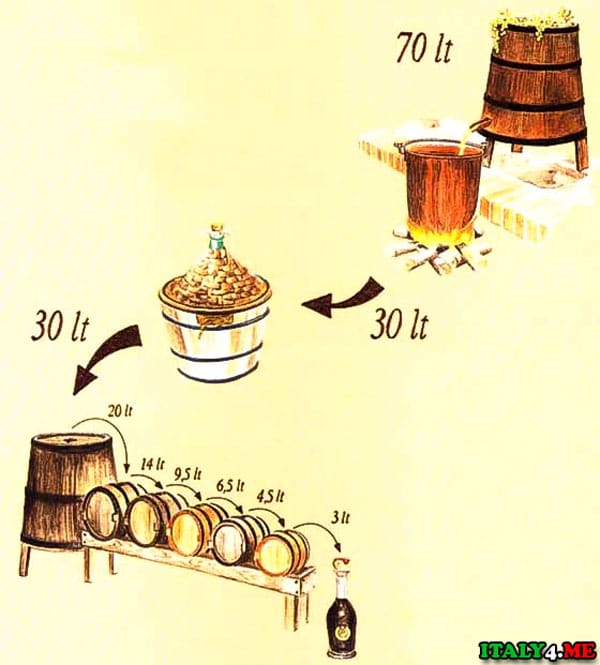
The harvested grapes are pressed, and the juice is simmered until only about 40% of the original volume remains. This thick, dark substance is called grape must, and it forms the base of real balsamic vinegar, which is made in three stages.
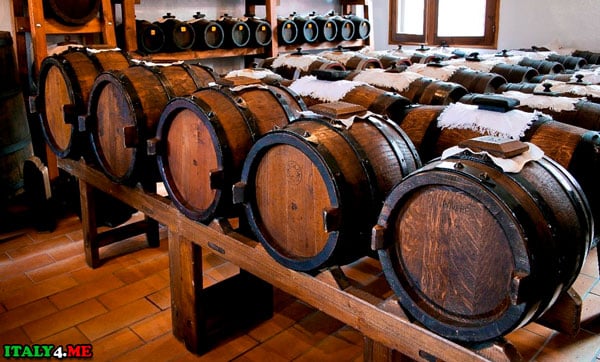
The production involves barrels of various sizes made from different types of wood. Each wood type gives the balsamic vinegar a unique aroma. For example, chestnut barrels, rich in tannins, lend the vinegar its dark color; juniper infuses it with essential oils; cherry wood adds sweetness; and oak barrels give it a subtle vanilla scent. The barrels used in the process range in volume from 10 to 100 liters.
These barrels are stored in attics, allowing all four seasons to influence the fermentation and aging process. Every spring, the vinegar is transferred from one barrel to the next in decreasing size, while fresh grape must is added to the largest barrel. Just like the craftsmen of the Middle Ages, today’s vinegar producers guard their methods and spice blends in strict secrecy.
After 12 years, the “young” or refined balsamic vinegar is considered ready. The aging process for the “mature” or extra-aged product continues for at least 13 more years. The final result is a dark brown, almost black, thick vinegar with a bold and lasting aroma.
How to Choose
Balsamic vinegar produced in Modena is bottled in thick white glass containers with a capacity of 100 ml. The base of this bottle must have a square shape. Bottles used for products from other provinces of Emilia-Romagna resemble an upside-down tulip, also made from white glass.
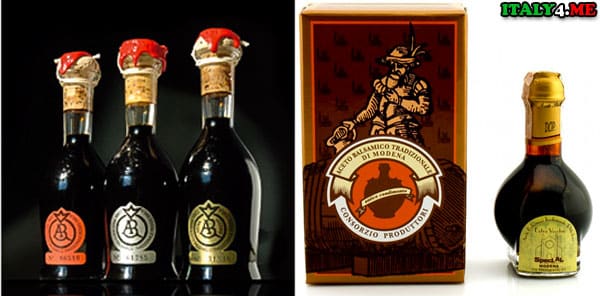
The bottles are sealed with different colored caps depending on the vinegar’s age. For example, in Modena, a 12-year-old balsamic has a cream-colored cap, while a 25-year-old has a gold one. In Emilia-Romagna, a 12-year-old is marked with a red cap, 18 years with silver, and over 25 years with gold.
An authentic product from Italy must include the word “tradizionale” in its name. For instance, “Aceto Balsamico Tradizionale di Modena” or “Aceto Balsamico Tradizionale di Reggio Emilia.”
Price
The price of traditional balsamic vinegar aged at least 12 years never drops below €500 per liter. A bottle of young balsamic from the producer costs about €40–50, while a mature product will set you back no less than €70.
Supermarket shelves also feature more affordable options. Unlike expensive varieties, these are made with red wine and wine vinegar and are aged much less. This significantly lowers production costs, and the final product mimics the taste of traditional balsamic. With a bit of effort, it’s possible to find an acceptable flavor even among budget-friendly versions, giving familiar dishes a new twist.
Usage
Today, just like in the past, traditional balsamic attracts consumers with its positive therapeutic effects. It’s especially popular after meals to aid digestion. But unlike in earlier times, the main use for traditional balsamic vinegar today is undoubtedly culinary.
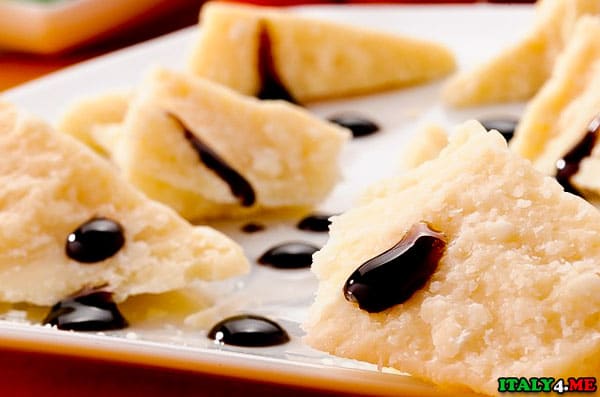
Balsamic vinegar is best used raw. It pairs especially well with strawberries and Parmesan, enhancing the flavor and aroma of both ingredients to their fullest.
Balsamic Vinegar Salad Dressing
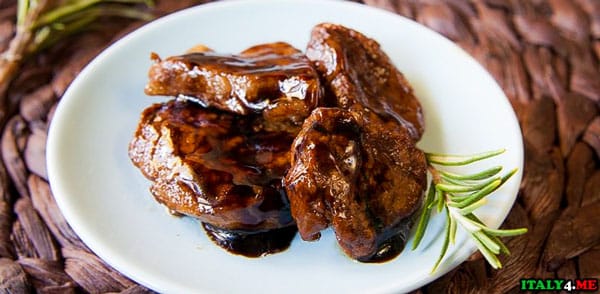
Just a few drops of traditional balsamic in a salad can beautifully enhance the flavor of a simple olive oil dressing. But don’t limit yourself to just salad dressings. This unique ingredient can elevate almost any dish. For example, a meat dish will reveal new depths of flavor when finished with a few drops of balsamic vinegar at the end of cooking.
Using balsamic vinegar is most typical of Italian cuisine. Its distinctive note is always recognizable, even in small quantities. No respected Italian chef works without this unique condiment. This amazing product has the irreplaceable quality of amplifying the aroma of any ingredient, enriching it with its one-of-a-kind flavor.
Mix a little balsamic with fresh olive oil and you’ll have a delicious salad dressing. Serve it separately with fresh bread for dipping, and it makes an excellent appetizer. Balsamic also works well in marinades, giving dishes a refined taste. It pairs wonderfully with seafood too—think rice with calamari or shrimp with avocado.
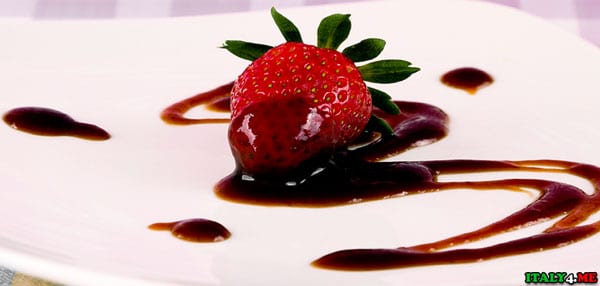
A classic culinary pairing is traditional dark balsamic with a cheese salad made of leafy greens, tomatoes, and soft cheeses. One of the most unusual pairings is balsamic with strawberries. The berries are drizzled with vinegar, sprinkled with powdered sugar, and laid on arugula leaves. After 20 minutes, the salad is ready to serve.
Health Benefits
Traditional balsamic vinegar is rich in vitamins A, C, and B group vitamins. It’s also loaded with essential minerals like calcium, potassium, phosphorus, and iron. The polyphenols it contains give it powerful antioxidant properties.
Moderate consumption of balsamic vinegar may help prevent the development of both cancer and heart diseases. Its B vitamins support the nervous system and brain function. And let’s not forget the antibacterial qualities that earned balsamic vinegar its name and reputation—they stimulate digestion, suppress harmful bacteria, and promote general well-being.
Cosmetologists also appreciate this remarkable condiment, using it widely in rejuvenating treatments, anti-cellulite products, and hair care remedies.
Tip: For maximum benefit, avoid exposing balsamic vinegar to heat.
Finally, to truly understand what real balsamic vinegar from Modena is all about, you should visit the place where it was born. Only then will you have a proper comparison. Incidentally, balsamic production is so ingrained in Modena’s culture that even the city council takes part. Rows of barrels rest in attics, patiently awaiting the completion of fermentation for the precious product that made Modena famous around the world.