 Italy for me From Italy with love


Bread is one of the simplest foods, requiring just a few basic ingredients: flour, water, and yeast. But with just a few extra components, a change in shape, or a different proofing time, this humble staple can take on a stunning variety of forms.
In Italy, every region proudly boasts its own traditional version of bread. Since 1998, bread production and sales in Italy have been regulated by national legislation. Below is a guide to Italy’s regional breads, organized by their places of origin.
Page Contents
Abruzzo
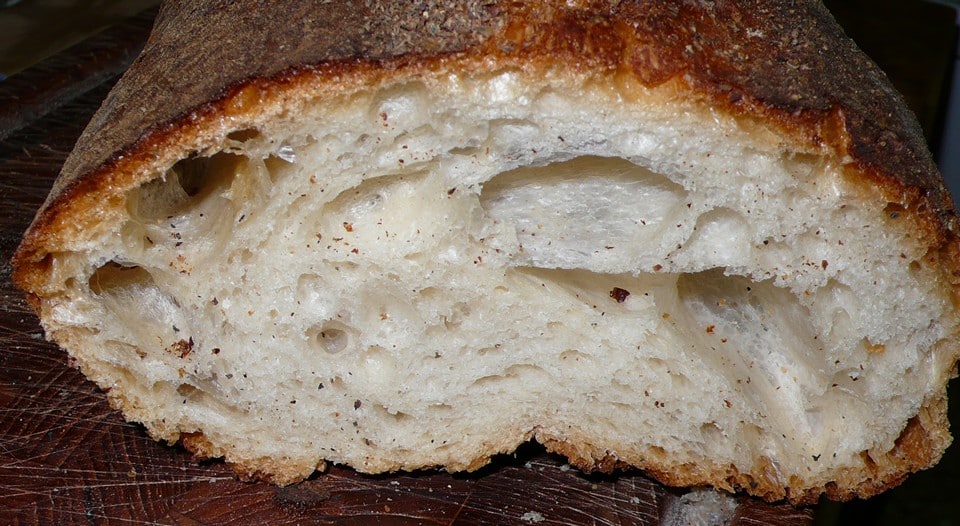
Pane Casareccio Aquilano, or Homemade Aquilano Bread, is known for its wrinkled shape and golden-brown crust that’s about 0.1–0.15 inches (3–4 mm) thick. The freshly baked loaf is crisp and fragrant with hints of toasted corn, even though it’s primarily made from wheat flour.
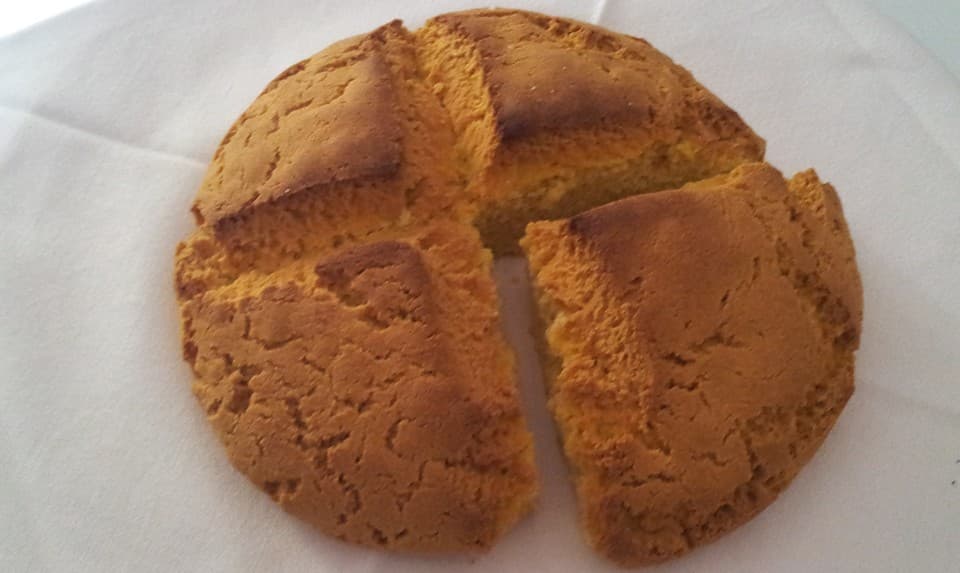
Another regional favorite is Parruozzo, a rustic cornmeal bread. The cornmeal is scalded with boiling water and left to rest overnight before baking. The result is a loaf with a dark crust and rich corn aroma, often served alongside vegetable dishes in Abruzzo homes.
Apulia
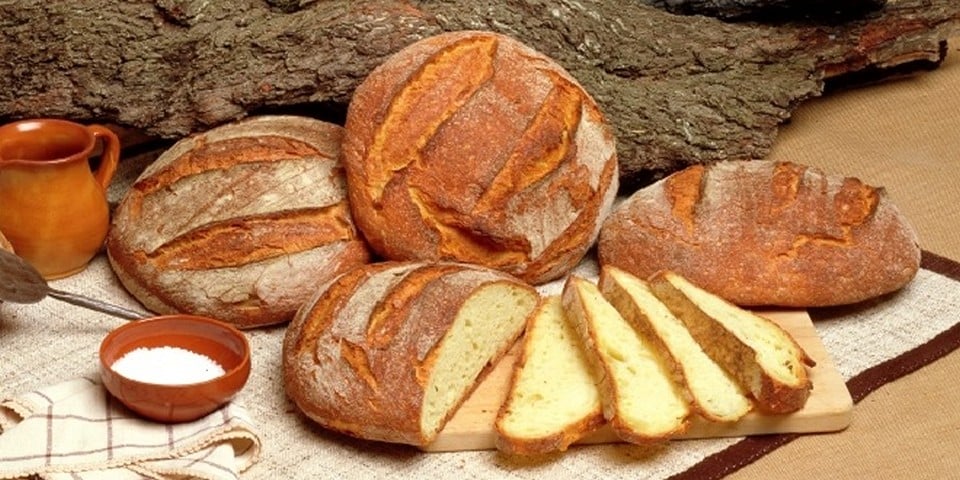
Pane di Altamura is baked throughout Apulia and is protected by DOP certification. It’s made from high-quality durum wheat flour, water, yeast, salt, and malt. Rich in gluten, the dough is traditionally baked in wood-fired or stone ovens. The resulting round loaf features a thick, crunchy crust and airy, pale yellow crumb, with one or two slashes cut across the top.
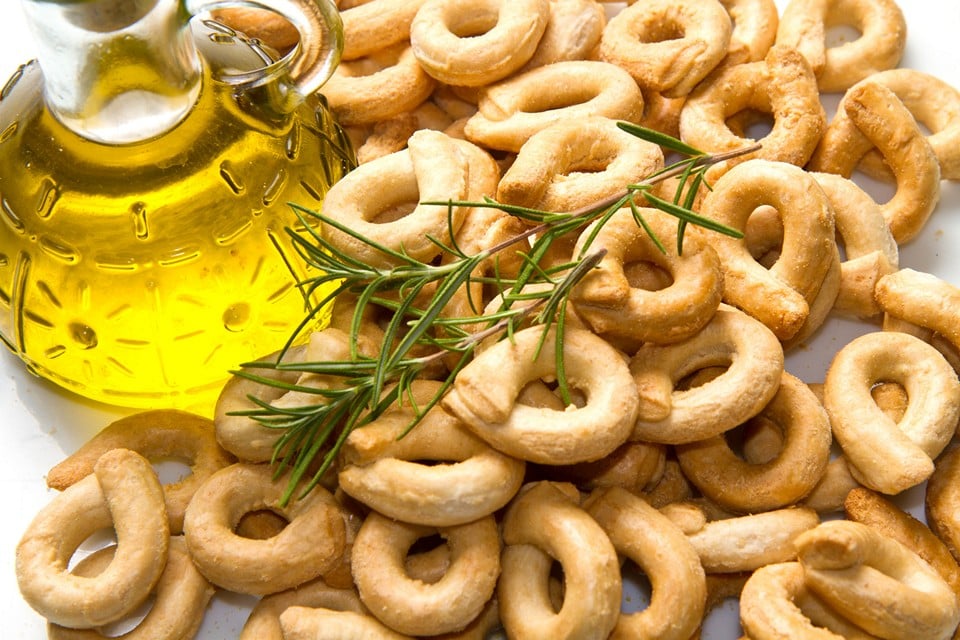
Taralli are a classic Apulian snack. These ring-shaped, yeast-free crackers are made from flour, water, salt, olive oil, and dry white wine. The dough is rolled into ropes, shaped into rings, briefly boiled, and then baked until golden. They resemble American-style bagels, but in Italy, Taralli are often served as a bread substitute during meals.
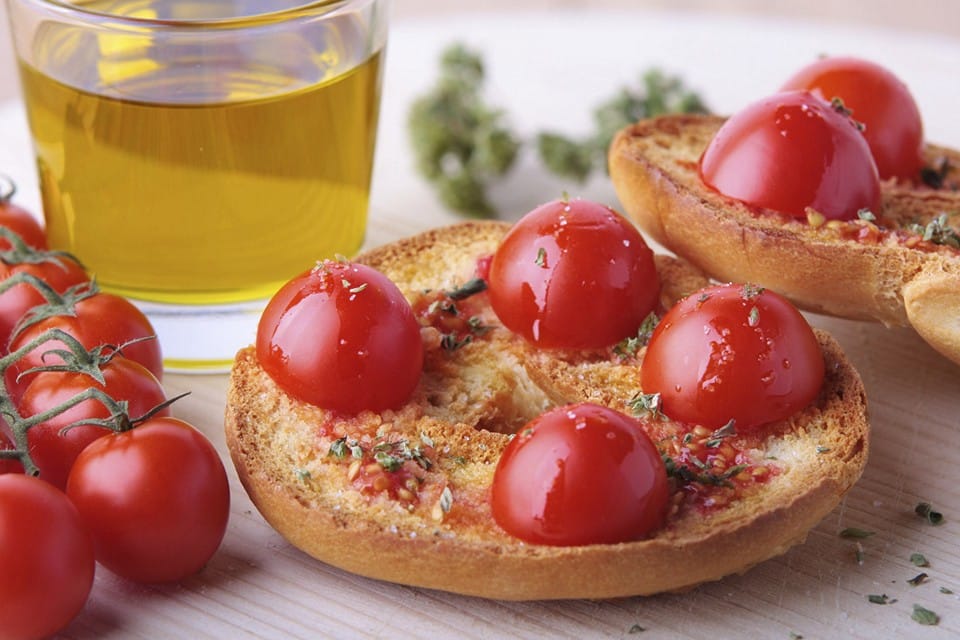
Friselle are ring-shaped breads made with durum wheat flour and baked twice. Once baked, they are sliced lengthwise and toasted again, resulting in a dense, dry texture. Before serving, Friselle are typically soaked briefly in cold water to achieve the desired softness. They’re often topped with garlic, tomatoes, oregano, or a drizzle of olive oil.
Basilicata
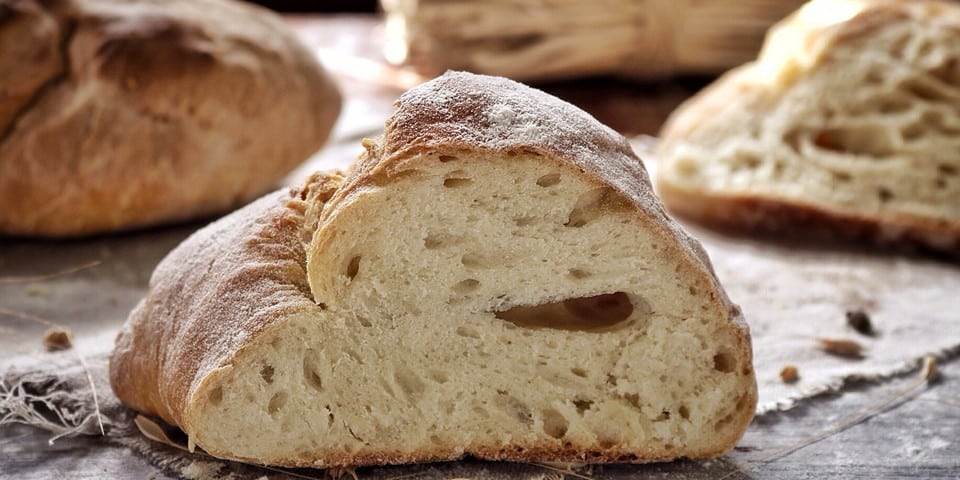
Pane di Matera is made using an ancient baking tradition. The dough, enriched with semolina and durum wheat flour, is baked in wood-fired ovens. This bread holds the IGP quality certification. Its crescent shape makes it easily recognizable, and each loaf typically weighs between 2.2 to 4.4 pounds (1–2 kg). The crumb is light in color with a rich aroma. Matera bread is known for its long shelf life, staying fresh for 7–9 days.
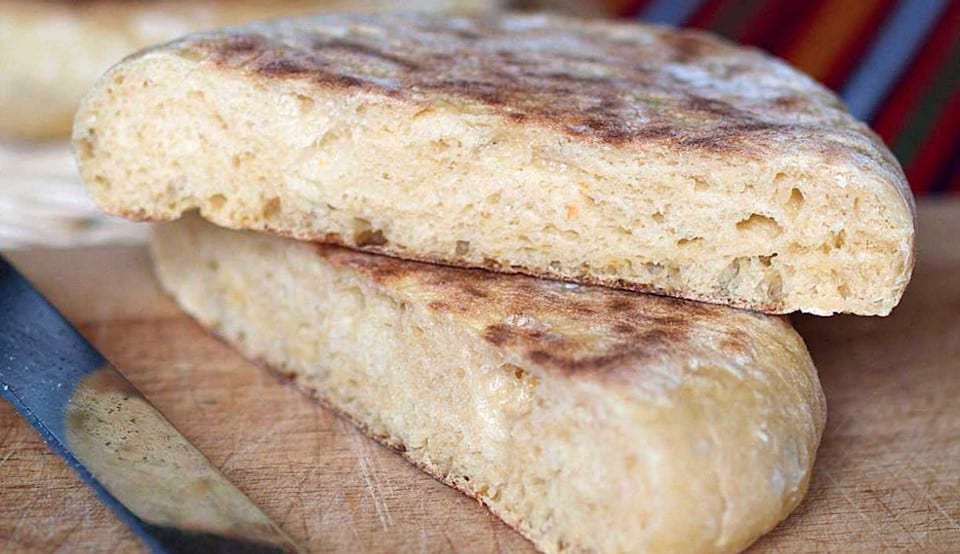
Ruccul is an early version of focaccia. This flatbread is made with traditional bread dough flavored with garlic, oil, oregano, and chili pepper. The entire process is done by hand, and Ruccul, like its close cousin focaccia, is baked in the shape of a flat disc. Its crust is uneven and golden brown, offering a rustic appearance and bold flavor.
Aosta Valley
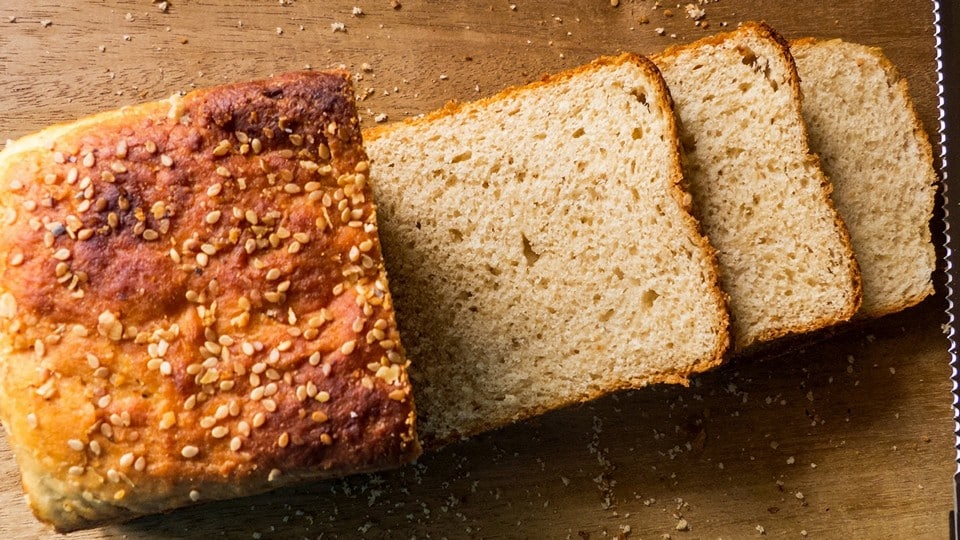
The signature bread of the Aosta Valley is known as Pan Ner, or “Black Bread.” It is made primarily from rye flour. This bread features a thin, hard crust and a dense interior. It is often flavored with caraway or fennel seeds. Many bakeries in the region still use traditional wood-fired ovens to bake Pan Ner the old-fashioned way.
Veneto
In the Veneto region, traditional Bovolo bread stands out thanks to its unique spiral shape. This eye-catching twist makes it one of the most recognizable breads in Italy. Made from soft wheat flour, water, salt, yeast, and beer, the dough is divided into small portions and rolled into spirals before baking. The result is golden, crusty rolls weighing no more than 5.3 oz (150 g).
Cioppa, or Cioppetta, is a signature bread from the province of Vicenza. Its distinct cross-shaped form varies slightly by bakery—some loaves are rounder, others more elongated. It’s made with flour, water, several types of yeast, and salt. The finished product has a compact crumb and a crispy crust. Cioppa loaves are often split into individual rolls and used for sandwiches.
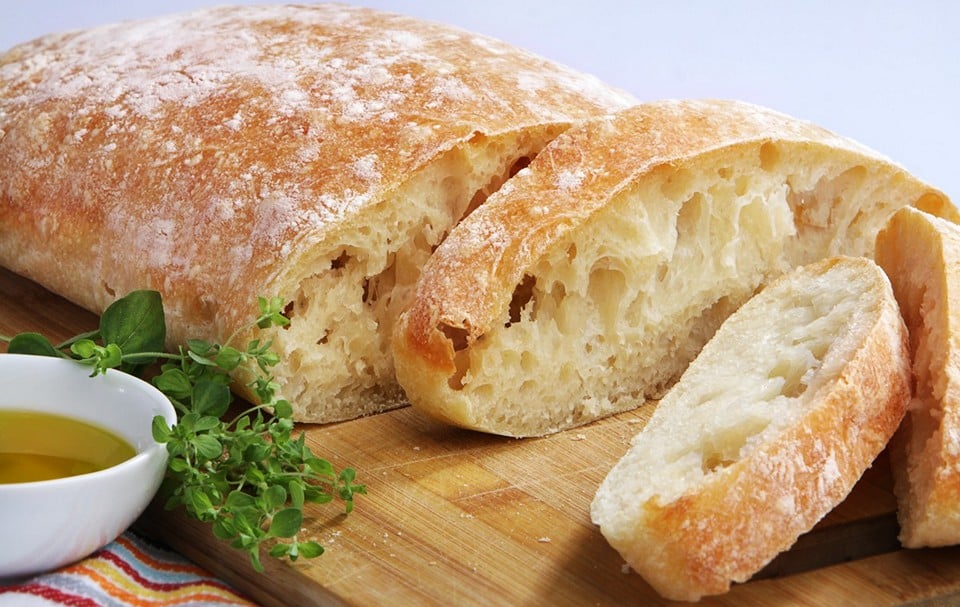
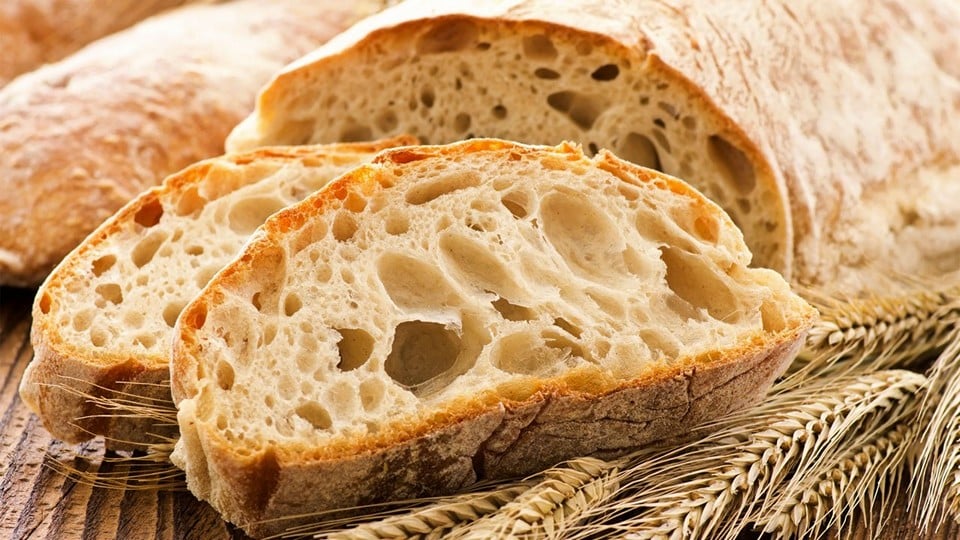
Ciabatta is perhaps the most famous Italian bread internationally. Its signature lies in its high water content—70% of the flour weight—which gives the bread its airy, hole-filled texture. With a dark crust and mildly salty flavor, it’s perfect for sandwiches or dipping in olive oil.
Calabria
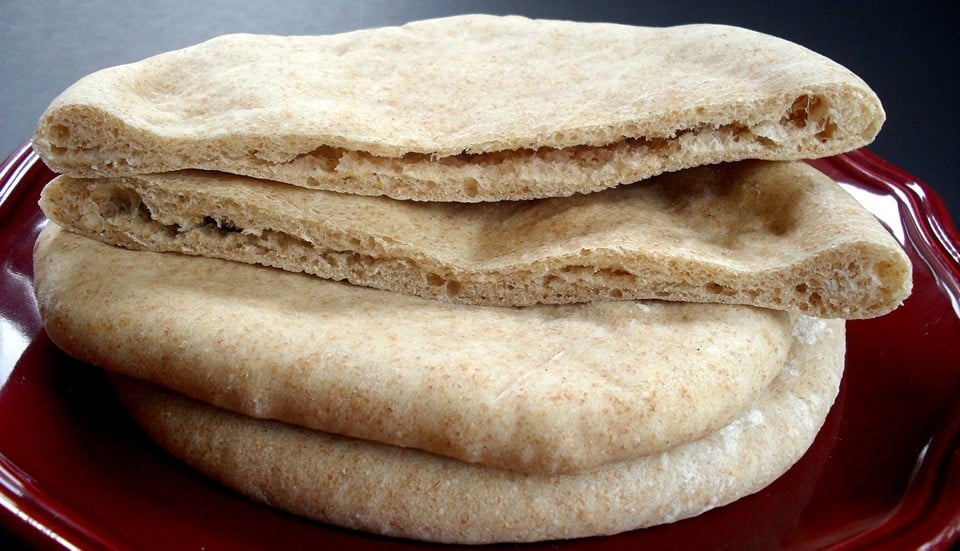
Pitta bread is a Calabrian staple made from flour, water, salt, and yeast. Its flat, round, and soft form is reminiscent of Middle Eastern pita or Armenian lavash. While it often accompanies main dishes, it’s just as commonly served as a snack with dips and sauces.
Campania
Pane Cafone, or “peasant bread,” is typical of the Campania region but is enjoyed throughout Italy. Its flavor is enhanced by a mix of wheat flour and semolina, which gives it a hearty, rich taste. The crust is dark and crisp, with a slightly chewy bite. Once considered poor man’s bread, Pane Cafone is now regarded as one of the finest traditional loaves in Italy.
Pagnotta di Santa Chiara leans more toward a savory pie than a typical bread. It’s made from flour, mashed potatoes, yeast, pork fat, and pepper, then topped with anchovies, tomatoes, oregano, and parsley for a flavorful finish.
Lazio
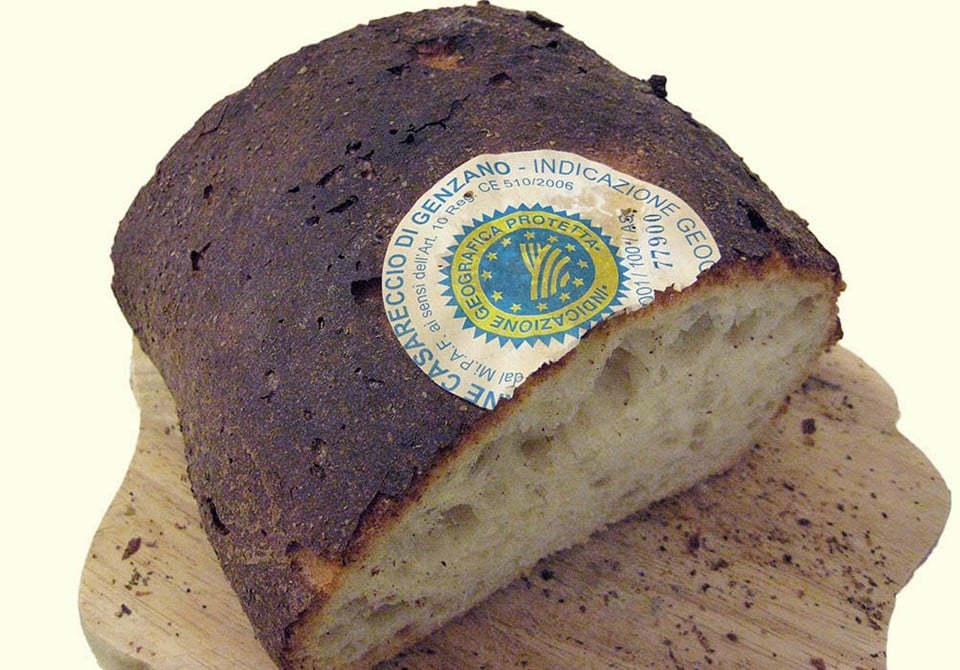
The star of the Lazio region’s bread scene is undoubtedly Pane Casareccio di Genzano. Protected by IGP status, this rustic loaf is made with flour, yeast, salt, water, and wheat bran. Each loaf weighs between 1.1 and 5.5 pounds (0.5–2.5 kg). The crust is dark and flecked with bran, while the aroma evokes fresh grain and the taste has a subtle tang.
Liguria
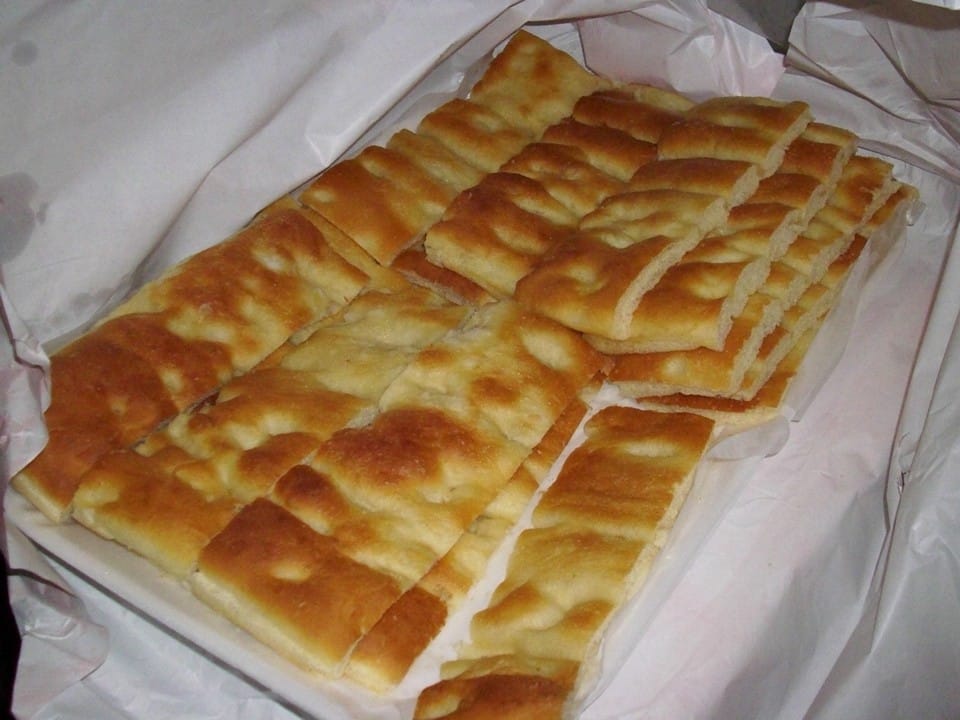
Liguria is famous for its Focaccia Genovese. This flatbread is made from wheat flour, olive oil, salt, water, and yeast. It’s a true delicacy, perfect for breakfast early in the morning or as a late-night snack. In the evening, it’s often enjoyed with a small glass of white wine. Many variations enhance the classic focaccia, including a popular version with finely chopped white onions added to the dough. Traditional toppings include olives or sage, while modern takes may feature fillings of meat, tomatoes, cheese, nuts, or even raisins for a sweet twist.
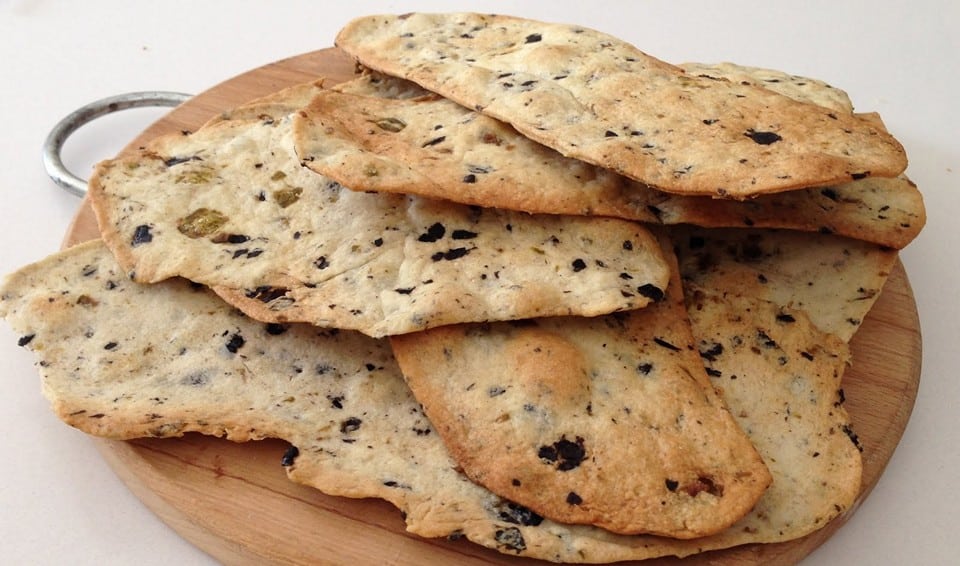
Another Ligurian favorite is Ciappe, thin and crispy flatbreads whose name literally means “flat stones.” Made from flour, water, oil, and salt, the dough is rolled out to just a few millimeters thick and shaped into disks about 4–6 inches (10–15 cm) in diameter. Like focaccia, Ciappe can be enhanced with onions or herbs and make a wonderful light breakfast.
Lombardy
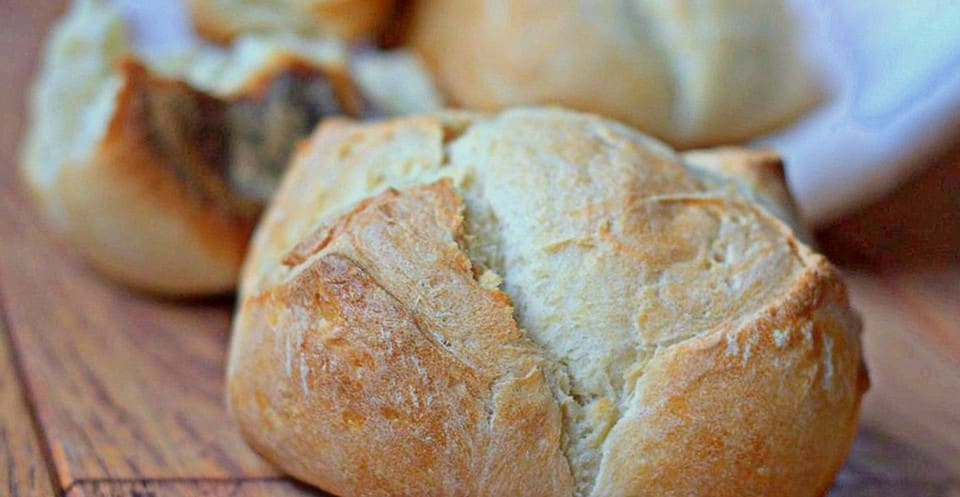
Michetta is a signature bread widely found in Lombardy, especially in Milan. It’s instantly recognizable thanks to its star-shaped form. The dough, made from flour, water, malt, and yeast, is left to rise for at least 16 hours, developing a wonderfully elastic texture. Known for its airy crumb, Michetta is ideal for sandwiches but tends to lose its crispness within a few hours of baking.
Mantovano is a traditional bread from the province of Mantua and one of the oldest in Lombard cuisine. It comes in different versions, including Baule and Ricciolona—the latter enriched with butter and lard. The dough, made from flour, water, and sourdough starter, yields a loaf with a dry texture. Mantovano loaves are shaped like small baguettes with ridges formed by crosswise cuts on the surface. They typically weigh between 1 oz and 9 oz (30 to 250 g).
Marche
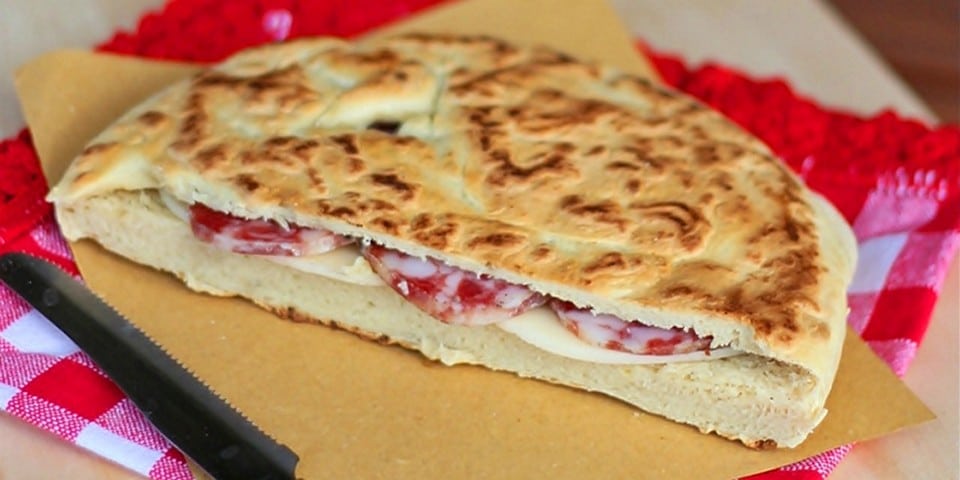
Crescia bread is made throughout the Marche region in various forms. In Montefeltro it’s called Spianata, while in Pesaro it goes by Crescia Brusca. A version seasoned with herbs and pork cracklings is known as Pizza coi grasselli, or “Pizza with Herbs.” Traditionally, Crescia is flavored with oil, rosemary, and onions. In some provinces it’s grilled instead of baked. The bread is flat and round, about 0.8 inches (2 cm) high, resembling a pizza base, and is often topped with assorted ingredients.
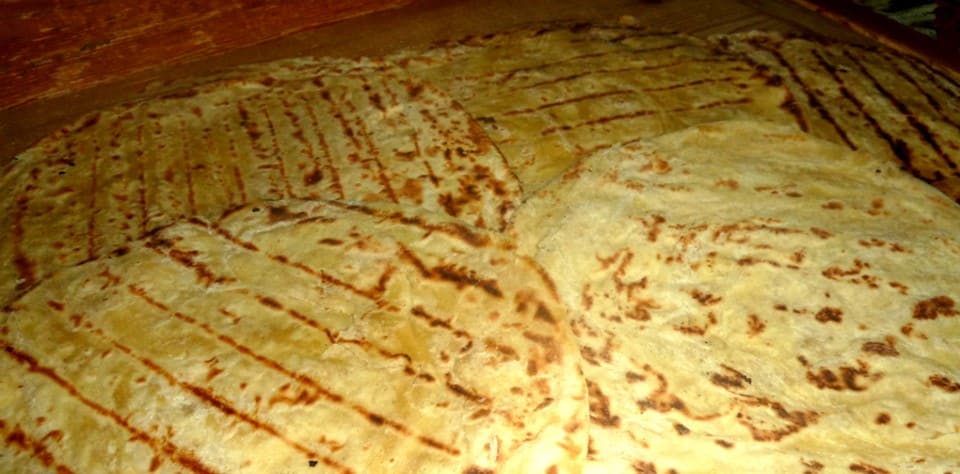
In Pesaro and Urbino, Crostoli del Montefeltro is a staple. This flatbread has a light golden crust and is typically served with cured meats, cheeses, grilled vegetables, or meats.
Molise
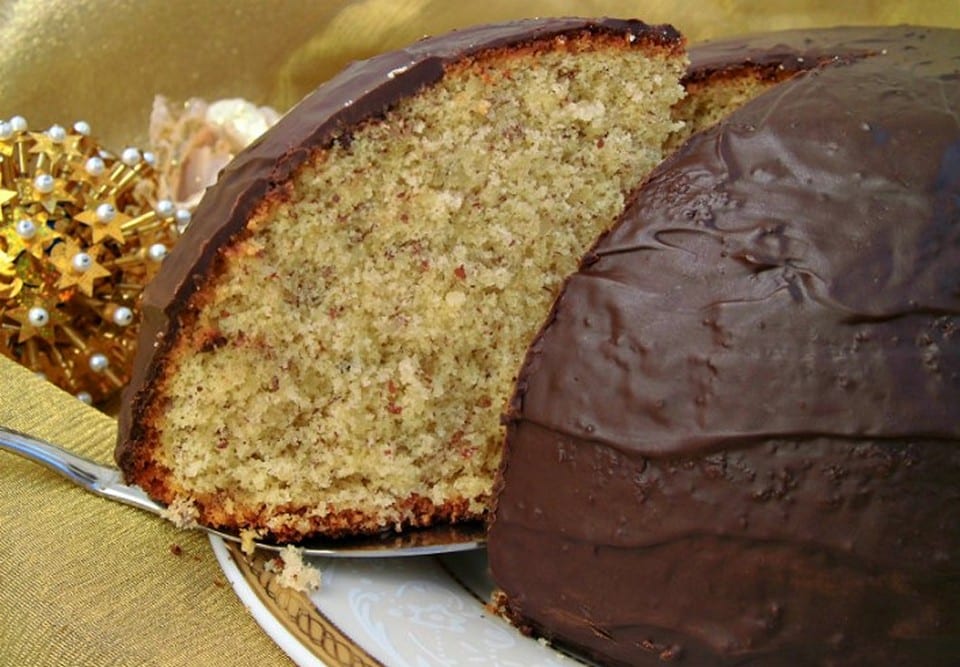
Like in Abruzzo, Molise bakes its own version of corn bread called Parrozzo Molisano. Unlike its neighbor, it also includes wheat flour and boiled potatoes. The dough is prepared over two days and baked at a high temperature.
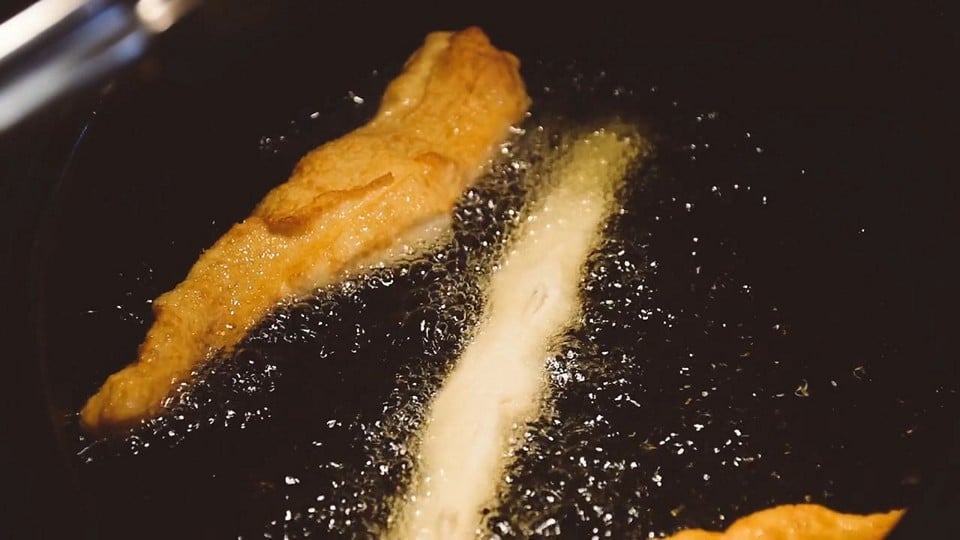
Scarpelle is one of Italy’s most unique breads. Despite a simple dough of flour, water, salt, and yeast, it’s not baked—it’s fried in olive oil. The result is irregularly shaped, golden-brown bread sticks with a crispy crust.
Piedmont
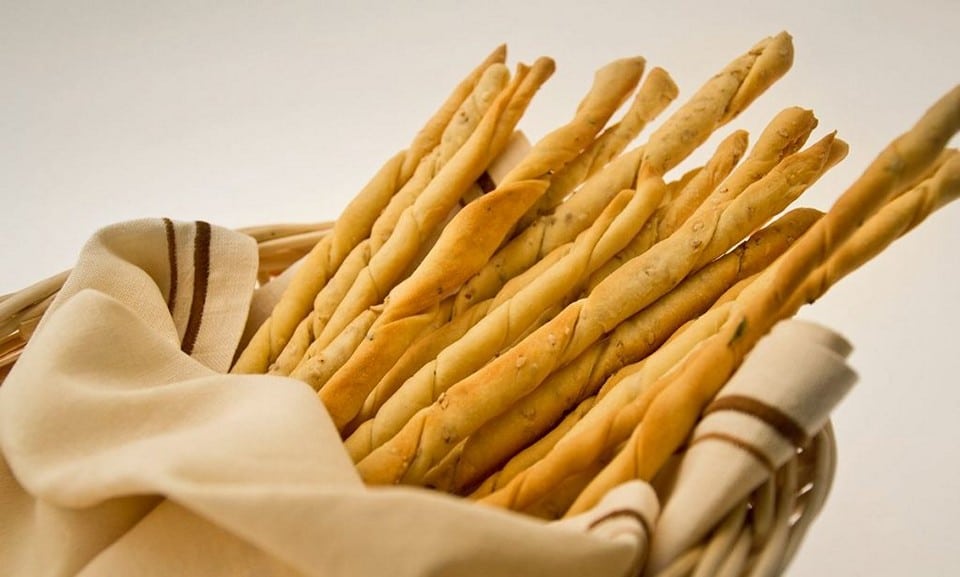
Grissini breadsticks are the pride of Piedmont. These thin sticks range from 8 to 32 inches (20 to 80 cm) in length. They’re made from wheat flour, water, milk, yeast, and salt. For a more delicate texture, a bit of oil is added. After resting, the dough is hand-rolled and baked for 15–20 minutes, resulting in the signature crispness of Grissini.
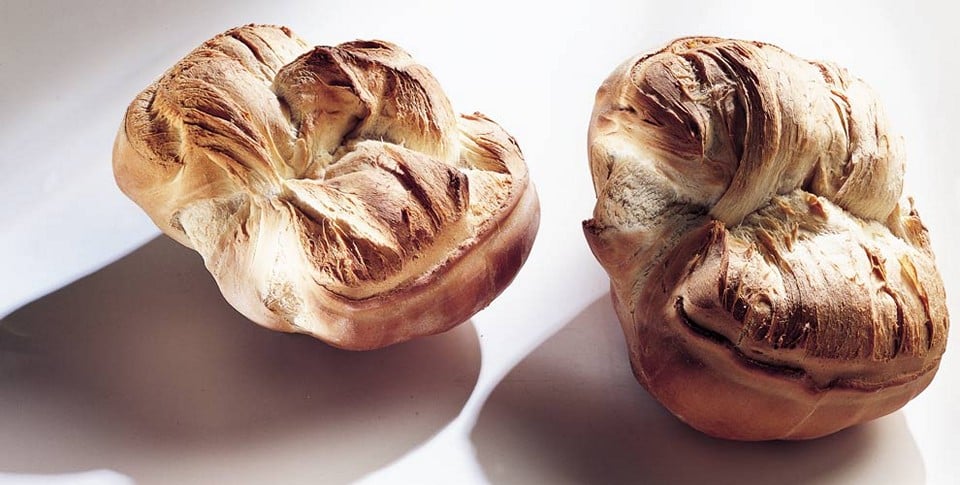
Biova Piemontese is another traditional Piedmont bread made with flour, water, yeast, and salt. It features an oval shape and is often baked into small rolls perfect for making both savory and sweet sandwiches.
Sardinia
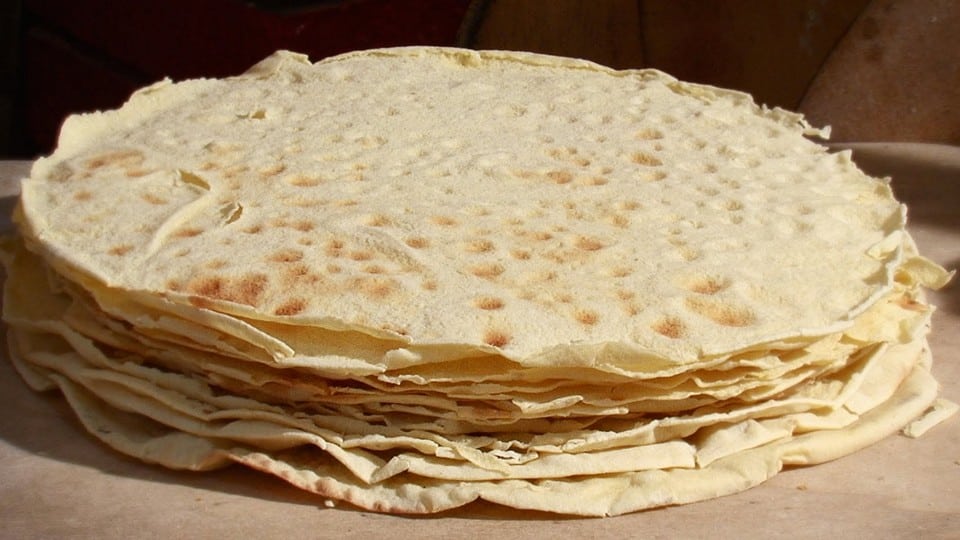
Carasau – the iconic Sardinian bread, also known as *carta da musica* (“sheet music”) due to its extreme crispiness that creates a distinctive “musical” crunch when eaten. Made from durum wheat flour, water, yeast, and salt, it’s enjoyed in two ways. Dry Carasau pairs well with both savory and sweet dishes. When softened with water, it becomes a base for a variety of toppings including meats, cheeses, and vegetables.
Sicily
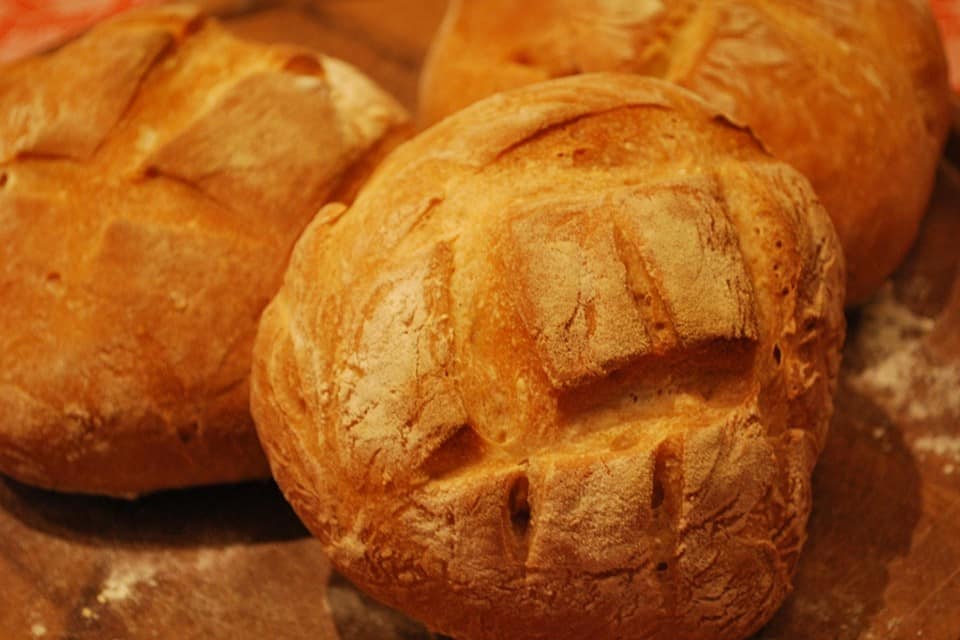
Pagnotta del Dittaino, like many DOP-certified breads, is made with top-grade flour, water, yeast, and salt. The loaves are medium-sized (2.2–3.1 lbs / 1–1.4 kg), round, with a thick crust and a yellow crumb. This bread stays fresh for up to 5 days.
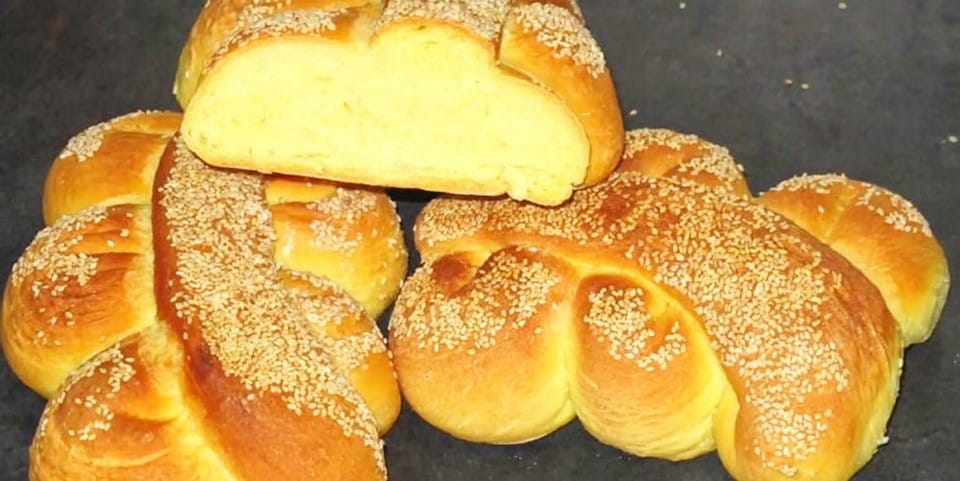
Mafalda is a sesame-topped bread made with flour, semolina, malt, yeast, and salt. Its shape resembles a coiled sleeping snake covered in sesame seeds. The dough is shaped into a spiral with a trailing end laid across the top. In Palermo bakeries, it’s one of the most popular bread varieties.
Trentino-Alto Adige
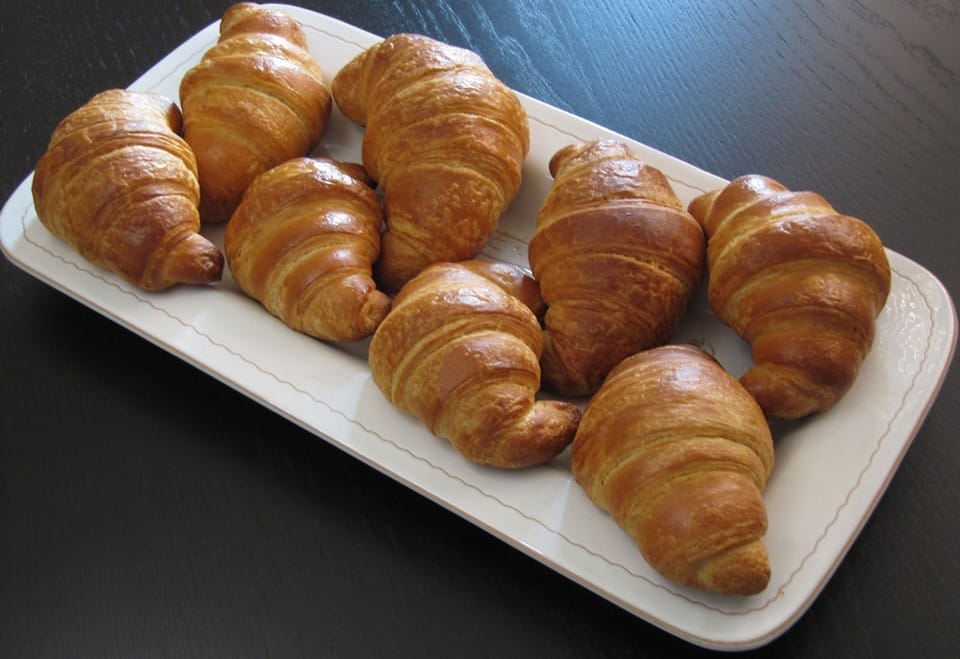
Chifel is the traditional bread of Trentino-Alto Adige, shaped like a croissant and often mistaken for one. However, it contains no sugar—only flour, water, butter, yeast, and salt. The result is a shiny, delicate roll weighing about 1 oz (30 g), with a soft interior and mildly salty flavor. Chifel is ideal for both sweet and savory breakfast sandwiches.
Tuscany
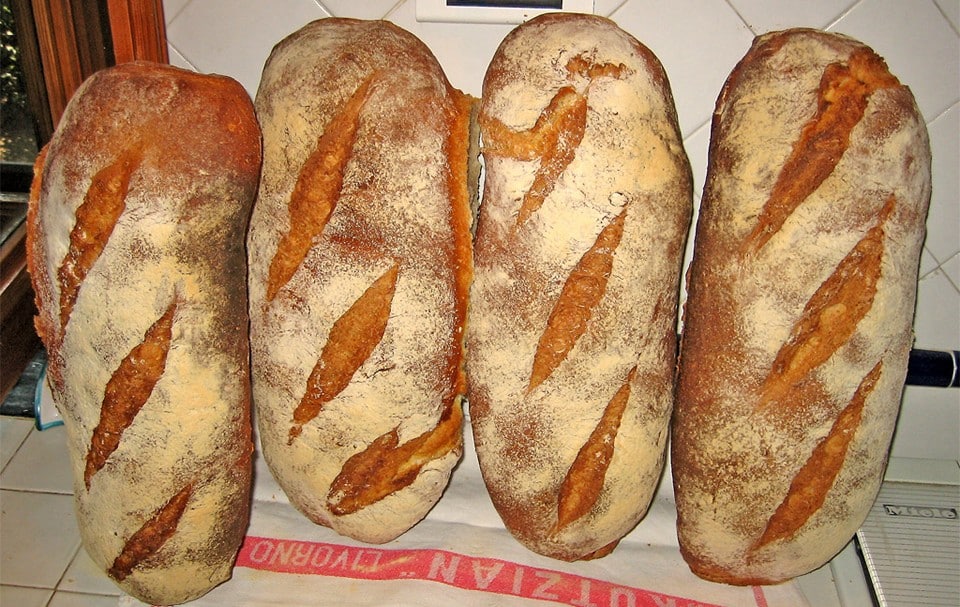
Pane Toscano is famous for its “bland” flavor—due to the complete lack of salt. It has a rectangular, oval, or round shape and a golden crust. It’s often used to make crostini: sliced and toasted in the oven. In 2016, this salt-free bread earned DOP status.
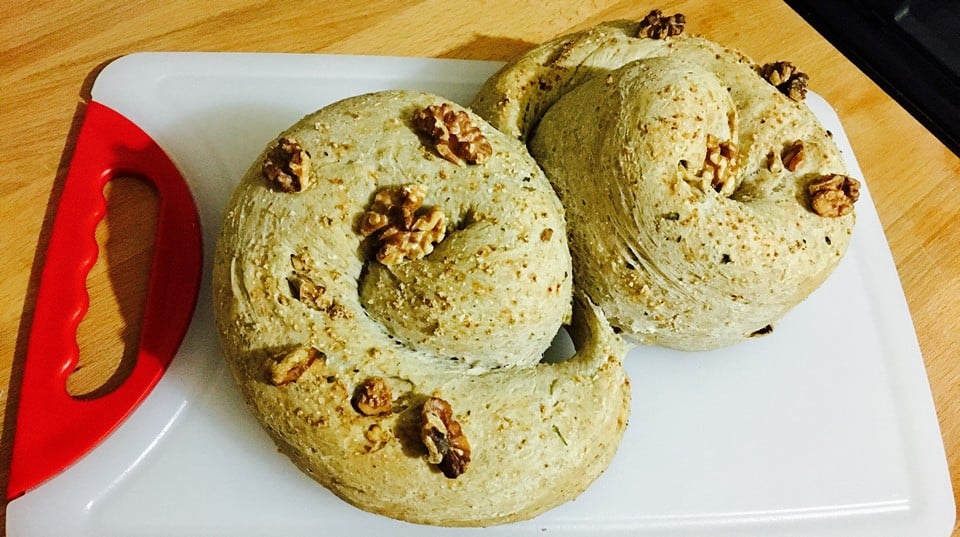
Pagnotta Maremmana is baked across the Maremma region using wheat flour, water, natural starter, beer yeast, and salt. Loaves are round, and the crust color ranges from light to dark gold depending on the flour used.
Friuli Venezia Giulia
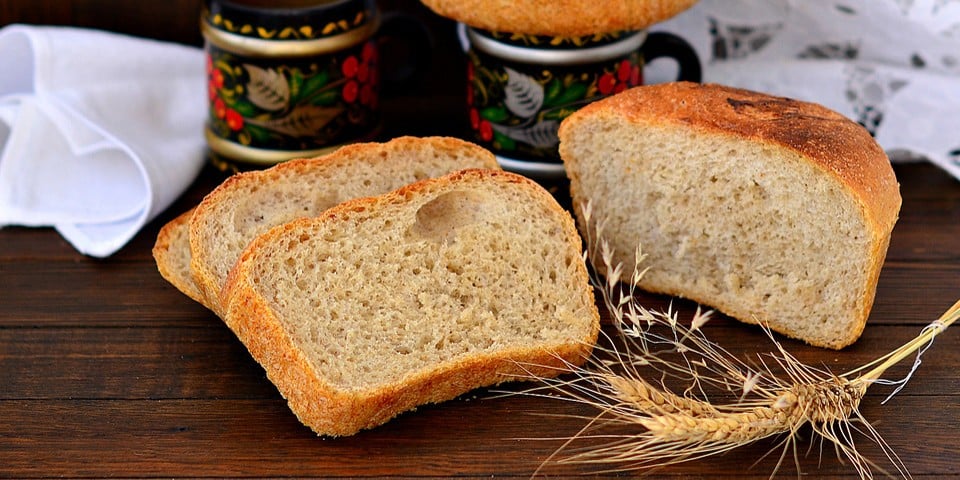
Biga bread, which translates to “chariot,” is a regional specialty in Trieste. It’s made with flour, water, and yeast in a ratio that creates a rather dry result. It has a semicircular shape with a small crack at the top.
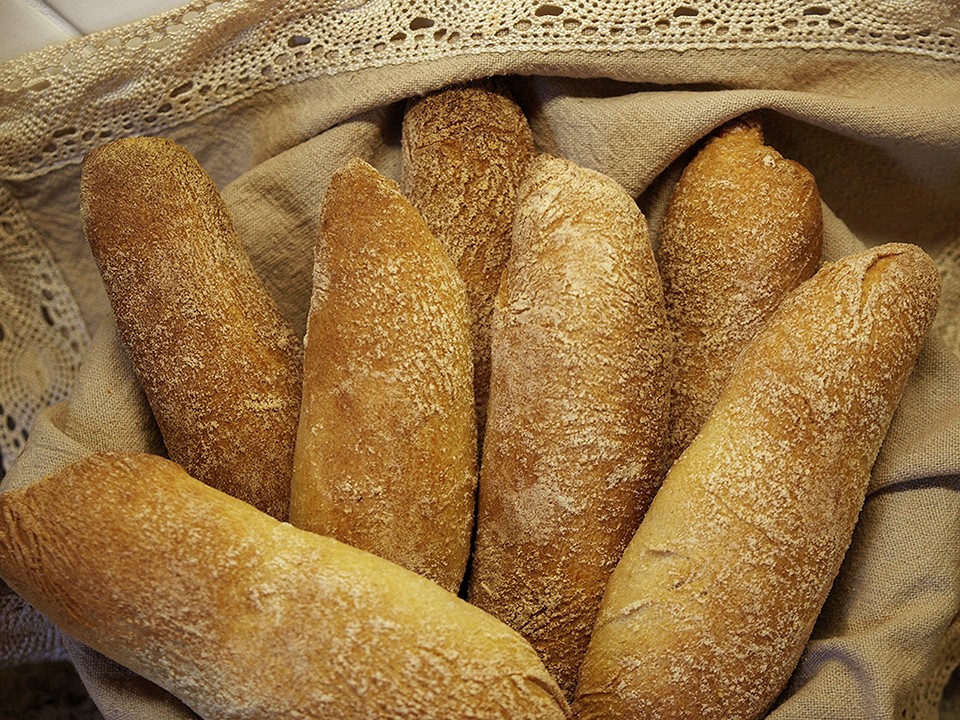
In the province of Udine, you’ll find the traditional Grispolenta. These rustic breadsticks are about 6 inches (15 cm) long and as thick as a thumb. The dough contains cornmeal, wheat flour, water, olive oil, pork fat, starter, and salt. The corn flour gives it a pleasant aroma and crumbly texture.
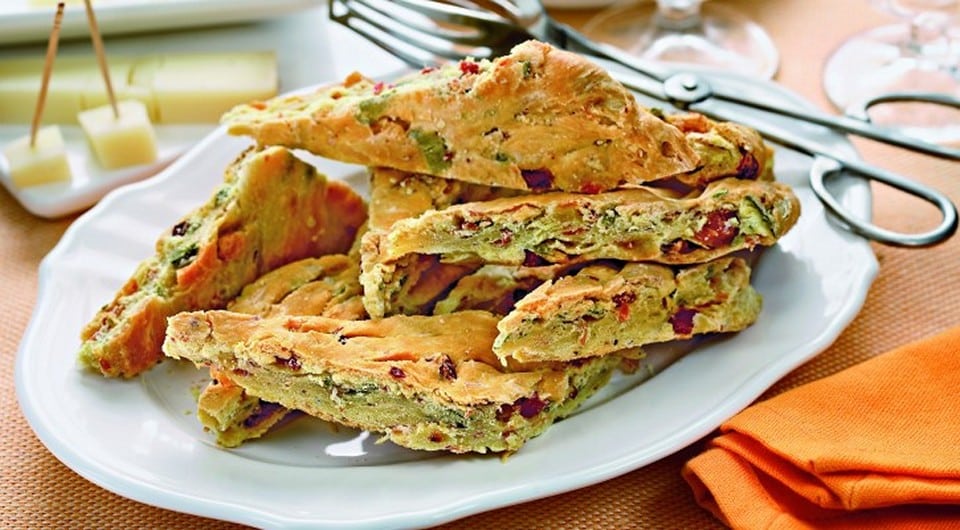
Pan de Frizze is a wintertime favorite in Friuli. Made with wheat flour, eggs, cracklings, pork fat, salt, and yeast, it resembles a flatbread stuffed with savory fillings. It’s especially popular in rural farming communities.
Umbria
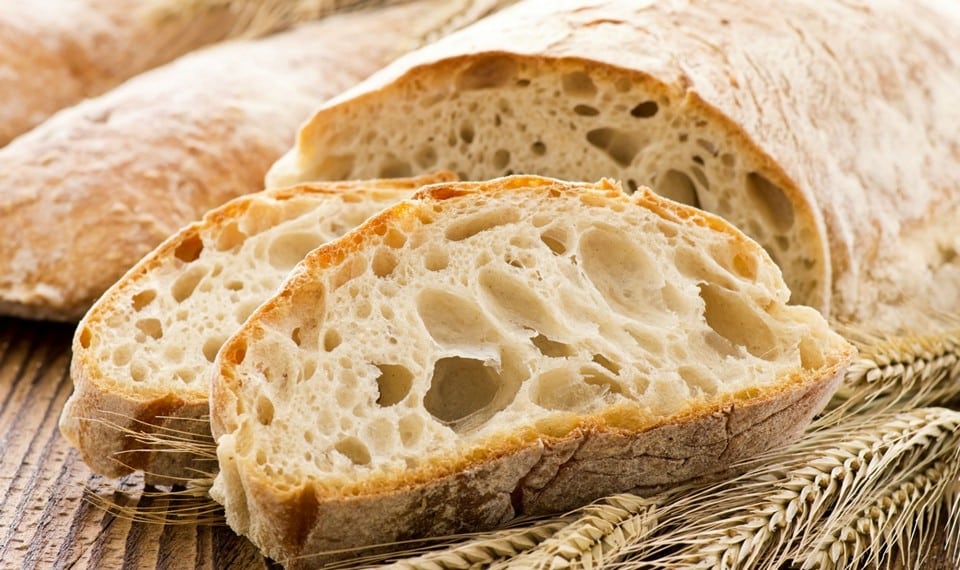
Pane di Terni is produced throughout the region of Umbria. It’s made from wheat flour, water, salt, and a mix of yeast types. The loaves are oval or round in shape and typically weigh around 1.75 lbs (800 g). It’s widely known as a quintessential “homestyle” bread.
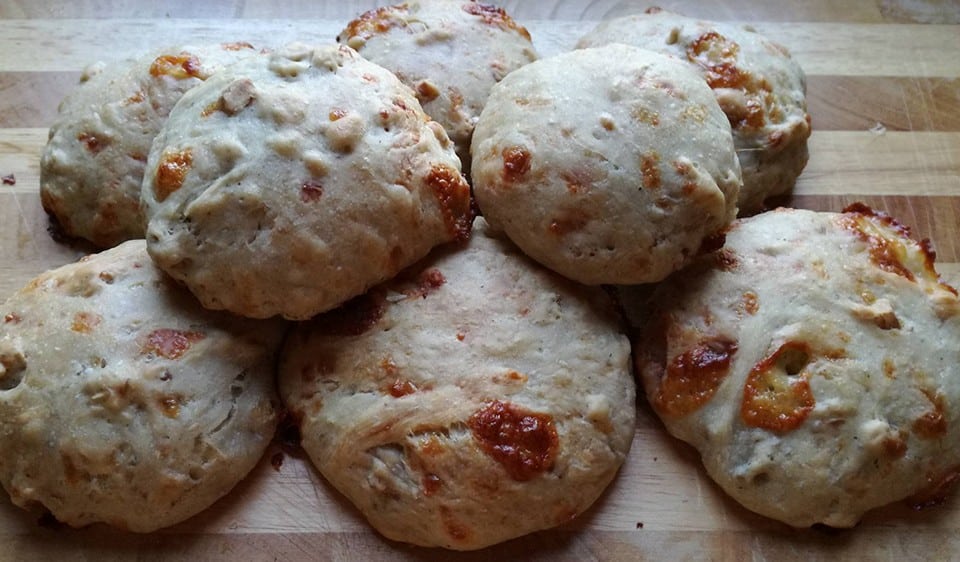
Pan Caciato is a cheese-based bread, a true gem of traditional Italian baking. Alongside flour, yeast, and water, the dough includes olive oil, Pecorino cheese, walnuts, and raisins. Once the dough rises, it’s divided into 1.4 lb (650 g) portions, left to rest, and baked. The flavor marries savory cheese with the sweet undertone of raisins.
Emilia-Romagna
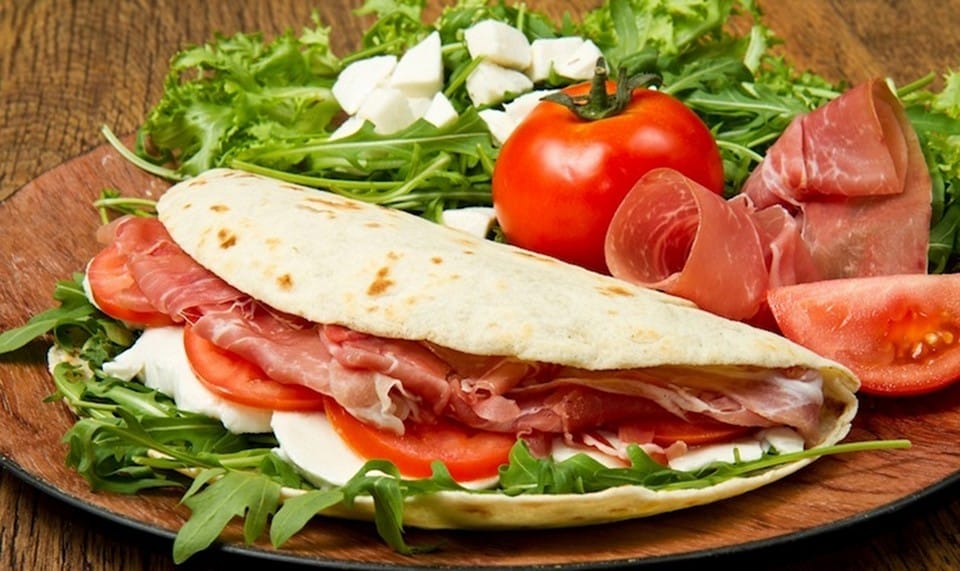
One of the most iconic baked goods of Emilia-Romagna is undoubtedly the Piadina Romagnola (IGP-certified). It’s made from wheat flour, water, and salt. The dough is kneaded by hand and rolled flat with a rolling pin. Some versions include oil or pork fat. Traditionally, it’s cooked on stone plates. The resulting flatbread is 6–12 inches (15–30 cm) in diameter and 0.1–0.3 inches (3–8 mm) thick. Stuffed with ham or salami, piadina is a classic Italian street snack.
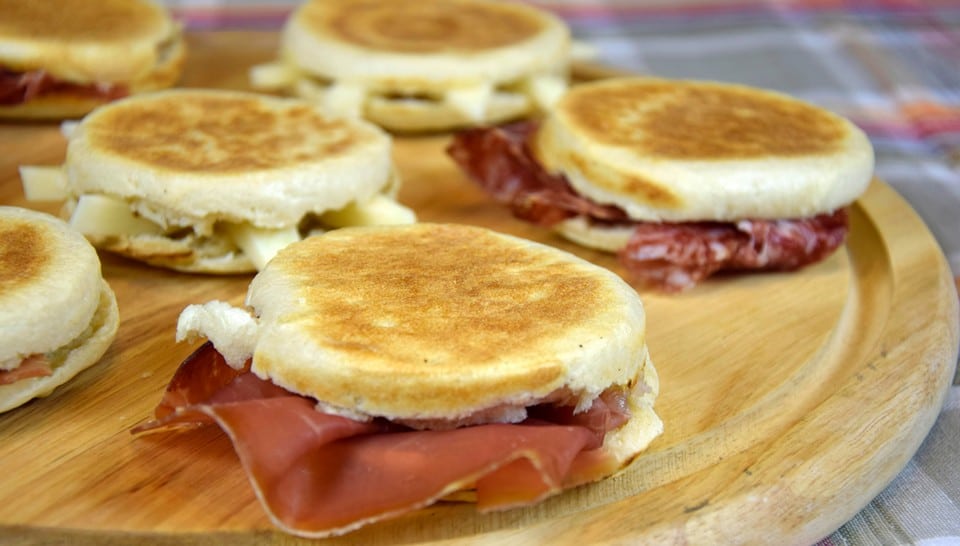
Tigella Modenese, a specialty of the Modena province, is made with flour, water, and salt. It’s uniquely baked in special press molds that imprint beautiful designs onto each round. The buns are small, about 6 inches (15 cm) in diameter and 0.6 inches (1.5 cm) thick. They are often served in taverns as a second course.
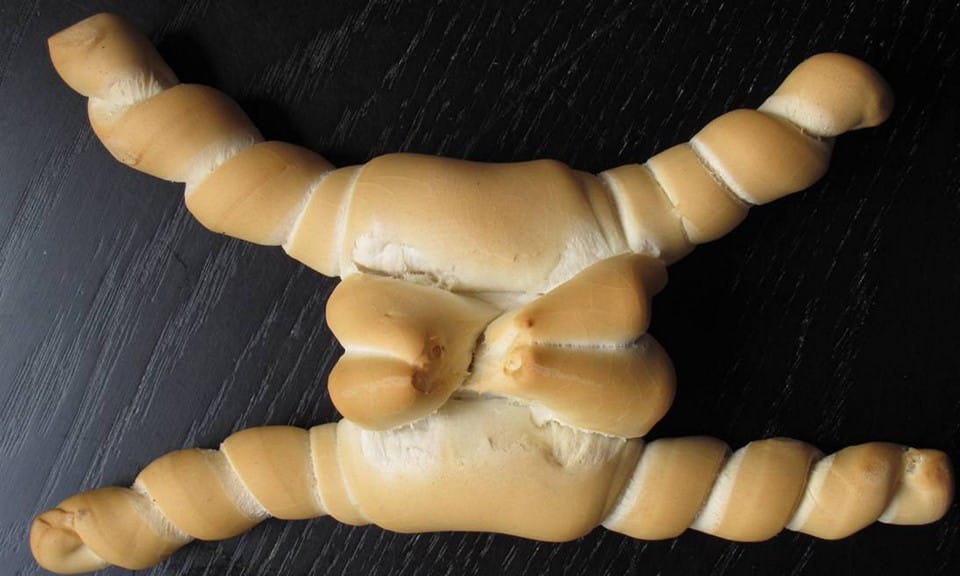
Coppia Ferrarese is a bread from the province of Ferrara. Its name, meaning “pair,” refers to its twisted rope-like shape that appears to join two loaves together. It earned IGP status in 2004. The dough includes flour, pork lard, olive oil, starter, salt, and malt. Finished loaves weigh between 3–9 oz (80–250 g). With a crisp crust and tender center, Coppia is ideal for sopping up sauces during hearty Italian meals.
After traveling through each region of the republic, our journey through Italian bread comes to a close. Italian bread is far more than just baked dough—it’s a brilliant way to win the heart of any visitor, forever.