 Italy for me From Italy with love


The whole truth about Spaghetti Bolognese, Fettuccine Alfredo, and other non-Italian dishes that are traditionally considered to be creations of Italian chefs worldwide. And beware of the chicken…
It’s a well-known fact: Italy has the best food in the world. This isn’t about dismissing professional chefs of other nationalities or die-hard fans of other types of cuisine. However, in an imaginary match of “Italy VS The Rest of the World,” it’s hard to find a recipe that can compete with a plate of perfectly prepared seafood spaghetti or a classic creamy risotto.
If this statement—absolute, arrogant, yet undeniable—is true, then it’s worth debunking all the misconceptions about Italian food and recipes that are not actually Italian. By the end of this article, you may come to hate its author. But you will also leave with a deeper understanding of the authentic Italian dishes and the rich culinary heritage they represent.
Page Contents
Spaghetti and Meatballs
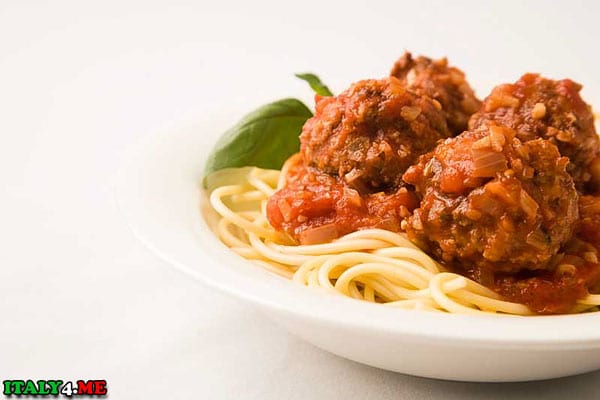
While we all remember the scene from *Lady and the Tramp* and have seen Catherine Scorsese cook spaghetti and meatballs for her beloved son Martin, this dish doesn’t exist in Italy.
Italian-American traditions gave rise to the myth that this combination has Italian origins, but that’s not true. In Italy, there is a sauce with meatballs (and it’s not eaten with spaghetti). Sometimes small meatballs can be found in lasagna (although they are much smaller in size), but rest assured, no Italian family will invite you over for spaghetti and meatballs on a Saturday night.
Spaghetti Bolognese
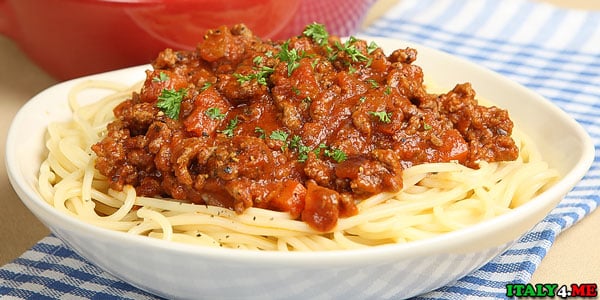
A similar situation. Bolognese sauce, or *ragù alla bolognese* is a traditional sauce from Bologna made with tomato sauce and ground meat. And calling the cooking process long would be an understatement—we’re talking about many hours of simmering. But no resident of Bologna, or Emilia-Romagna, or any Italian for that matter, would eat ragù with any pasta other than tagliatelle, pappardelle, or cappelletti. At most, short pasta tubes like strozzapreti. But spaghetti? Sorry, no.
Fettuccine Alfredo
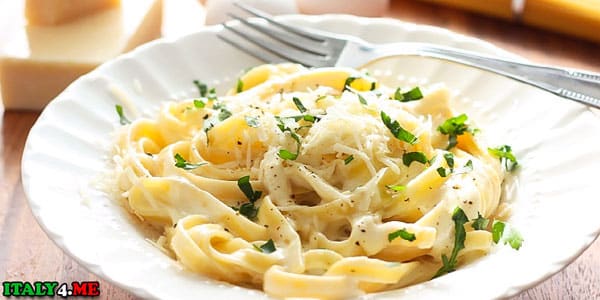
This is actually an amusing story about an “Italian” dish that doesn’t exist in Italy. One of the world’s most popular pasta sauces is virtually unknown in Italy. There isn’t even an Italian Wikipedia page for it. However, there’s an English version that claims fettuccine was “created” by Roman restaurateur Alfredo di Lelio. Why not?
But a small clarification: traditionally, pasta with butter and Parmesan cheese is only eaten in the following situations: when you have a stomach ache, are in the hospital, have an empty fridge, or if you have some sage and are eating tortellini.
Pepperoni Pizza
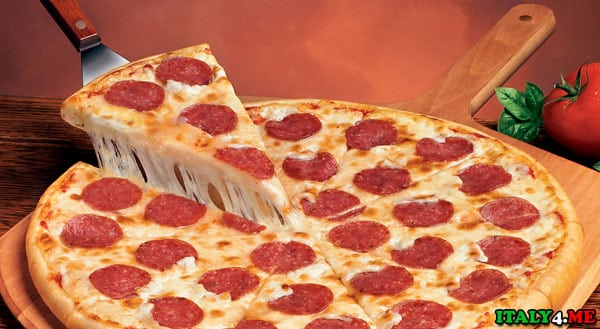
If you visit Naples and ask for Pepperoni pizza (and if your waiter is slightly hard of hearing), you’ll likely get a pizza with bell peppers. That’s because, in Italian, the word *pepperoni* sounds almost identical to *pepperoni*, meaning “bell peppers.” In Italy, there is no type of salami called pepperoni. If you want to order something similar, ask for pizza with sausage (*con salsiccia*), spicy (*alla diavola*), or spicy salami (*con salame piccante*).
Pineapple Pizza
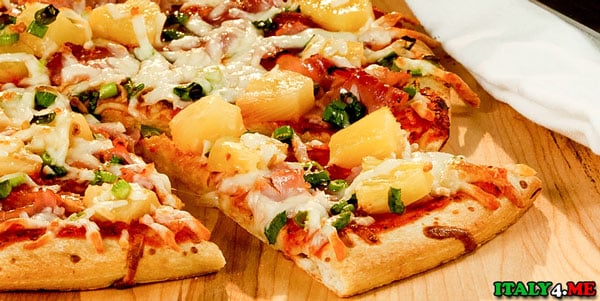
Same story here. And as everyone knows, pineapple is a “commonly grown” fruit in Italy.
Marinara Sauce
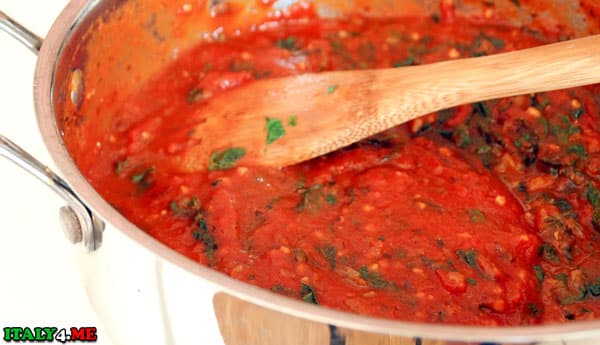
What is proudly called Marinara Sauce abroad is probably just a simple tomato sauce in Italy, used for pizza, pasta, and so on. Except without garlic, onions, or any herbs other than fresh basil. The only “Marinara” known in Italy is Pizza Marinara, which is made in Naples. It’s a pizza without mozzarella, made with just tomato, garlic, oregano, and olive oil. Is this where the widespread mistake of adding oregano to tomato sauce comes from? Never do that!
Neapolitan Sauce
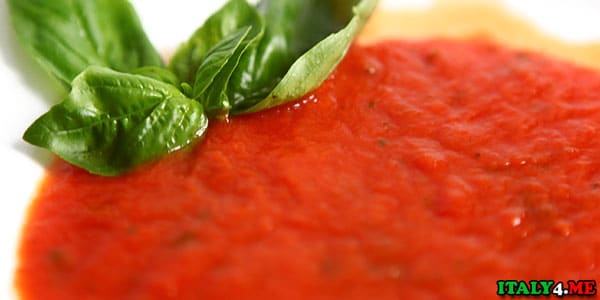
Again, nobody in Italy knows what Neapolitan Sauce is. In Italy, there are many variations of tomato sauce depending on the region and family traditions (with or without garlic, onions, carrots, or sugar to reduce acidity). In general, tomato sauce is simply called *salsa* or *sugo*, depending on whether you’re north or south of Rome.
Garlic Bread
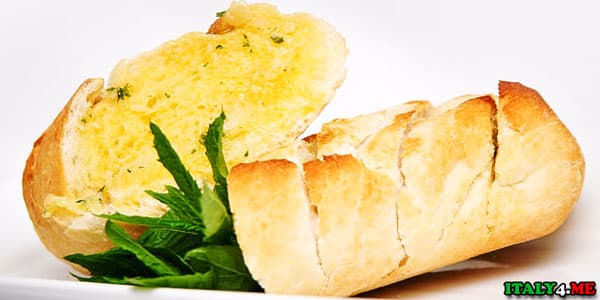
Garlic bread with butter? Not a chance. No Italian restaurant will serve this, and no bakery will sell it. Instead, ask for *bruschetta* with fresh tomatoes or bruschetta rubbed with garlic and drizzled with olive oil.
Learn more about types of bread in Italy.
Carbonara
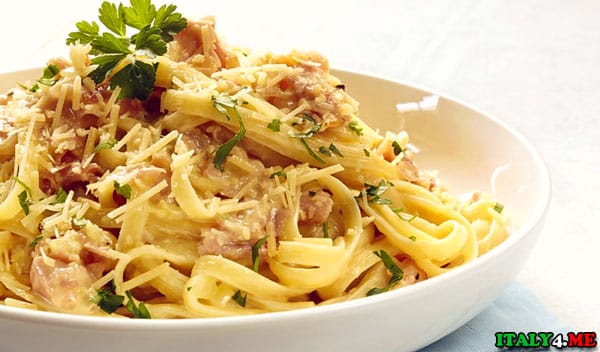
If your boyfriend makes carbonara with pancetta instead of guanciale (pork jowl), you might want to reconsider the relationship. You can add the following:
- If your boyfriend makes carbonara with cream, dump him.
- If your boyfriend makes carbonara with garlic, dump him.
- If your boyfriend makes carbonara with yogurt, dump him.
- If your boyfriend makes carbonara with parsley, dump him.
- Finally, if your boyfriend makes carbonara with onions, dump him.
- And if your boyfriend buys a jar of “pre-made” carbonara sauce, get a restraining order.
Italian Wedding Soup
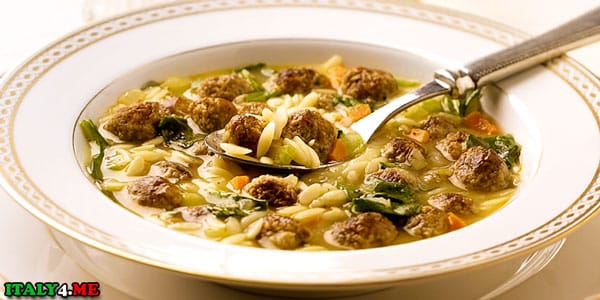
Here we go: in the region of Campania, there’s a tradition of making a soup with leafy greens and meat, usually pork, during Christmas or Easter. But don’t try to order it out of season or at a restaurant in Rome or Venice—you’ll only confuse the waiter.
If you really want it, order it correctly: Minestra Maritata (literally “married soup” in Neapolitan Italian), also called “wedding soup.”
Learn more about the 10 must-try Roman dishes.
Chicken Pasta
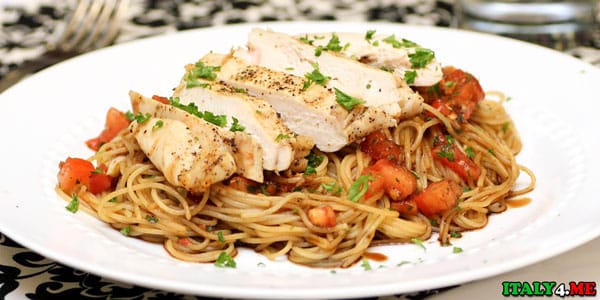
Chicken is not a topping. Pasta is not a side dish. End of discussion.
Chicken or Veal Parmigiana
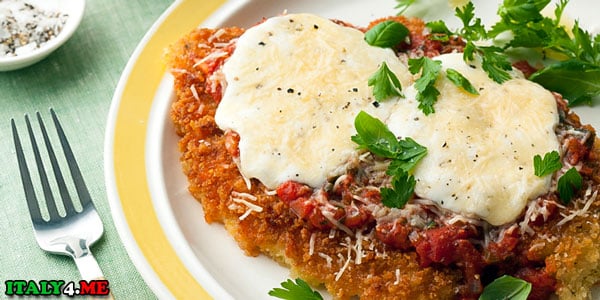
Parmigiana is made with eggplant, tomatoes, caciocavallo cheese, and basil. No chicken, no veal. In some regions of Italy, layers of eggplant are alternated with ham or beaten eggs just to make it more digestible.
Pesto Sauce
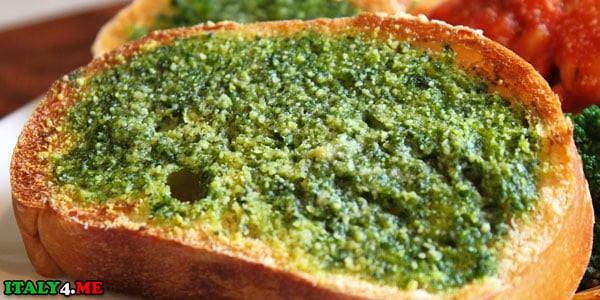
Pesto is used only as an addition to pasta, mushrooms, and in béchamel sauce for lasagna. The only Ligurian twist you can allow yourself is to add diced potatoes and green beans to the boiling water with your pasta. Beware of those who use pesto with salads, bruschetta, chicken, or anything else.
Italian Dressing
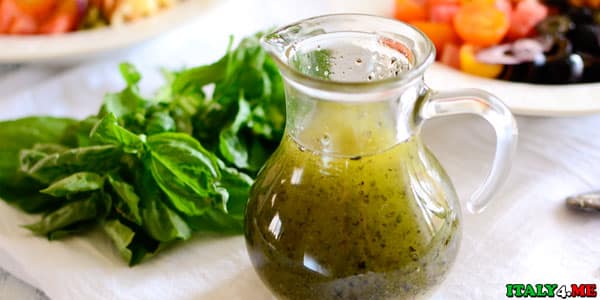
Salads are dressed with extra virgin olive oil, salt, and wine vinegar; extra virgin olive oil, salt, and balsamic vinegar; or extra virgin olive oil, salt, and lemon. All other dressings are not Italian.
Parmesan on Everything
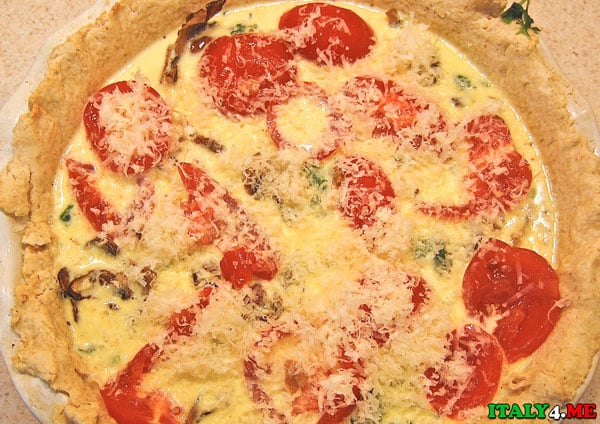
Don’t sprinkle Parmesan on the pizza you ordered at a restaurant (the chef has already taken care of that). And never add it to pasta with seafood.
Check out the report from a Parmesan production facility.