 Italy for me From Italy with love

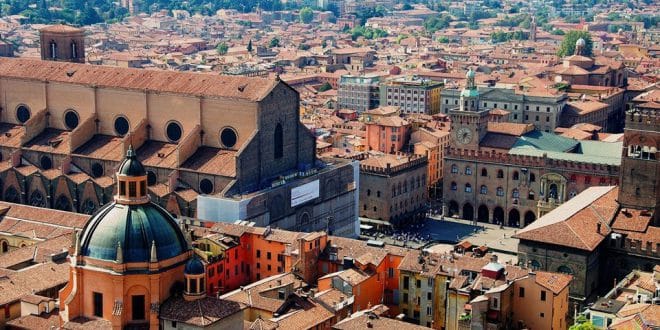
Bologna is home to the oldest active university in Europe, a vast network of covered porticoes stretching over 25 miles (40 kilometers), and the fifth-largest church in the world. Visitors can step into the historic anatomical theater, where dissections were performed in front of the public nearly a thousand years ago.
One of the city’s churches houses an organ once played by Mozart and an icon believed to have been painted by the hand of the Apostle Luke.
Page Contents
History of the City
The city of Bologna lies 193 miles (310 km) north of Rome, at the base of the Northern Apennines (Appennino settentrionale). On the map, it’s located at latitude 44°30 N and longitude 11°21 E. According to legend, the city was founded in the 6th century BCE by the Etruscan king Fero, who named it Felsina after his daughter.
Thanks to its strategic location, fertile soil, and thriving trade, the settlement flourished rapidly. It was later conquered by the Boii, a Celtic tribe, who renamed the city Bononia—a name that gradually evolved into Bologna.
When the Boii were ultimately defeated by the Romans in 191 BCE, the former Felsina was absorbed into the Roman Empire. Just three years later, the Romans built a major road through the heart of the city, connecting Bononia to other parts of Italy. What followed was a dramatic cycle of conquests, fires, rebuildings, sieges, and destruction. The city endured the fall of the Roman Empire, the fragmentation and reformation of European states, the persecution of Christianity, and its eventual resurgence.
University of Bologna
The most renowned landmark in Bologna is its university (Università di Bologna), located on Via Giacomo Venezian. The university’s main building, which houses the rector’s office, is at number thirteen.
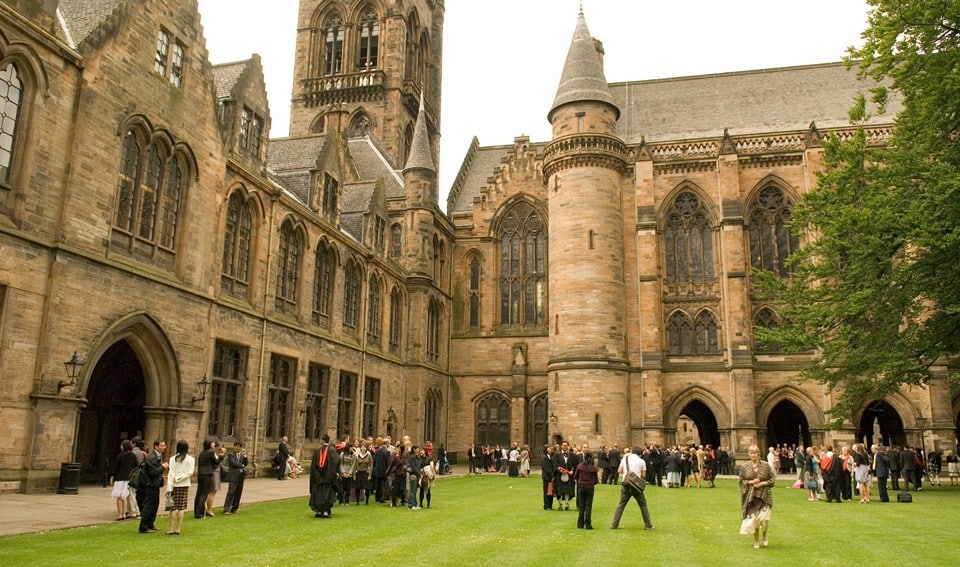
The University of Bologna was founded in 1088, making it the oldest university in continuous operation in Europe. Though Morocco’s Al-Qarawiyyin predates it by two centuries, Bologna holds the distinction of being the first to issue formal academic degrees.
Remarkably, in its early years, students had the right to elect their deans and were responsible for paying professors, which gave them considerable independence. It’s no surprise that intellectual giants like Nicolaus Copernicus, Albrecht Dürer, and Carlo Goldoni studied here. The university’s first female professor was the daughter of the jurist Accursio, who, like her father, taught law—a pioneering role in the 13th century.
Initially, Università di Bologna focused on rhetoric and Roman law, but by the 14th century, it had expanded to include theology and medicine. Today, the university boasts 23 departments and enrolls around 90,000 students.
Recommended reading:
- Where to Stay in Central Bologna
- Best Hostels in Bologna – Budget-friendly accommodations
Public Squares
Bologna’s two main adjoining public squares form the city’s social and architectural heart. These are the central Piazza Maggiore and the angular Piazza del Nettuno. Surrounding them are some of Bologna’s most important civic buildings, museums, palaces, and churches.
Piazza Maggiore
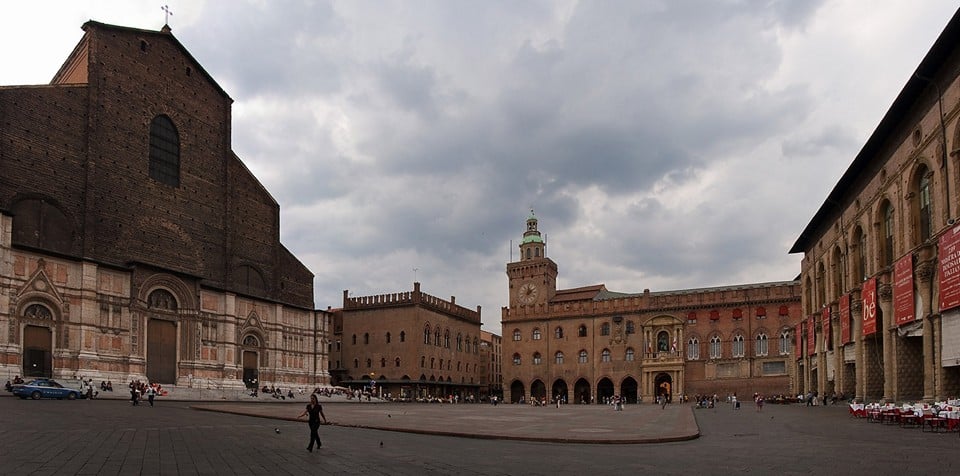
Piazza Maggiore is Bologna’s main square, measuring 377 feet long and 197 feet wide. Until 1877, it was home to the city’s central market. It also hosts the city’s most important administrative buildings—Palazzo del Podestà and Palazzo Comunale (also called Palazzo Pubblico). Facing the square is the city’s largest church, the Basilica of San Petronio.
Piazza del Nettuno
This square is named after its iconic Fountain of Neptune, installed in the 16th century and topped by a striking statue of the Roman sea god. Local students believe walking counterclockwise around the fountain twice can bring exam success. This quirky tradition is said to have originated with the statue’s creator, Giambologna, as he sought creative inspiration. 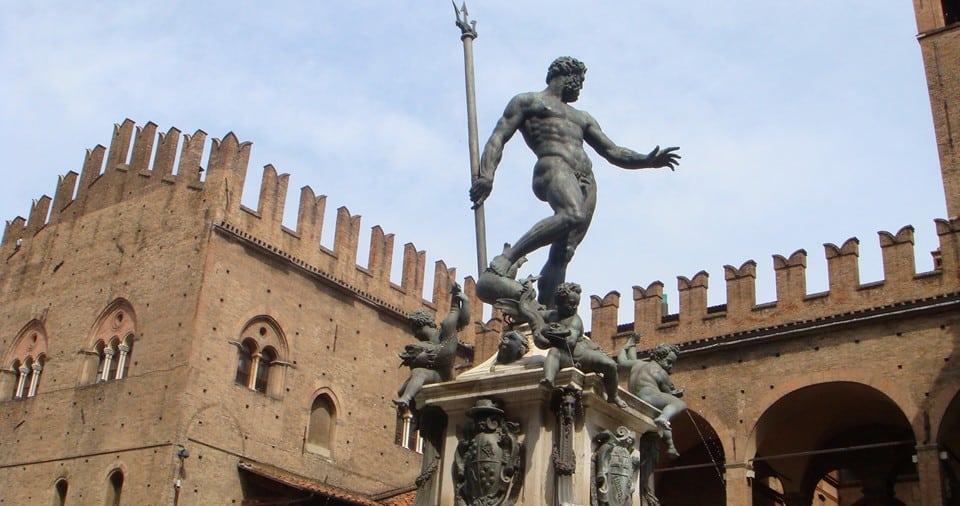
The square is home to Palazzo di Re Enzo, where King Enzo of Sardinia was held prisoner from 1249 until his death in 1272.
Legend holds that King Enzo fathered a son with a local woman; this child founded the Bentivoglio family, which later ruled Bologna in the late 15th century. Today, the palace contains the Chapel of the Madonna of the Prisoners, the city archives, a medieval courtroom, and restored prison cells.
Churches
Bologna boasts numerous historic churches, each rich with character. The Basilica of San Petronio was initially intended to surpass even St. Peter’s Basilica in Vatican City before the Pope intervened. Mozart once played the organ in the Basilica of San Domenico, and the Sanctuary of the Madonna di San Luca—home to a sacred icon believed to be painted by the apostle Luke—is accessed via the world’s longest covered arcade, stretching nearly 2.5 miles.
Basilica of San Petronio
Located at the southern edge of Piazza Maggiore, the Basilica of San Petronio is one of Bologna’s most iconic churches. Construction of this Gothic masterpiece began in the 14th century—not under papal direction, but as a civic project showcasing Bologna’s independence and pride.
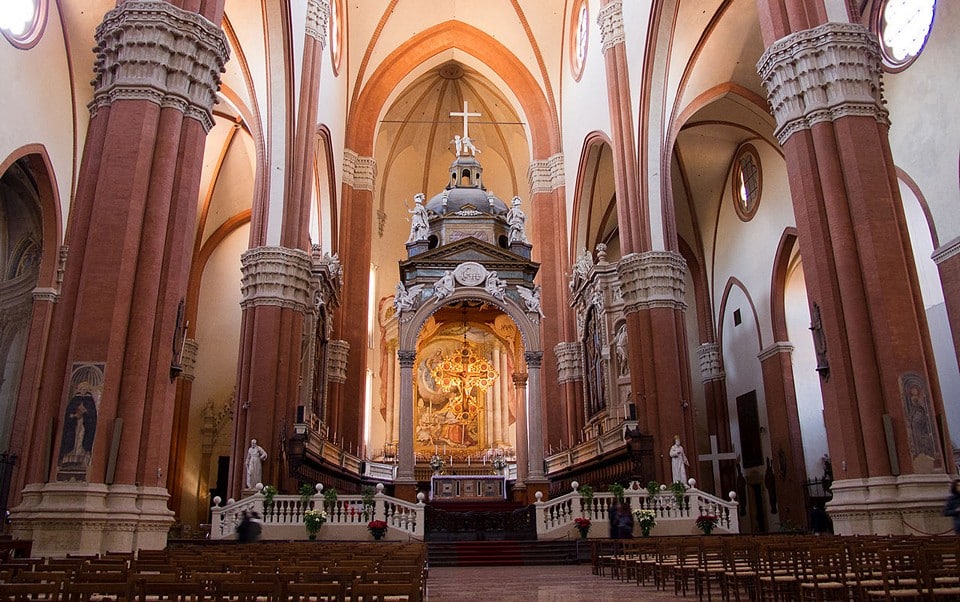
Originally planned to be larger than St. Peter’s Basilica in Rome, its ambitious dimensions—682 feet in length and 466 feet in width—required demolishing several towers, homes, and smaller churches. Papal intervention ultimately scaled back the plan.
Final dimensions include:
- Length: 433 feet
- Width: 197 feet
- Nave height: 148 feet
- Unfinished façade height: 167 feet
Construction spanned nearly 300 years, concluding in 1663. It’s considered the last major Italian church built in the shape of a Latin cross.
Today, San Petronio is the fifth-largest Catholic church in the world. It houses Italy’s oldest functioning organ (built in 1475) and a monumental meridian line designed by Giovanni Domenico Cassini to demonstrate Earth’s rotation around the Sun. Zodiac signs mark the floor along the line, and a rooftop aperture allows a sunbeam to track the calendar months.
Remarkably, this basilica remained municipal property for centuries, hosting not only religious services but also court proceedings, civic events, and town meetings. It was not transferred to the Church until 1929.
Church of San Stefano
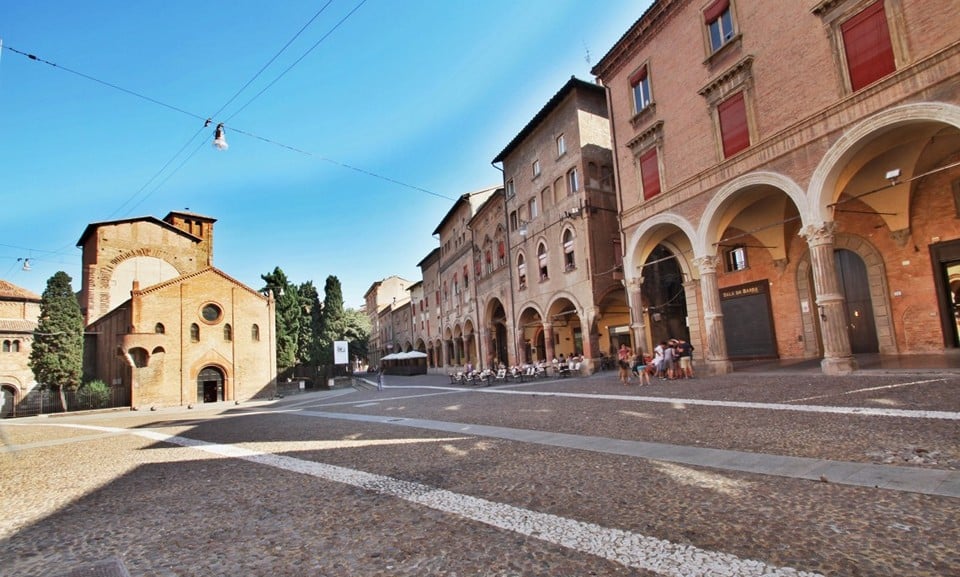
Located on Piazza Santo Stefano, the Basilica of San Stefano is part of the complex known as the “Seven Churches.” This historic group also includes:
- Church of the Crucifix (Chiesa del Crocifisso) – built in the 8th century
- Church of the Holy Sepulchre (Chiesa del San Sepolcro) – dating back to the 5th century
- Church of the Trinity (Chiesa della Trinità) – 13th century
- Basilica of Saints Vitalis and Agricola (Chiesa dei Santi Vitale e Agricola) – 4th–5th centuries
- Pilate’s Courtyard (Cortile di Pilato) – 13th century, symbolizing the place of Jesus’ judgment and featuring the “Pilate’s Basin”
- A monastery
Although built over different centuries, the churches share a consistent architectural style. San Stefano was especially significant for housing the relics of Saint Petronius for several centuries. In 2000, the relics were moved to the basilica named in his honor.
Basilica of San Domenico
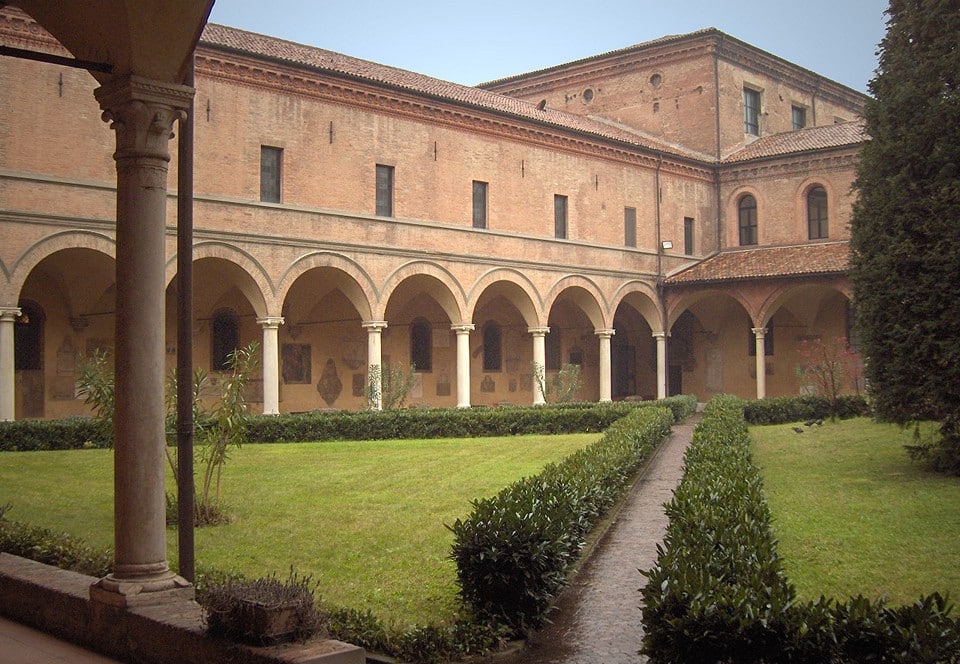
The Basilica of San Domenico (Basilica di San Domenico) stands on Piazza San Domenico.
Founded in 1221 by Domingo de Guzmán (Saint Dominic), the basilica was born of his deep conviction that Bologna’s vibrant city life was fertile ground for spreading his spiritual mission.
Though Saint Dominic passed away the same year construction began, his followers completed the basilica over the next two decades. As the Dominican friars were part of a mendicant order, the church’s exterior is made of brick, with a large stained glass window serving as its central feature. Over the centuries, the basilica has undergone several renovations. In 1530, a chapel was added to house the saint’s remains beneath a grand dome.
Inside the church stands a sculpted bust of Saint Dominic, created in 1946 as a faithful reconstruction based on his skull. The basilica’s organ also holds historical significance—Wolfgang Amadeus Mozart practiced here during the 18th century, honing his skill in sacred music.
Sanctuary of the Madonna di San Luca
The world’s longest covered portico leads to the Sanctuary of the Madonna di San Luca, a basilica perched atop a hill standing nearly 1,000 feet (300 meters) above Bologna.
The church dates back to the late 12th century. According to legend, it was built to house an icon of the Virgin Mary painted by the Apostle Luke and brought to Bologna by Greek pilgrims. Chronicles offer a different origin story: a noblewoman named Angelica Bonfantini became a hermit and donated her land for the construction of the sanctuary.
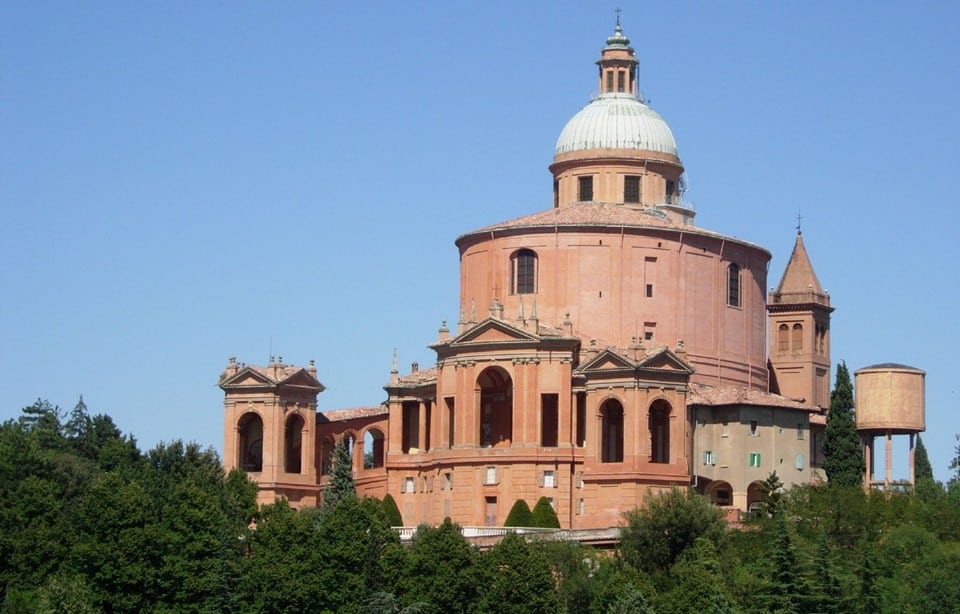
The climb to the sanctuary involves a scenic walk through the portico, stretching nearly 2.5 miles (4 kilometers), which connects the church to the city. The lower sections of the path are fairly easy, but as it ascends, steps appear and the incline steepens. Closer to the sanctuary, the gallery walls feature icons and plaques honoring the architects of each arch.
The portico consists of 666 arches—a number intentionally chosen to symbolize the devil. In Christian iconography, the Virgin Mary is often depicted crushing a serpent (a symbol of Satan) beneath her feet. The winding path evokes the defeated serpent lying at the foot of the Virgin’s church.
Another reason for the portico’s design was practical—it provides shelter for the many pilgrims who journey here, offering refuge from rain or the blazing sun.
Basilica of Santa Maria dei Servi
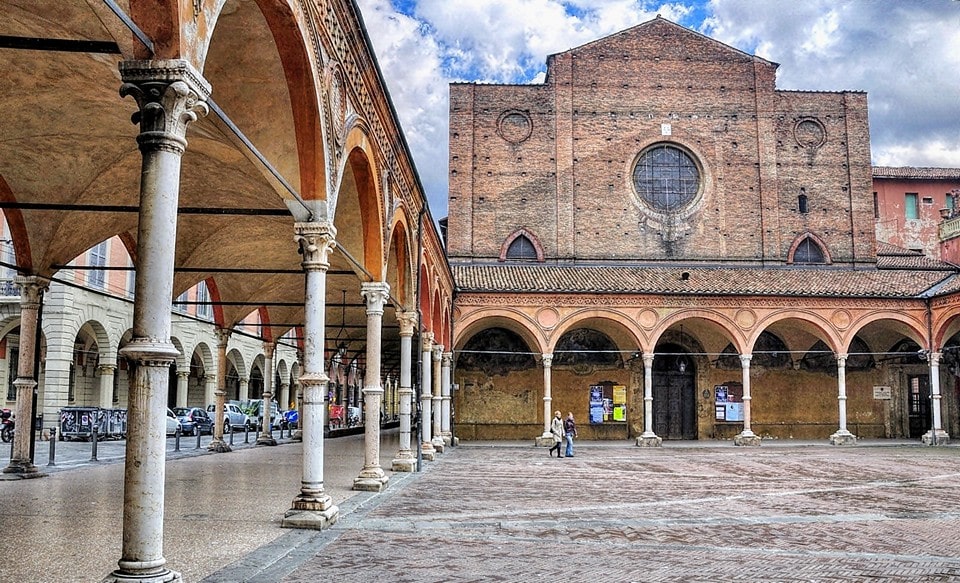
The Basilica di Santa Maria dei Servi is located at Strada Maggiore 43. Modest in size, the church is 328 feet long and 66 feet wide, built in the shape of a Latin cross.
Construction began in 1346 and was completed in the 15th century. While the brick façade is unassuming, the internal courtyard—reminiscent of early Christian architecture—is striking. Inside, visitors will find a marble altar by Giovanni Angelo Montorsoli, 14th-century frescoes, and one of Europe’s finest pipe organs.
Church of San Giacomo Maggiore
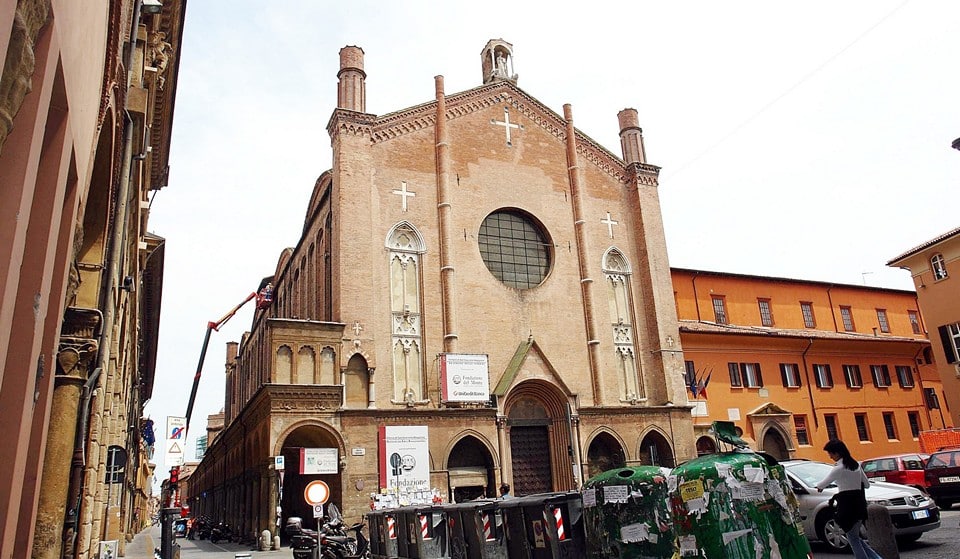
The Church of San Giacomo Maggiore (Chiesa di San Giacomo Maggiore) is located at via Zamboni 15. Construction began in 1267 by Augustinian monks and took 80 years to complete. Over the centuries, the church underwent several additions, including a bell tower in the late 15th century, a portico, and the Chapel of Saint Cecilia.
The western façade is the best preserved and still features a niche with a sculpture of Christ. To the left of the altar is the Bentivoglio Chapel, founded by the son of King Enzo of Sardinia. It’s adorned with masterpieces by Lorenzo Costa, including “Madonna Enthroned with the Bentivoglio Family,” “Triumph of Death and Glory,” and “Vision of the Apocalypse.”
Cathedral of Saint Peter
The Cathedral of Saint Peter (Cattedrale di San Pietro) is renowned for its towering bell tower, which rises 230 feet (70 meters) high. The cathedral houses more than twenty bells, with the largest—affectionately called “Grandmother”—weighing in at over three tons.
The cathedral is located at via Indipendenza 7, just 300 feet from Piazza Maggiore. The earliest records of this church date back to the 10th century. Two centuries later, the building was destroyed by fire but subsequently rebuilt with the addition of a bell tower and a crypt. After suffering earthquake damage in the 12th century, it was again restored.
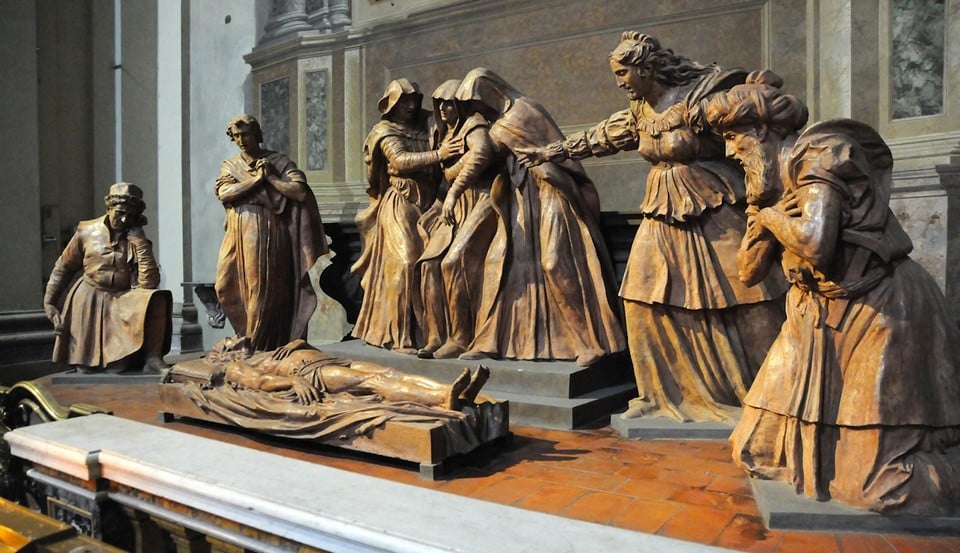
The cathedral underwent several reconstructions, with the most significant renovations completed in the mid-18th century. This evolution produced a harmonious blend of Gothic, Romanesque, and Baroque styles. The interior features works by Prospero Fontana, Ludovico Carracci, and Alfonso Lombardi, and the cathedral also houses a treasure museum filled with sacred objects donated over the last 500 years by prominent figures.
Museums
History buffs will find plenty to explore in Bologna, from medieval architecture and historic churches to museums offering deep insight into the city’s past, including the Middle Ages and the Renaissance. Some exhibits even date back to the 6th century BC, showcasing ancient funerary artifacts and confirming Bologna’s deep historical roots.
National Art Gallery (Pinacoteca Nazionale)
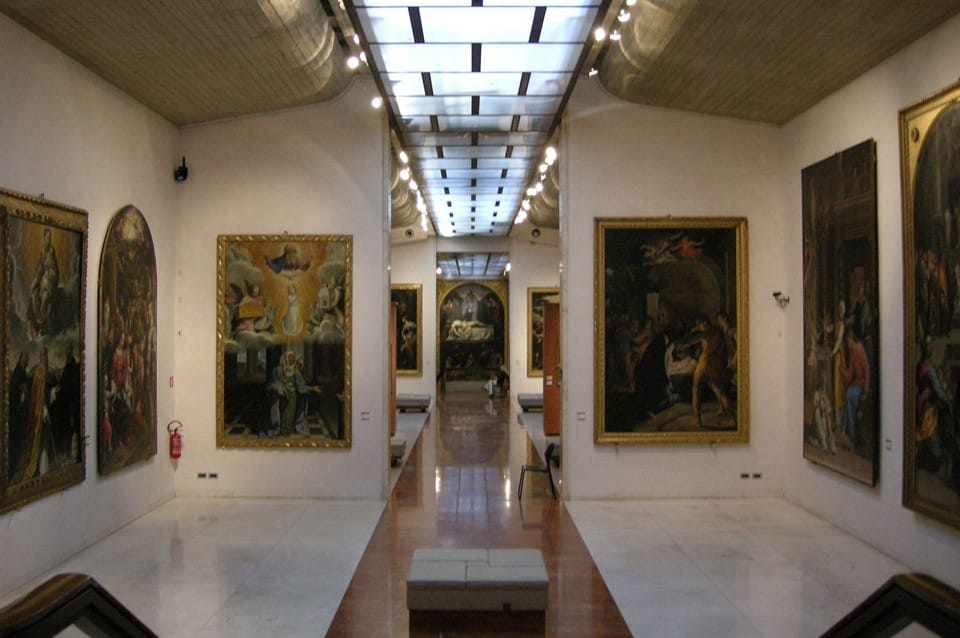
The Pinacoteca Nazionale di Bologna, located at via Belle Arti 56, is housed in a former Jesuit convent and showcases a collection of Italian art from the 13th to 19th centuries.
The idea for the gallery came from future Pope Benedict XIV, who initiated its formation in 1762 to preserve valuable altar paintings. Within twenty years, more than 1,000 artworks by renowned Italian masters had been collected. Notable works include pieces by Raphael (Raffaello Santi), Annibale Carracci, and Lorenzo Costa.
Following the fall of papal authority in 1796 and the rise of the republic, many artworks were seized from churches and monasteries. In 1802, the Pinacoteca officially opened to the public at Via delle Belle Arti, 56. Since then, the collection has steadily grown through acquisitions and donations, making it one of Italy’s premier fine art museums.
Archiginnasio
Just a short walk from the main administration building of the University of Bologna, you’ll find its first historic complex—the Biblioteca Comunale dell’Archiginnasio. This building houses the Archiginnasio, one of the largest libraries in Europe. Address: Palazzo dell’Archiginnasio, Piazza Galvani, 1.
The Archiginnasio also contains one of Bologna’s most fascinating historical sites—the restored Anatomical Theater (Teatro Anatomico), where dissections were performed before curious onlookers as far back as the 17th century. The theater was founded in 1637 and offers an intriguing look at early medical education. 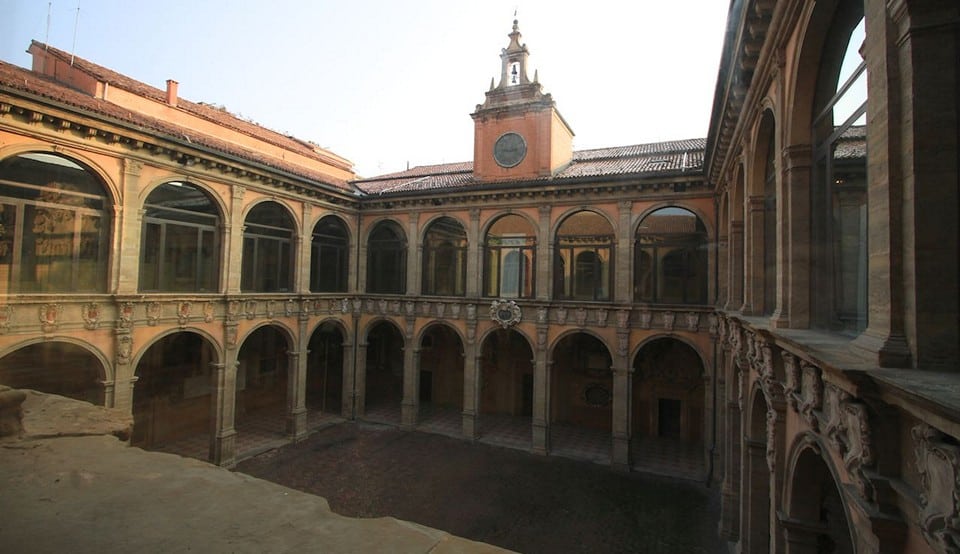
The room is amphitheater-shaped, paneled in wood, with tiered seating around the perimeter. The walls feature carved wooden statues of famed physicians, while the ceiling is decorated with constellations and Apollo, the patron of medicine.
At the center lies a marble dissection table once used for public autopsies. Today, the student benches are often filled by visitors watching theatrical re-creations of historical anatomy lessons.
Museo di Palazzo Poggi
The Palazzo Poggi Museum (Musei di Palazzo Poggi), located at via Zamboni, 33, is one of Bologna’s most compelling and unusual museums. 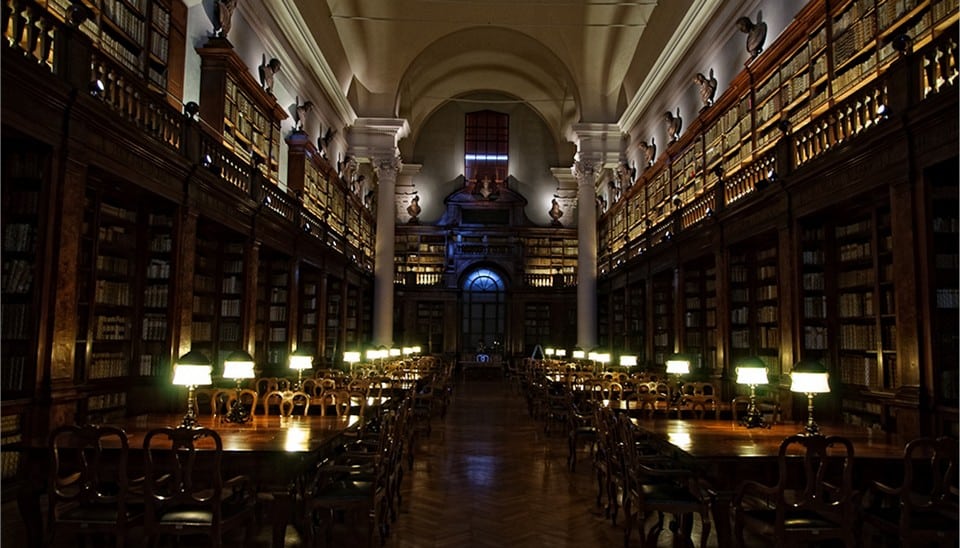
The museum’s first exhibit opened in 1721 in the former residence of Giovanni Poggi, a nobleman fascinated by science and exploration. Originally intended to chronicle discoveries in astronomy, the museum has since expanded its scope dramatically.
The Palazzo Poggi collection includes fossils, terrestrial and marine plants, minerals, and preserved marine creatures. Other galleries explore physics and astronomy, while a section devoted to maritime history features model ships and old maps.
Particularly captivating is the obstetrics section, which includes anatomical wax figures used to teach childbirth procedures and cross-sectional studies of human anatomy. 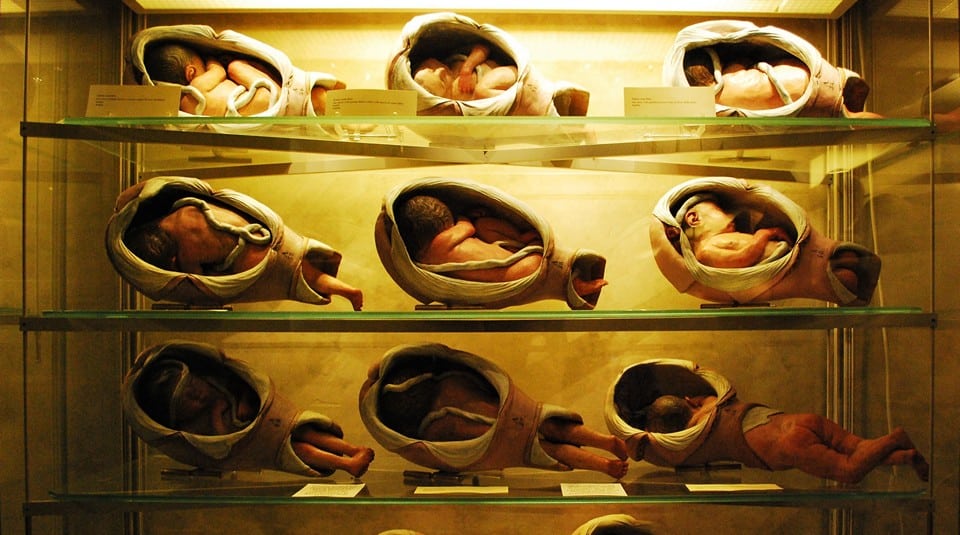
Among the most striking exhibits is a life-sized wax model of a woman in the final moments of life, her torso opened to reveal internal organs.
Visitors with children should be aware that some displays may be too graphic for young audiences.
Archaeological Museum
Many of the earliest artifacts from the ancient city of Felsina are housed in the Civic Archaeological Museum of Bologna (Museo Civico Archeologico di Bologna), located at via dell’Archiginnasio, 2. The museum was established following the discovery of ancient tombs near the Certosa cemetery and a necropolis unearthed during the creation of the Giardini Margherita park. 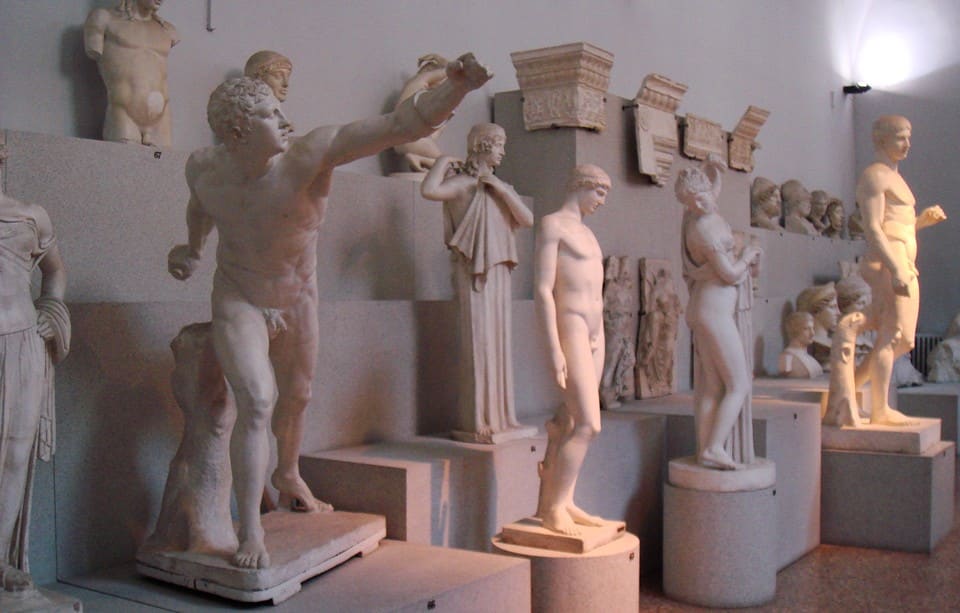
In the 1870s, Bologna’s first archaeological exhibits were displayed inside the Archiginnasio. A decade later, the city inaugurated the museum inside Palazzo Galvani.
The exhibits are arranged to guide visitors efficiently through a complete journey of Bologna’s history in a single visit.
Visitors can explore the region’s Etruscan, Gallic, Greek, and Roman past. The Egyptian collection features mummies and artifacts from ancient burial rites. A notable coin collection also traces the region’s long monetary history.
Medieval Museum
Housed in the Ghisilardi-Fava Palace on via Manzoni, 4, Bologna’s Medieval Museum (Museo Civico Medievale in Palazzo Ghisilardi) displays works from private collections once owned by the artist Palagi, Marquis Cospi, and General Marsili.
The museum features sculptures and paintings by medieval artists, including frescoes by Jacopo della Quercia. Intricate pieces in ivory, bronze, glass, and Carrara marble showcase the skilled craftsmanship of the era. The museum also contains armor, tombstones, medieval manuscripts, and a 13th-century fountain adorned with four Atlas statues.
One standout exhibit is the first-ever secular display of a papal sculpture—a statue of Pope Boniface VIII, commemorating his efforts to end the conflict between Ferrara and Bologna. Another highlight is a bronze bust of Mercury by Giambologna, created in honor of Austrian Emperor Maximilian II.
Villa Aldrovandi Mazzacorati
A unique museum dedicated to toy soldiers is housed in the elegant Villa Aldrovandi Mazzacorati, located at via Toscana, 19. The exhibit was established in 1974 by Mario Massaccesi and other enthusiasts, who decided to share their private collections with the public.
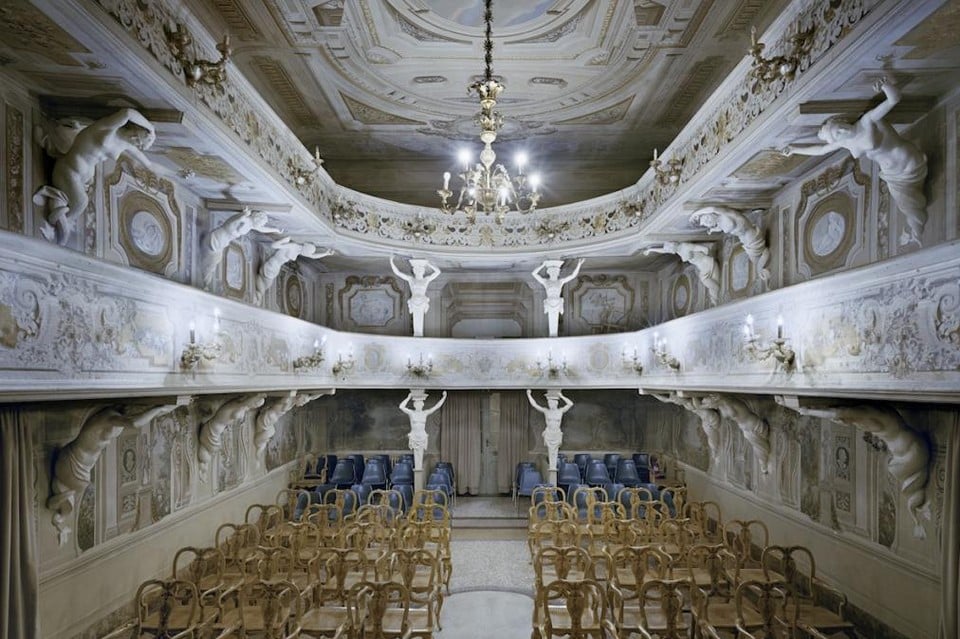
The museum’s collection includes 30,000 miniature soldiers, with 12,000 on display. Visitors can admire figures crafted from lead, tin, wood, cardboard, and plastic, along with meticulously recreated battle scenes, uniforms, and weaponry ranging from ancient times to the modern era.
Built in 1761, the villa is a fine example of neoclassical architecture. It features two tiers of balconies supported by caryatids, while siren sculptures adorn the main facade. A striking six-columned portico with a triangular pediment greets visitors at the entrance.
Casa Carducci
The Casa del Carducci, located at Piazza Carducci, 5, is a museum dedicated to Nobel Prize-winning poet Giosuè Carducci.
The home once belonged to the Carducci family, where the poet lived for 17 years. After his death, Queen Margherita of Savoy purchased the property and donated it to the city to be turned into a museum honoring the literary icon. Today, the museum houses a library of 40,000 manuscripts and books, along with personal belongings of Carducci.
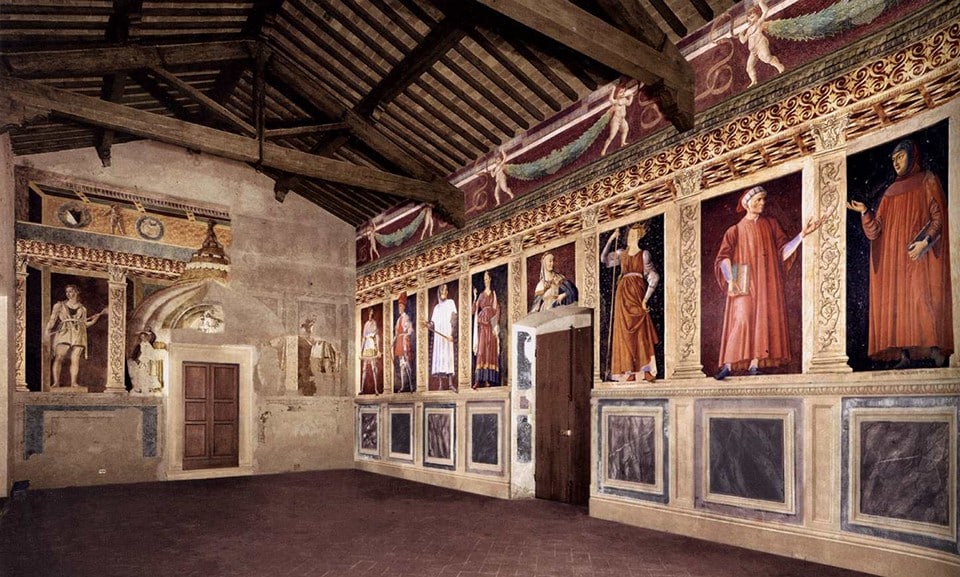
A spiral staircase leads to the second floor where the poet’s rooms have been preserved. Visitors can enjoy panoramic views of the surrounding ring road and the square named in his honor. The home is bordered by a sculpture-filled garden featuring statues of Carducci, a faun, and an allegorical figure of Liberty riding a dark horse.
On the ground floor, the museum also features a section dedicated to the Risorgimento—the Italian unification movement—displaying historic paintings, weapons, uniforms, flags, and original documents.
Walls and Towers
Bologna offers only a handful of preserved sites from its earliest history, and among them are the remnants of its original city walls and medieval towers. Interestingly, these towers were not just defensive structures, but also symbols of family wealth and power—especially during times of intense rivalries between noble families.
The Walls
Historians are uncertain about the exact date of the first city wall’s construction, but they generally agree it occurred sometime between the 6th and 8th centuries AD. The fortifications were built in stages, with some sections clearly more hastily assembled than others.
The walls were constructed using selenite (a form of gypsum) quarried from Mount Donato on Bologna’s southern edge, along with stones and rubble salvaged from earlier buildings. The original city wall reached heights of over 26 feet (8 meters) in some areas and was built without mortar. Today, portions of the first wall can be seen at the Archaeological Museum and along via Manzoni.
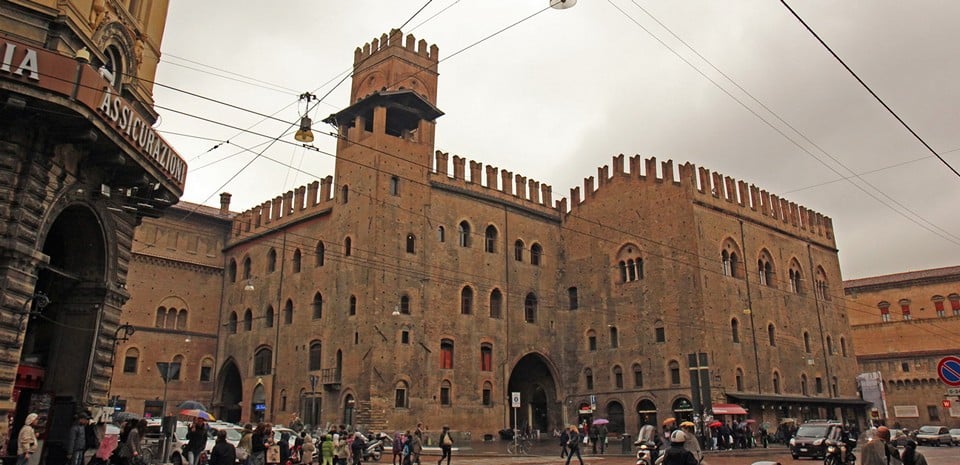
A second ring of defenses was constructed in the 12th century. Known as the Cerchia dei Torresotti, these fortifications stretched approximately 2.5 miles (4 km) and took two decades to complete. Unlike the first ring, which had only four gates, this second ring included eighteen, some of which—like Porta Piella, Torresotto San Vitale, and Porta Nova—still stand today.
A century later, a third and final defensive ring was added, referred to as the Cerchia dei Viali or simply the Circla. Initially made of wood, it was later replaced with a brick wall.
This final ring measured 3.7 miles (6 km) long and stood nearly 30 feet (9 meters) high, with twelve gates leading into the city. Though the walls were demolished in the early 20th century, ten of the original gates still remain. The route is now marked by a scenic ring road surrounding Bologna’s historic center.
The Two Leaning Towers
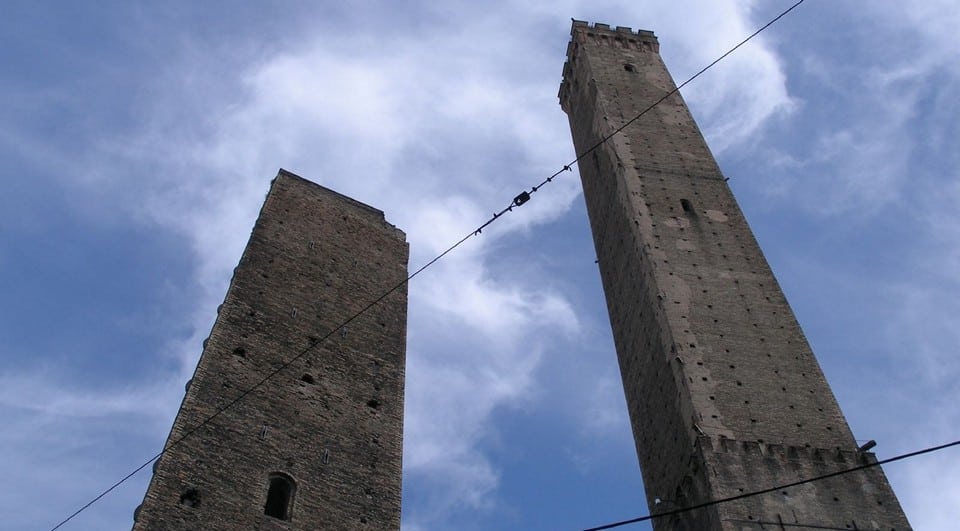
Perhaps Bologna’s most iconic landmarks are its famous leaning towers—the Torre degli Asinelli and Torre Garisenda—located just a few minutes’ walk from the Basilica of San Petronio.
Built only a few yards apart, the towers lean in different directions due to foundational miscalculations during construction in the 12th century.
At 319 feet (97.2 meters) tall, the Torre degli Asinelli is the tallest leaning tower in Italy, with a tilt of 7.2 feet (2.2 meters) at its summit. It has served various roles throughout history, including as a watchtower and even a prison. Today, visitors can climb its 498 wooden steps to reach the observation platform for sweeping views of Bologna.
Although only half as tall, the Torre Garisenda has a far more dramatic tilt—nearly 10 feet (3 meters). Originally built to a height of 197 feet (60 meters), the structure has been shortened three times due to safety concerns and now stands at 157 feet (48 meters). The tower is currently closed to the public for safety reasons.
Torre Azzoguidi
Just 300 feet (100 meters) from Piazza Maggiore stands Torre Azzoguidi, also known as Altabella (Torre Azzoguidi detta Altabella in Italian). The exact address is via Altabella, 15. The tower was built in the late 12th century by the Azzoguidi family, who played an active role in Bologna’s political scene.
At 200 feet (61 meters), Altabella is the second tallest tower in Bologna after the Asinelli Tower—but unlike its taller neighbor, this tower stands completely upright thanks to precise and balanced construction.
Given the exceptional thickness of its walls, scholars believe the tower may have originally been even taller. The base is constructed from selenite, and the entrance is a pointed arch framed by a decorative border carved from the same material.
Torre Prendiparte
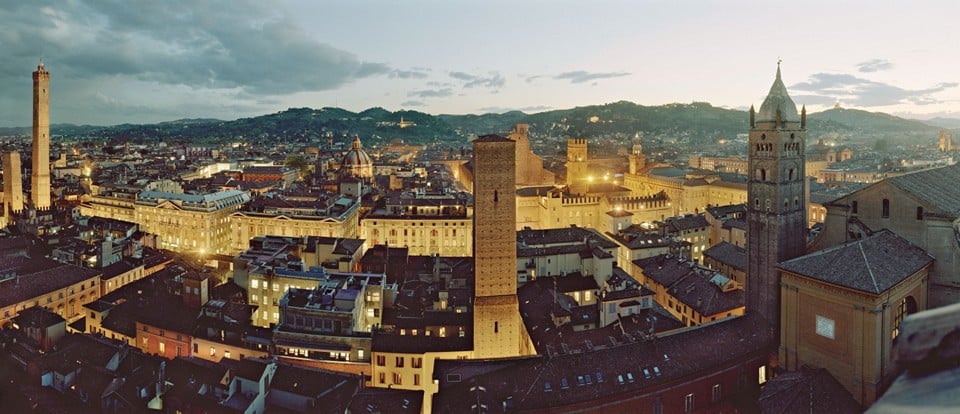
Torre Prendiparte, also known as Torre Coronata, is located about 650 feet (200 meters) from the main square. Address: Via Sant’Alò, 9. Today, the tower houses a boutique hotel.
Built from selenite blocks and classic Bolognese brick, the tower reaches 195 feet (59.5 meters) and contains twelve floors, which visitors can reach via a well-maintained staircase.
Constructed at the end of the 12th century by the influential Prendiparte family, the tower changed hands over the centuries—from the Fabruzzi family in the 15th century to the church in the 17th. In the 1700s, it was used as a prison for religious offenders. Visitors can still see graffiti etched into the walls by former inmates.
The name “Coronata” (Crowned) refers to the architectural crown-like projections located about 165 feet (50 meters) above ground level, giving the tower a distinctive silhouette.
For more, check out our guide to medieval towers in Bologna.
Palaces and Architecture
A traveler who wishes to explore all of Bologna’s palaces and architectural gems will need more than a day: every building here tells a story of the people who lived, created, conspired, were born, and died within its walls. Yet there are a few landmarks that every visitor simply must see.
Palazzo Comunale
Located in the heart of the city, the Palazzo Comunale (also known as Palazzo Pubblico) serves as Bologna’s town hall and stands at Piazza Maggiore, 6. The complex includes two structures – Palazzo d’Accursio and Palazzo del Legato.
The oldest part of the town hall is housed in Palazzo d’Accursio. The building is named after the law professor Francesco d’Accorso, whose residence was acquired by the city authorities at the end of the 13th century. Initially, it hosted offices for several municipal services and was used to store public grain. By 1336, however, the Elders of Bologna began meeting here, and it officially became the seat of local government.
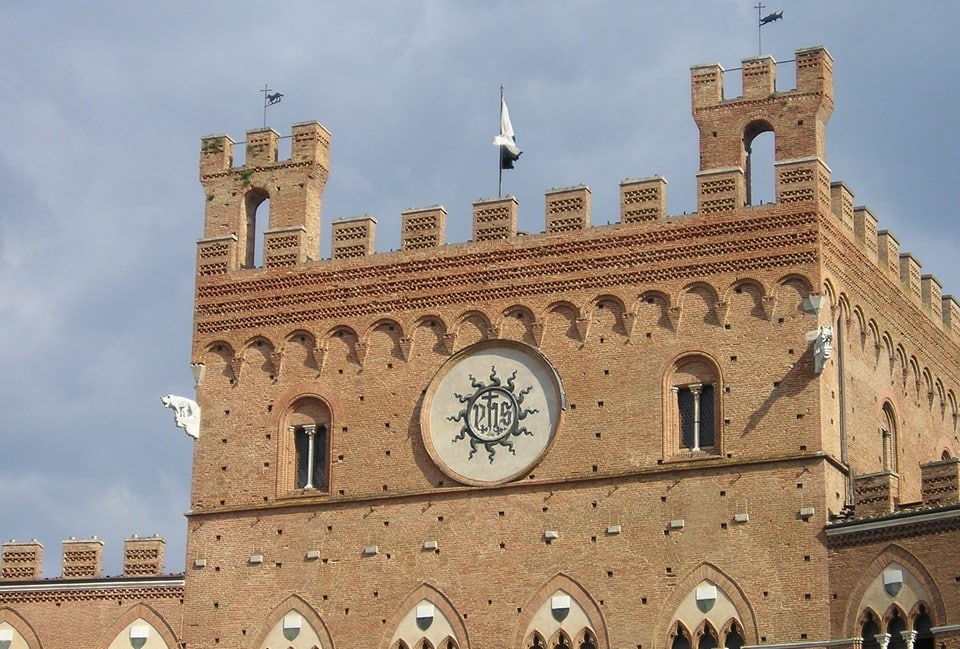
In the 15th century, Palazzo d’Accursio was expanded. A tower was added featuring a carousel clock that displayed the Magi and the Virgin Mary with the Child (removed in 1796). The building has undergone several restorations since. Under Pope Julius II, a new residence was built next to Palazzo d’Accursio for the Papal Legate (Palazzo del Legato), increasing the size of the town hall.
Today, the ground floor houses the City Council Hall, adorned with allegorical frescoes, and the Hall of Hercules. On the second floor, visitors will enjoy exploring the Farnese Hall and the Legate’s Chapel, where Emperor Charles V was crowned in 1530. The third floor contains a museum featuring artworks from the 13th to the 19th centuries, as well as a museum dedicated to the Italian painter Giorgio Morandi.
Palazzo del Podestà
The Palazzo del Podestà is located at Piazza Maggiore 6. It is topped by the Arengo Tower (Torre dell’Arengo), whose bell summoned citizens for meetings and marked important events for centuries.
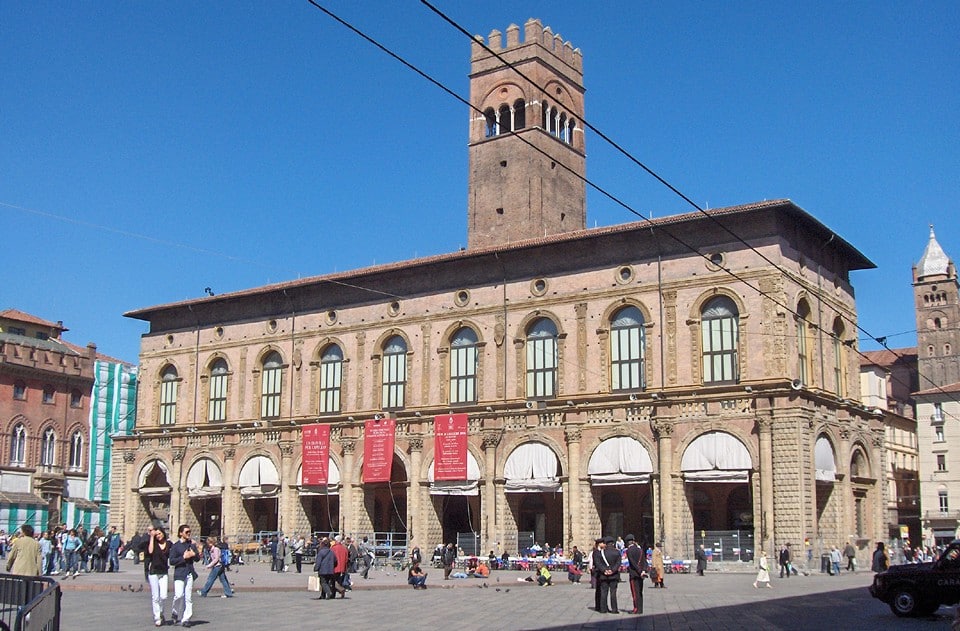
This building was purposefully constructed on Bologna’s main square to house the city’s governing body. For a time, it also served as a workplace for notaries until a dedicated building was erected for them. Originally built in the Romanesque style, the façade was redesigned in the Renaissance style in the 15th century.
In the early 20th century, the main hall was decorated with frescoes by Adolfo de Carolis, illustrating the history of Bologna.
Palazzo dei Notai
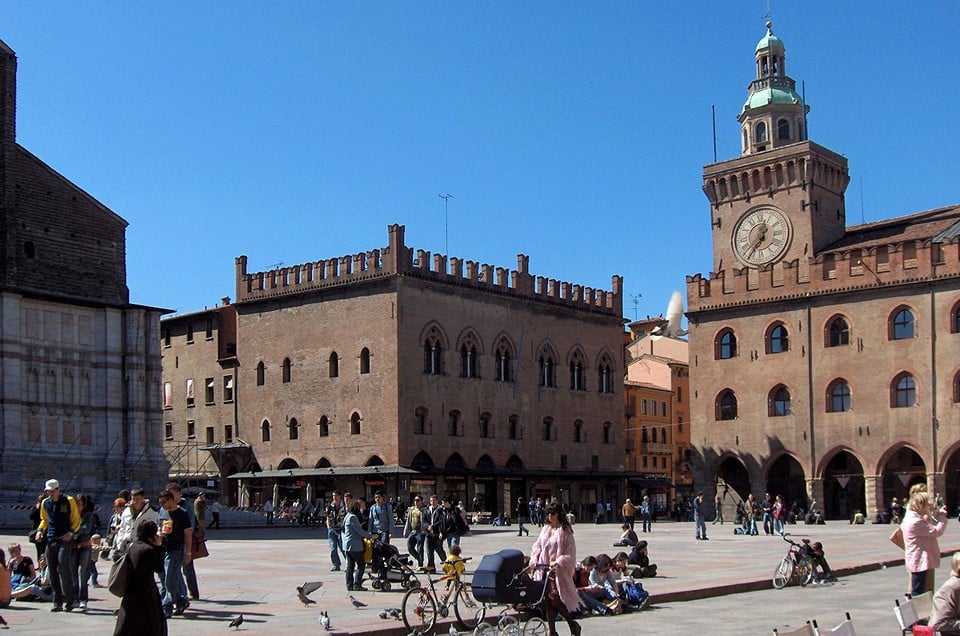
The Palazzo dei Notai is located at Via d’Azeglio, 2, just off the Main Square. The exact address is No. 1. Built in 1287 as the headquarters of Bologna’s notaries’ guild, it served as their residence for many years. It also housed the archive for storing wills and legal documents.
The building’s purpose is reflected in the plaque on its façade and the emblem of the notaries’ guild — three inkwells with quills on a red background. Today, it is occupied by government offices.
Palazzo dei Banchi
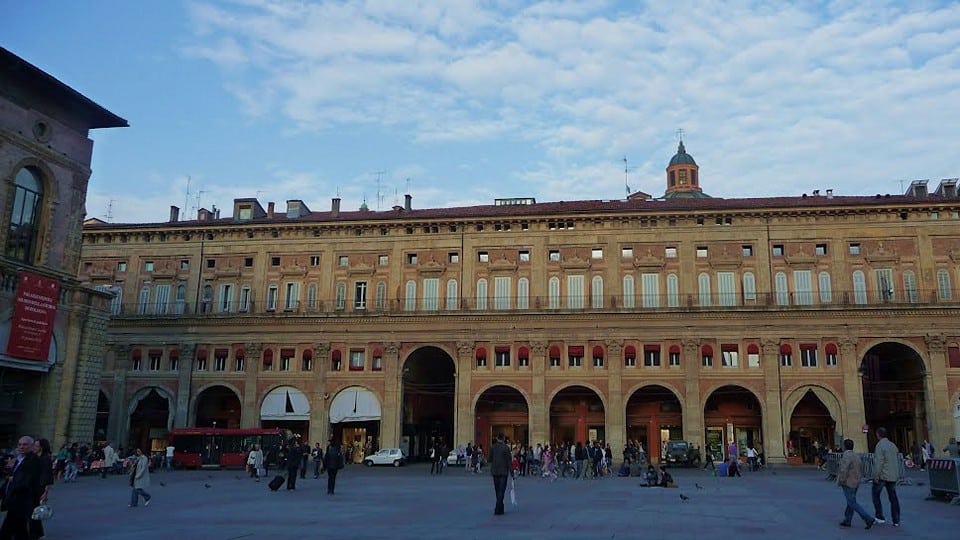
The last structure to be added to Piazza Maggiore was the Palazzo dei Banchi. Built in the 16th century, it functions more as a decorative façade than a true building, featuring fifteen arches that conceal several smaller structures behind them. The palace is connected by a portico to the Archiginnasio.
Archbishop’s Palace
The Archbishop’s Palace (Palazzo Arcivescovile) was built in the 13th century at the behest of Cardinal Enrico della Fratta. It stands at via Altabella, 6, and shares a courtyard with the Church of Saint Peter.
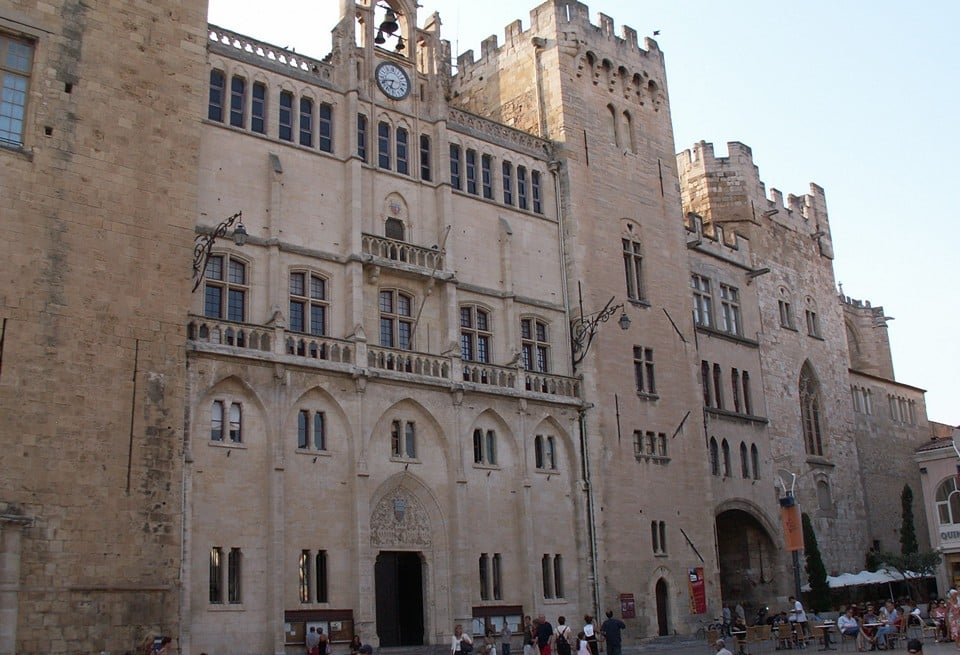
The palace was constructed between three pre-existing towers—Azzoguidi, Prendiparte, and Altabella—framing the palace and creating the illusion of a unified structure.
In the 16th century, artisans renovated the façade, landscaped the courtyard, and added a portico with four arches. The chapel on the first floor was decorated by Minozzi in 1790. The building underwent restoration in the 19th century.
Palazzo Bolognini
Located on Santo Stefano Street are two residences of the wealthy silk merchant Bolognini. The main one is at number 18, the second at number 11.
The second residence was commissioned by Giovanni Bolognini, who desired more luxurious accommodations for his family. Preparatory work lasted twenty years, and construction of the Palazzo Bolognini at via Santo Stefano, 11 began in 1513.
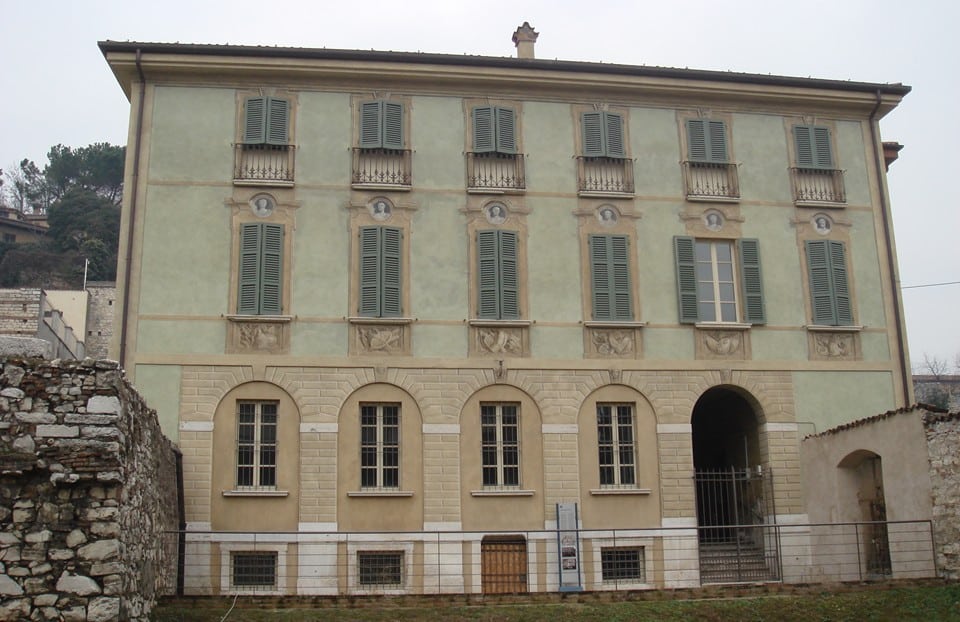
The façade is adorned with a veranda featuring terracotta busts and carved capitals. Notably, the veranda was created under the guidance of Andrea da Formigine and included work by Properzia de’ Rossi, the first female sculptor in European history.
Since the early 19th century, the building has been rented out to various organizations. From 1823 to 1855, it was leased by the Casino dei Nobili, which hosted concerts featuring performances by Haydn and Rossini.
Casa Berò
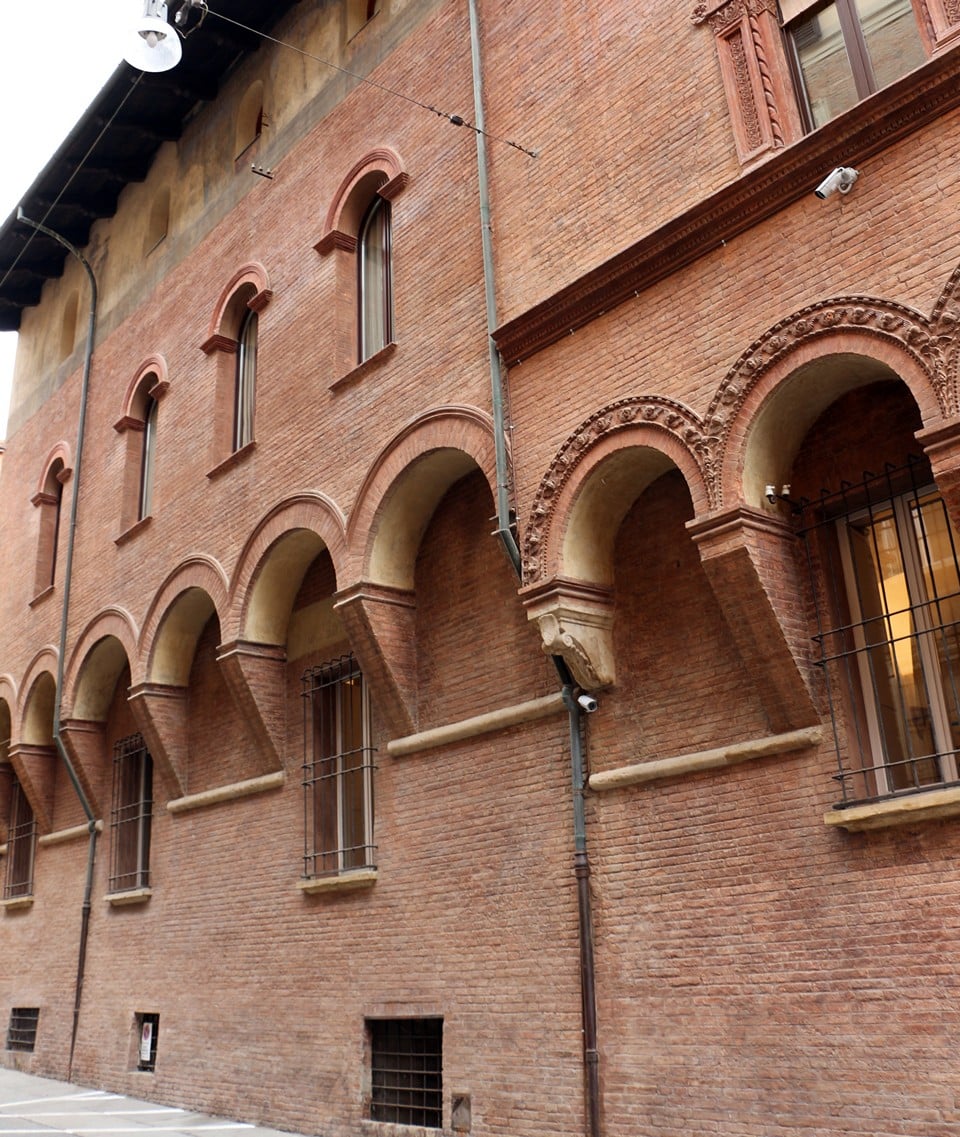
Casa Berò is located at via Rolandino, 1. This 16th-century building was constructed from brick and features a façade adorned with terracotta reliefs and numerous arches. The house is unique: it’s not a noble palace but rather the residence of a wealthy bourgeois who lived during the Renaissance and had a deep appreciation for the arts.
Locals often refer to it as the House of the Carracci, as it once housed the workshop of Agostino, Annibale, and Ludovico Carracci. These celebrated painters lived and worked here in the late 16th century.
Palazzo del Podestà
You can visit the Palazzo del Podestà during exhibitions or special events. The building is located in Piazza del Podestà and adjoins Palazzo Re Enzo on Neptune Square.
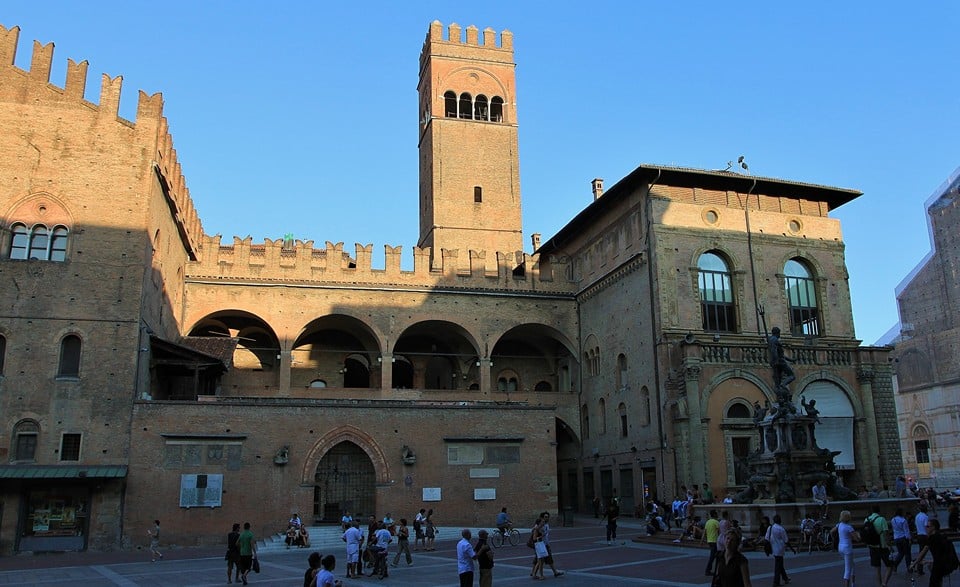
Commissioned by Giovanni II Bentivoglio, the building was constructed in the late 15th century to serve as the residence of local government leaders. However, the project was never completed due to Bentivoglio’s expulsion from the city.
Over the centuries, the palace has served many purposes. Initially, it housed a court; a century later, it was converted into a theater that lasted two hundred years, after which it became a venue for ball games. Its ground floor once held artisan workshops and now hosts luxury boutiques.
Palazzo Loiani
The Palazzo Loiani (also known as Palazzo Aldini-Sanguinetti) is located at Strada Maggiore, 34. It originally belonged to the Loiani family and was purchased by the Riario brothers in the mid-16th century. 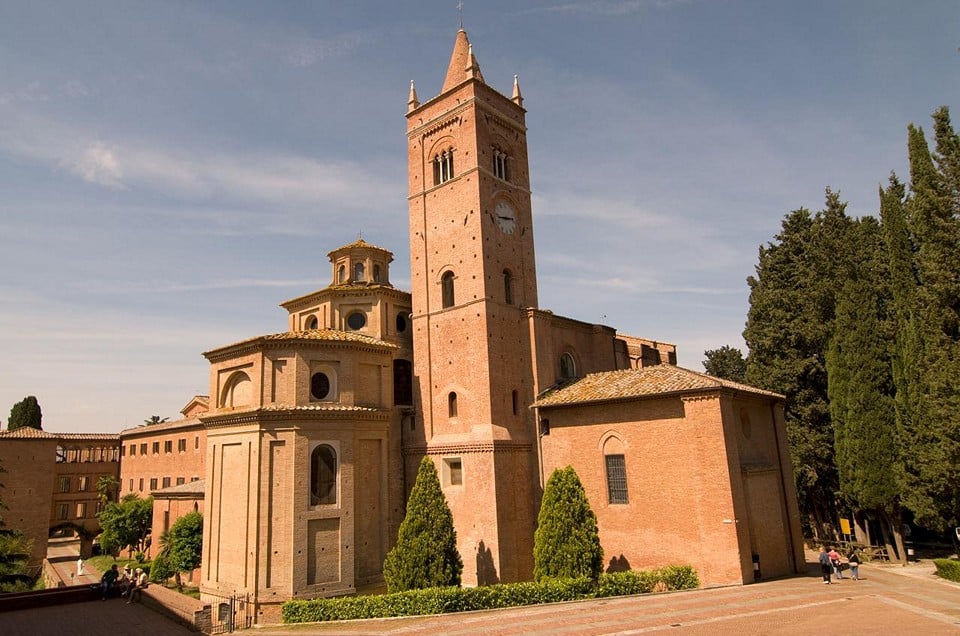
The palace underwent significant renovation in 1796 under the ownership of Count Antonio Aldini. He incorporated a nearby tower into the structure and ordered the division of the grand hall into two separate rooms. The result was the creation of the Hall of Festivities and the Hall of Virtue, both exemplary works of Neoclassical interior design.
Today, the palace houses the Music Library and the International Museum of Rossini (Museo Internazionale e Biblioteca della Musica di Bologna). Gioachino Antonio Rossini stayed here during renovations on his own home.
Arcades
Bologna’s arched porticoes stretch for over 25 miles (40 kilometers) across the city center. They lend an airy elegance to the city, and their blend of architectural styles and decorative elements from various eras gives Bologna a uniquely enchanting appearance.
The arcades began appearing in the Middle Ages, originally constructed to extend homes outward in the densely built city. The earliest galleries were made of wood, later replaced with stone structures supported by columns. No arcade in Bologna is lower than 8 feet 9 inches (2.66 meters)—a deliberate standard to allow a rider on horseback to pass through unobstructed.
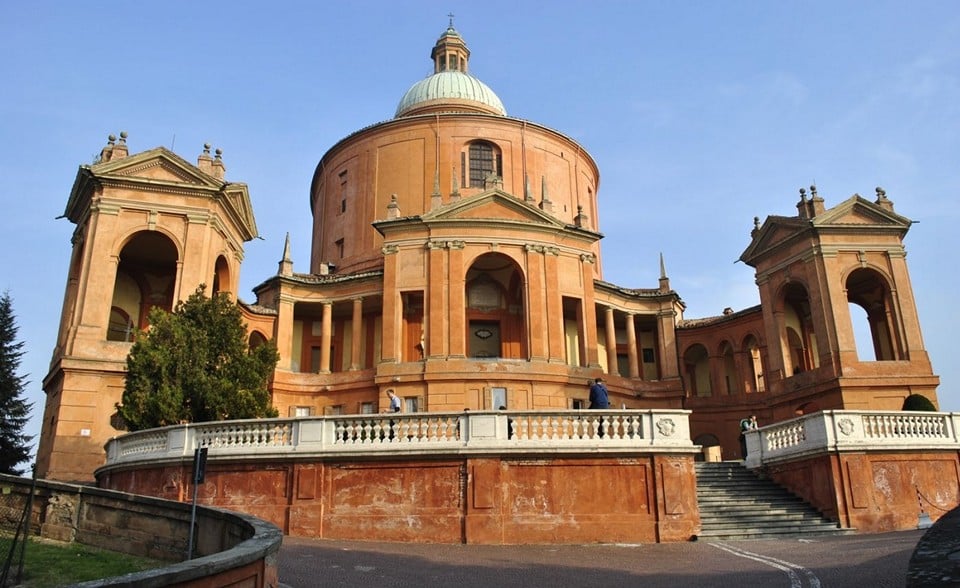
Because arcade construction continued through the 19th century, visitors can trace the history of portico architecture across the centuries. The longest arcade in Bologna leads to the Sanctuary of the Madonna di San Luca.
Gardens and Parks
Bologna’s most notable parks include the Margherita Gardens (Giardini Margherita), the Montagnola Garden (Giardino della Montagnola), and the Botanical Garden (Giardini Botanici), each with its own unique charm.
Margherita Gardens
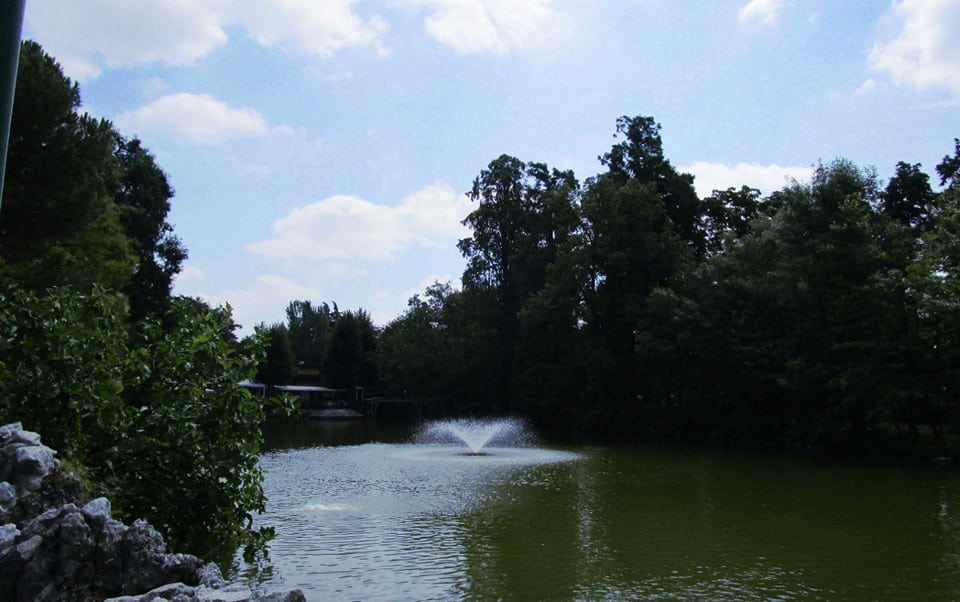
The main entrance to the Margherita Gardens is on via Murri. Opened in 1879, the park has changed little since. Covering 64 acres (26 hectares), it features a lake with fountains surrounded by artificial selenite rock formations. A wooden pavilion stands nearby.
The park is filled with pebble pathways, long tree-lined avenues, and open meadows. Visitors can relax in oak groves and among evergreen trees.
Within the gardens lies an archaeological zone where Etruscan tombs were unearthed in the late 19th century—243 graves in total, the oldest dating back to 550 BCE. This discovery provided valuable insights into the ancient roots of the city.
The burials were marked by distinctive horseshoe-shaped sandstone steles, carved with imagery of journeys to the afterlife. One of these steles and various burial artifacts, many of them quite valuable, are now housed in the Archaeological Museum. In the park’s archaeological area, visitors can also see a reconstructed hut from the Villanovan era—the earliest known Iron Age culture in Italy, dating from the 12th to 8th centuries BCE.
Botanical Garden of Bologna
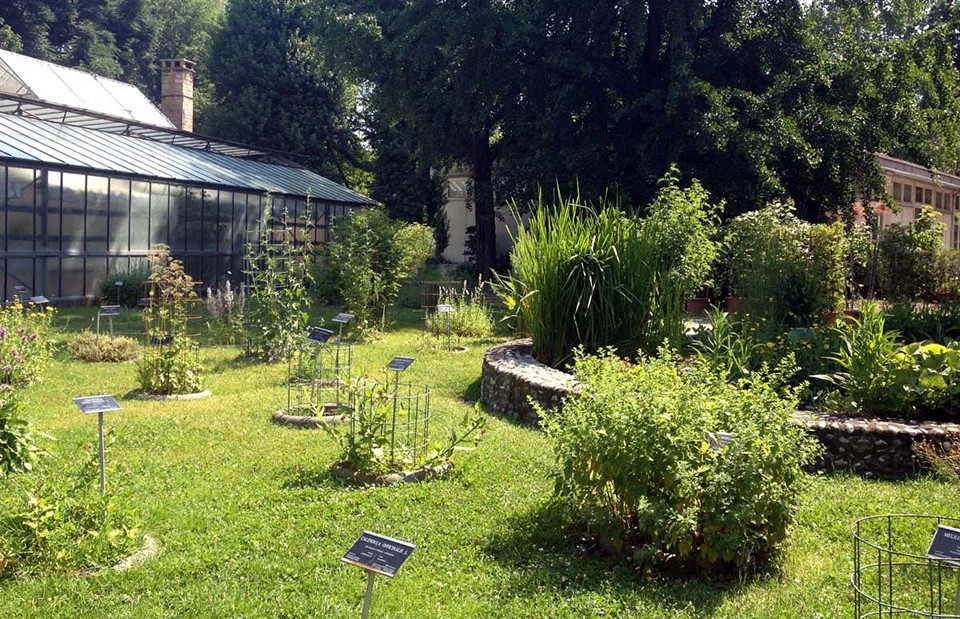
The Botanical Garden of Bologna (Orto Botanico ed Erbario) is located at via Irnerio, 42. It is one of the oldest botanical gardens on the continent. Its significance lies not only in its age and plant collection but also in its unique history of relocating several times over the centuries.
The city’s first botanical garden was established in 1568 in one of the courtyards near Bologna’s Main Square, initiated by the University of Bologna. Twenty years later, it was moved to the Santo Stefano Gate (Porta S. Stefano), where it was allotted an area of 1.9 square miles (5,000 square kilometers).
The garden settled at its current location in the early 19th century, after the University acquired the nearby Ferrari College building. Soon after, greenhouses were constructed and planting areas were established. Not long thereafter, an educational center was opened, offering in-depth information to anyone interested in the plant life housed there.
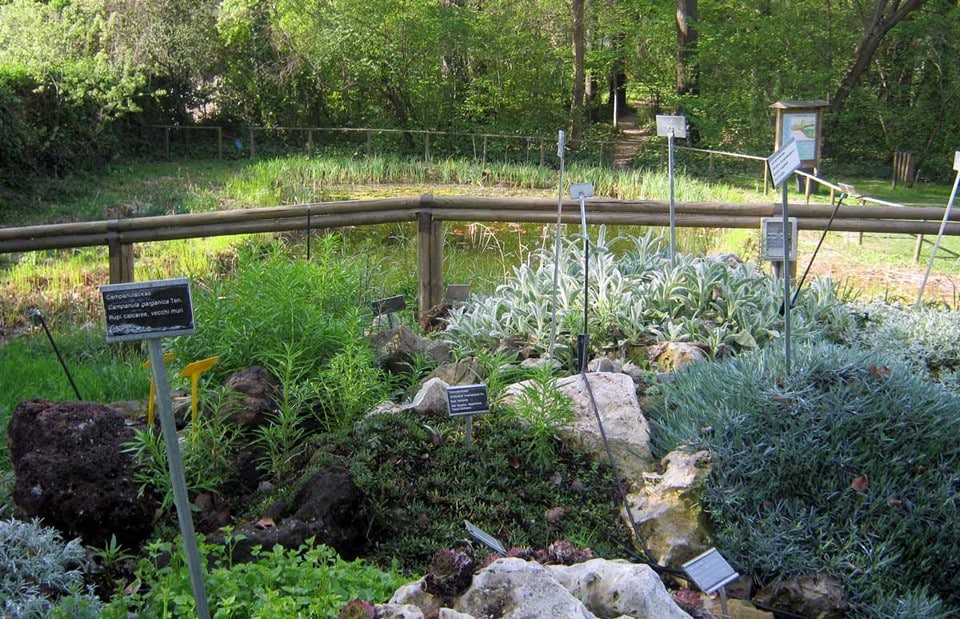
The garden suffered significant damage during World War II bombings. One of the greatest losses was the destruction of the historic greenhouse where plants had been cultivated since Napoleonic times. Today, the garden spans 4.9 acres (2 hectares) and contains around 5,000 plant species.
Montagnola Gardens
The Montagnola Gardens are located on the hill of the same name, which rises to a height of 197 feet (60 meters). You can ascend via a marble staircase, near which lie the ruins of the Castello di Galliera fortress and the Galliera Gate (Porta Galliera), part of Bologna’s third defensive ring.
At the base of the hill stands a sculpture by Pasquale Rizzoli. It honors the fallen citizens who defended Bologna against Austrian forces in August 1848. The composition portrays an Italian holding a flag above a fallen Austrian soldier.
In earlier times, the hill was covered in forest, which was thinned out in the 17th century to create bridle paths. In the early 19th century, the area was transformed into a French-style park, featuring the first sculptures and an artificial pond. The marble staircase was added in 1896.
Before your trip, be sure to read about the best hotels in Bologna’s city center.
Getting There – Practical Tips
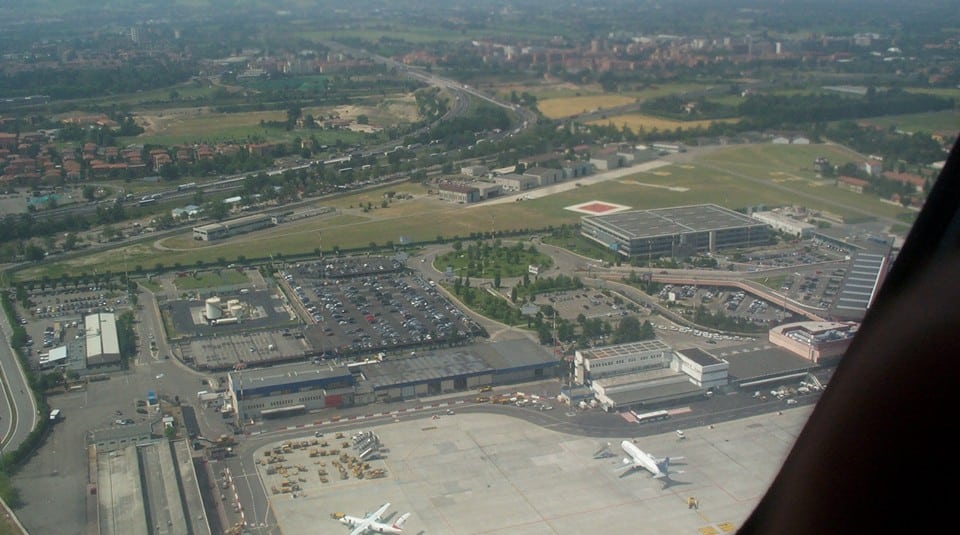
Bologna is connected to major cities across Italy and Europe via the Aeroporto Internazionale Guglielmo Marconi.
The airport is located just 3.7 miles (6 kilometers) from the city center, making it easy to reach downtown Bologna in under 30 minutes by bus or taxi. The latter, a more comfortable option, costs around €80. To avoid surprises, we recommend booking your transfer in advance with welcomepickups.com – you’ll be met with a name sign, and the fare is fixed, with no hidden charges.
The city’s bus station also serves international routes. It is located at Piazza XX Settembre, close to the main train station.
Just under a mile (1.5 kilometers) from the Main Square is Bologna Centrale, Italy’s largest railway station. Trains arrive here from all over the country as well as from major European cities. Travel time to Florence is about one hour, and to Venice, about 30 minutes more. High-speed trains reach Milan, Rome, and Turin in under two hours.