 Italy for me From Italy with love


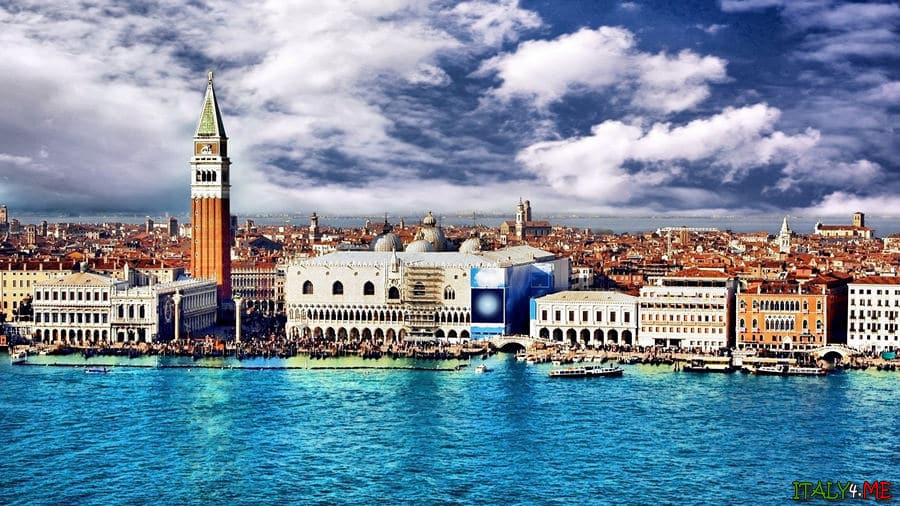
Venice is a city in northern Italy, situated on a group of islands. The climate here is mild and similar to that of Crimea—hot summers and mild winters.
The history of Venice is full of highs and lows. Today, we’ll discover how the city on water came to be.
The name of the city comes from the ancient Veneti tribe, who once inhabited the northern Adriatic coast during the time of the Roman Empire. The territory was later conquered by the Romans and named Aquileia, which eventually became the administrative center of the province of Venetia. In 402 AD, the province was ravaged by the Visigoths. According to legend, Venice was founded on March 25, 421, by the inhabitants of Venetia fleeing the Goths. Settlement began on the islands of Rialto and continued during the decline of the Roman Empire. Fishing, salt production, and coastal shipping were the main sources of income for the islanders.
Recommended reading: Top attractions in Venice.
Page Contents
Homes on the Water
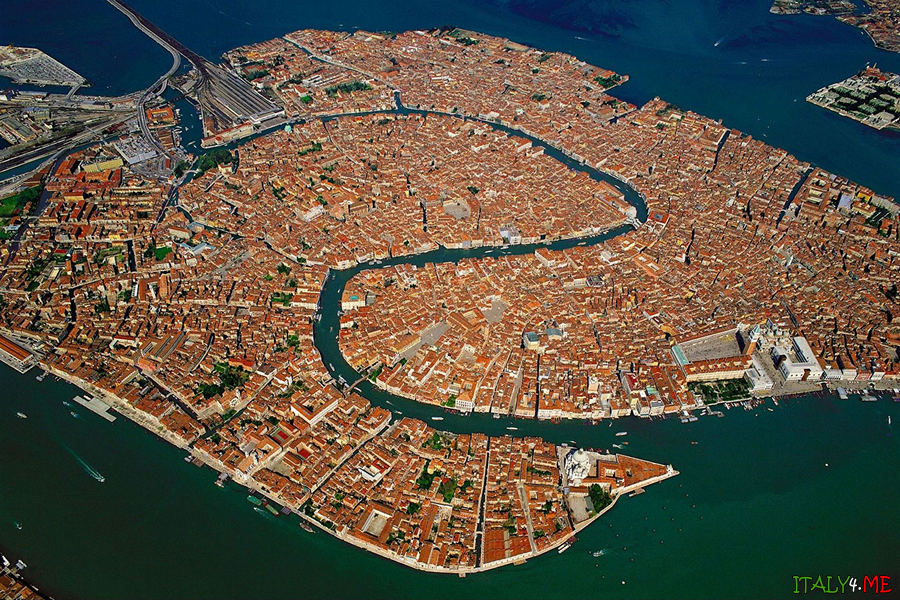
While the cities of the Western Roman Empire were being ravaged by Huns, Lombards, and Ostrogoths, Venice was spared due to its isolated position and the ingenuity of its residents, who learned to build homes on stilts and live atop the water. As waves of invasions intensified, many wealthy mainlanders relocated to the islands.
This led to rapid growth in trade and maritime transport, as the wealthy refugees invested heavily in these industries.
By the 6th century, Venice had the most powerful fleet on the Adriatic and supported Emperor Justinian during the Eastern Roman Empire’s war with the Ostrogoths. In return, Byzantium granted Venice protection and special trade privileges. Venetians elected their first doge in 697. Over the next millennium, the city would be ruled by a total of 117 doges.
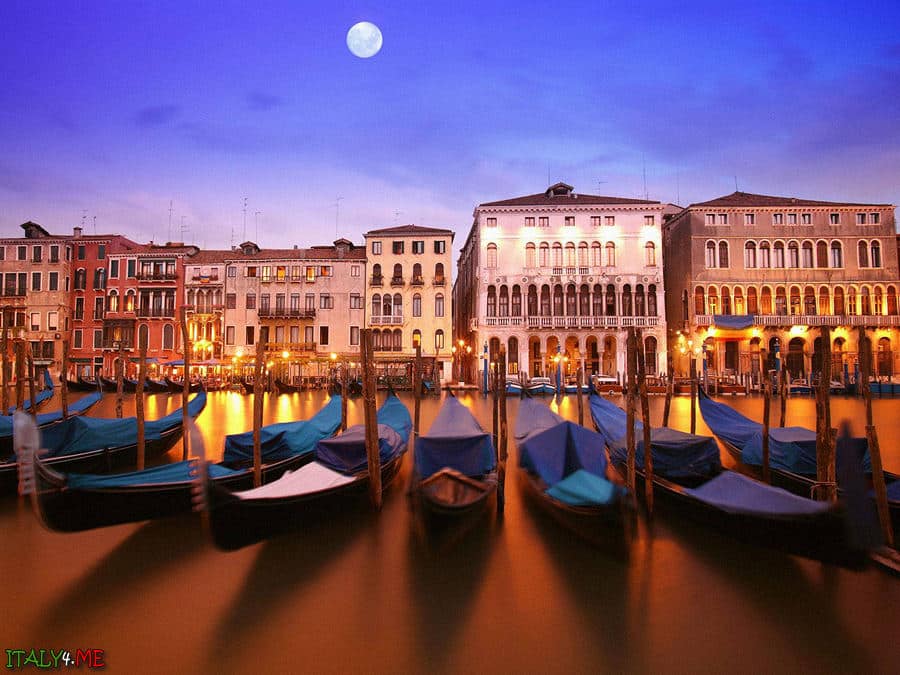
Thanks to its strategic location, Venice became a key trade hub through which silk, rice, coffee, and spices—then worth more than gold—flowed into Europe.
Medieval Period and Trade
The shrewd policies of Doge Pietro Orseolo II, strategic marriage alliances, and Venice’s support of Byzantium against the Saracens further enhanced the privileges of Venetian merchants. A “golden bull” granted by Byzantium halved the customs duties on Venetian ships arriving in Constantinople. During the Crusades, Venice greatly increased its wealth by lending money to crusaders and chartering its ships for their transport. For nearly two centuries, Venice waged intermittent wars with Genoa, driven by intense trade rivalry. The city opened its first banks in the 12th century, and Venetian sailors were the first to insure their cargo.
In the 12th and 13th centuries, Venice’s shipyards began building large vessels with displacements of up to 200 tons.
To strengthen its economy, the Venetian Republic began annexing mainland territories known as the “Terraferma.” In 1494, Venetian mathematician Luca Pacioli formally described the principles of double-entry bookkeeping—a method still used worldwide today.
Decline
Starting in the 15th century, as the Age of Discovery unfolded, Venice lost ground to emerging naval powers like Portugal, Spain, the Netherlands, and England. By the 18th century, the city had lost most of its mainland holdings, which were absorbed by Austria. Nevertheless, Venice still shone with artistic and architectural splendor. During this era, gambling and prostitution became widespread in the city.
On May 1, 1797, Napoleon declared war on Venice. The Great Council chose to comply with his demands, and on May 12, Doge Ludovico Manin abdicated the throne.
For the first time in over a thousand years, Venice lost its independence.
The city’s economy suffered under the French Continental Blockade. However, change came with the 1869 opening of the Suez Canal. Venice built a new port and became a key departure point for journeys to the East. Tourism began to flourish, and Venice started hosting annual international art exhibitions. Since 1932, it has also held the prestigious Venice Film Festival, home to the iconic Golden Lion award.