 Italy for me From Italy with love


ChatGPT said:
Lasagna (Lasagne) is a typical dish of Italian cuisine that everyone has heard of. But not everyone realizes that it’s not just a layered meat pie or casserole but one of the many varieties of pasta in Italy.
It is believed to be the oldest type of pasta. Over the long history of baked pasta in southern Italy, several traditional versions of the dish have developed. In the northern regions, however, one version—Bolognese (alla bolognese)—has almost universally become the classic. Like every popular woman, the lady named Lasagna has her own little secrets, which we will now reveal.
Page Contents
Origin
The recipe for Lasagna was known even in the Roman Empire.
The terms “laganon” and “laganum” referred to a thin sheet of dough made from wheat flour, which was baked or cooked over an open flame.
In the Apicius recipe book, this dough was used to create a dish called “lagana,” where wheat sheets were layered with minced meat.
During the Middle Ages, lasagna recipes were fully developed and became so widespread that many writers (Jacopone da Todi, Cecco Angiolieri, and others) mentioned it in their works. It is unclear if the dish was exactly like the modern version, with some suggesting it was more similar to gnocchi.
The Renaissance marked the golden age of Italian pasta. It was at the end of the 17th century that the recipe for Lasagna alla Bolognese, as we know it today, emerged. In 1881, the book “The Prince of Cooks,” published in Naples, suggested using tomatoes in the dish for the first time.
As time went on, new interpretations of this increasingly popular dish emerged. From festive banquets, Lasagna gradually made its way to the everyday tables of Italian homes.
Regional Variations
While many regional variations of Lasagna exist today, they can generally be divided into two traditions:
- The older tradition, found in central and southern Italy.
- Recipes from the northern plains of the republic.
Let’s take a closer look at the different versions of this dish in various parts of the country.
Northern Italy
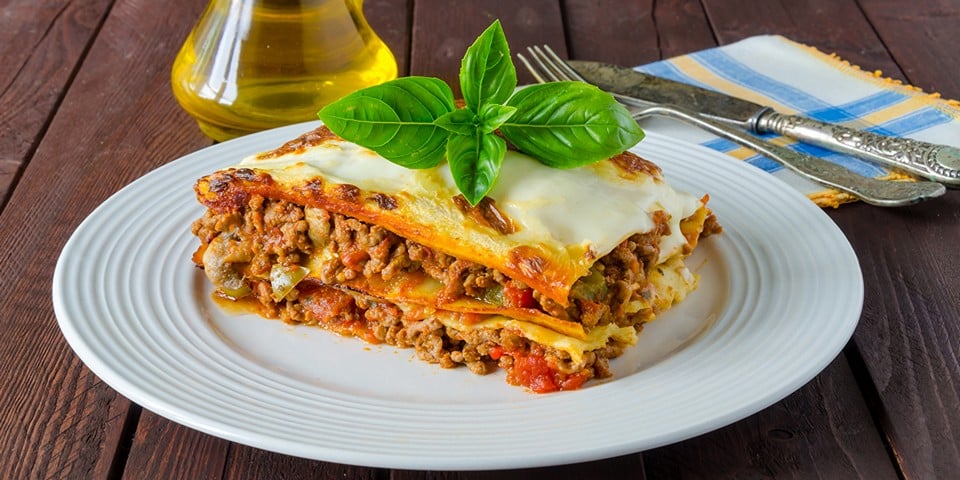
The most common recipe in northern Italy uses egg-based pasta. In Emilia-Romagna, the meat filling is a mixture of pork and beef. Essential components include Bolognese sauce, béchamel sauce, and Parmesan cheese. In other northern regions, the term “lasagne” often refers to wide (about 2 cm) and long strips of egg pasta. These noodles are eaten on their own or added to minestrone soup.
The northern regions also feature a version of green Lasagna, where spinach is added to the dough. There’s also a variation with a mushroom layer, though this is more common in central Italy.
In the region of Veneto, they prefer a version with red chicory instead of meat sauce. This recipe often uses several types of cheese.
Apulia and Basilicata
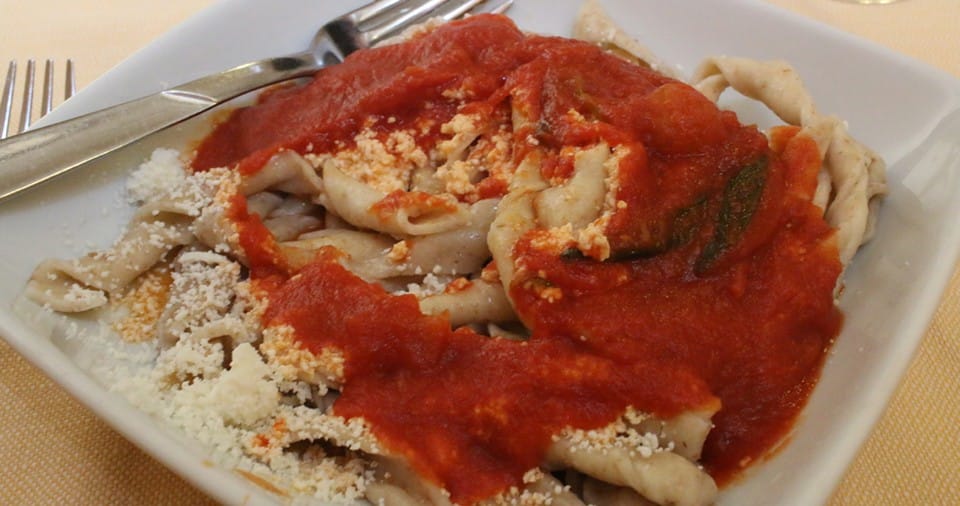
The classic lasagna interpretation typical for Apulia (Puglia) and Basilicata differs from other versions by the absence of eggs in the dough. The dish is called sagne (lasagne) ncannulate. The pasta strips are hand-rolled into shapes resembling women’s curls. It looks as though the dough is wrapped around a hard frame, but in reality, the spirals are formed without any tools.
Lasagne ncannulate is boiled in water rather than baked and is served with tomato sauce, ricotta, and basil.
Campania
In Campania (Campania), the Neapolitan version of Lasagna is extremely popular and was originally created for the luxurious kitchens of the wealthy. It now plays a fundamental role during Easter celebrations and Carnival. It’s safe to say that during these holidays, every family makes Lasagna at least once. The recipe calls for tomato sauce, boiled eggs, mozzarella, meatballs, and ricotta.
Marche and Umbria
In Marche and some areas of Umbria, a dish resembling lasagna is widespread. It’s called vincisgrassi. Unlike Lasagna, it uses coarsely chopped meat, chicken giblets, and plenty of spices (cloves, nutmeg). Some of the oldest recipes also include truffles. Occasionally, the dough is made with wine.
Molise and Abruzzo
In the regions of Molise and Abruzzo, the traditional Lasagna is called “sagne a pezzate.” The pasta is cut into small squares and boiled. It’s served with tomato sauce, basil, garlic, olive oil, and grated cheese. There are versions with asparagus, fresh beans, and pancetta.
In the commune of Castiglione Messer Marino, there is an interesting tradition. Boiled Lasagna, known there as sage a lu cutter, is enriched with meat, sausages, pork belly, liver, and chili peppers and eaten straight from copper pots with bare hands.
Sicily
Sicilian cuisine’s version of Lasagna is closest to the Neapolitan style. The recipe is enhanced with boiled eggs, fried meat, vegetables (eggplants, carrots, celery), and semi-hard cheeses. In Naples, this type of Lasagna is called lasagna riccia.
We recommend reading about: Sicilian desserts.
Interesting Facts
Like many dishes with a long history, Lasagna has gathered many interesting facts over time:
- July 29 is National Lasagna Day in Italy.
- In Italy, the term “lasagne” is plural and refers to more than one strip of pasta.
- Traditionally, southern Italy makes pasta from water and semolina. In northern regions, where semolina was less available, recipes with flour and eggs developed.
- The word “Lasagne” originally referred to the dish in which it was prepared, not the food itself.
- The earliest recipe predates the introduction of tomatoes to Europe, so they were not used. However, today most classic versions are made with tomatoes or tomato-based sauces.
- In the past, all pasta was boiled before baking layered Lasagna. Today, the dough is softened by using enough sauce.
- The most famous lasagna lover is the cartoon cat Garfield.
- “Weird Al” Yankovic recorded a song called “Lasagna,” a parody of the hit “La Bamba.”
Common Mistakes When Making Lasagna
Despite being straightforward in preparing, Lasagna can still be ruined. Here are five common mistakes to avoid when making lasagna:
- Using too many layers of pasta. This is especially problematic for semolina-based pasta, as it can result in a dry dish. For this reason, chefs often recommend beginners use fresh dough when making Lasagna.
- Not greasing the bottom and sides of the pan enough. Thorough greasing is necessary to prevent the pasta from sticking to the pan. Crispy edges and base are highly valued by lasagna lovers. A good option is to sprinkle a thin layer of breadcrumbs on top of the greased surface.
- Too much sauce in the filling. This can prevent the Lasagna from having a crisp texture, turning it into something more like a thick soup.
- Using dry semolina-based pasta. Unlike flour-based pasta, semolina pasta needs to be slightly boiled to an “al dente” state before baking with the filling.
- No crispy top layer. This is more of an aesthetic mistake. To achieve a beautiful crust, sprinkle grated cheese on top of the Lasagna and turn on the grill function for 3-4 minutes before it’s fully cooked.
Classic Recipe
There are so many lasagna recipes that it’s impossible to fit them all in one article. So, we present to you the classic recipe for Lasagna with minced meat—alla Bolognese. In Italy, it’s said that every cook should know how to make the Bolognese version of this dish.
Lasagna alla Bolognese
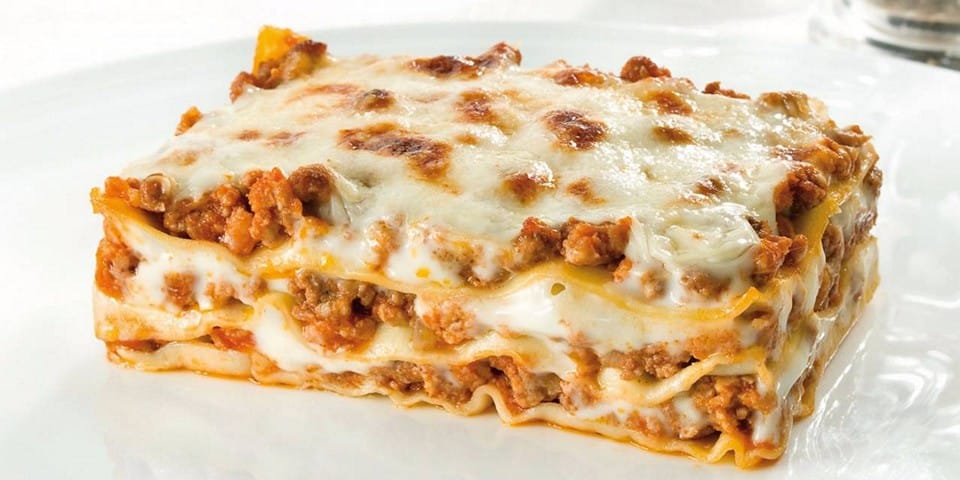
The Bolognese version is the most common Lasagna with minced meat, both in Italy and abroad. The key to making it is selecting the right ingredients. The minced meat must be a mix of pork and beef, and the tomatoes must be fragrant and pronounced.
While modern stores offer a wide selection of ready-made lasagna pasta, rolling out the dough yourself is much more satisfying and reliable. The process is quite simple.
Ingredients needed for the pasta:
- Flour – 350-400 g
- Spinach (cleaned and washed) – 400 g
- Eggs – 3 pcs.
First, boil the spinach in a small amount of lightly salted water until soft. Drain, rinse under cold water, and allow it to drain completely. If necessary, lightly squeeze the spinach through the cheesecloth.
Puree the leaves and mix with flour and eggs in a bowl. Knead the dough until elastic. Wrap it in plastic wrap and let it sit at room temperature for 1 hour.
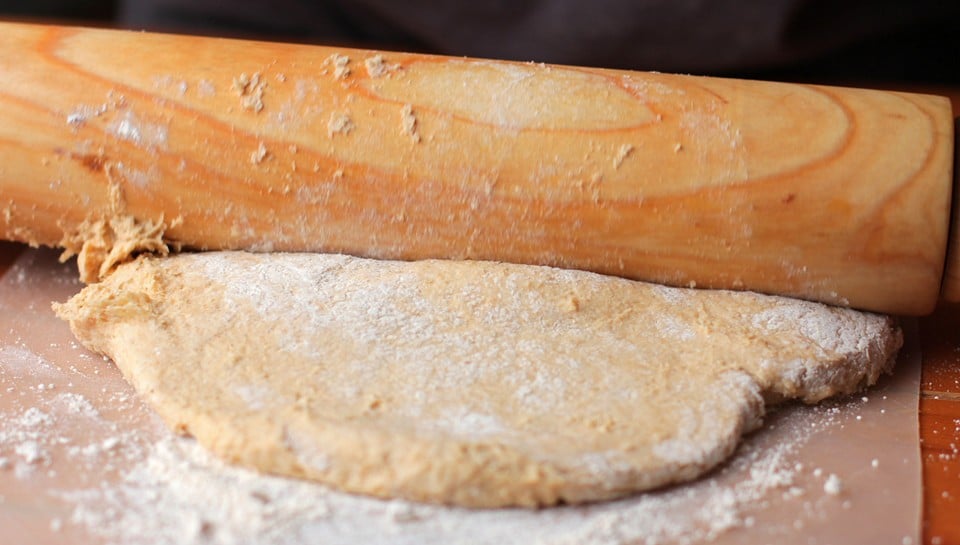
Divide the dough into portions, roll it out with a rolling pin to a thickness of 1 mm, and cut out rectangles to fit your lasagna dish.
Ingredients for the filling:
- Pork mince – 250 g
- Beef mince – 500 g
- Tomato puree – 250 g
- Carrot – 50 g
- Onion – 50 g
- Celery – 50 g
- Milk – 40 g
- Olive oil – 1 tbsp.
- Dry white wine – 250 ml
- Water – 3 liters
- Salt, black pepper – to taste
Begin by finely chopping the celery, carrot, and onion. Heat the oil in a pan and add the vegetables. Sauté over low heat for 10 minutes, stirring occasionally. Add the beef and pork mince and cook for another 10 minutes.
When the meat has dried out a bit, add the white wine and stir until it evaporates. Add the tomato puree, a pinch of salt, and 1 liter of water. After it boils, simmer over medium heat for about an hour.
Pour in 1 more liter of water and continue simmering for another hour. Afterward, add the final liter of water and repeat the process for another 60 minutes. By the end, the meat should be firm but not too dry. Season with salt and pepper to taste. Turn off the heat, stir in the milk, and set aside to cool.
Ingredients for béchamel sauce:
- Milk – 1 liter
- Butter – 100 g
- Flour – 100 g
- Nutmeg and salt – a pinch
Now, let’s prepare the sauce. Heat the milk in one pot and melt the butter in another. Remove the pot with the melted butter from the heat and gradually add sifted flour, stirring vigorously with a whisk to avoid lumps. Return the pot to the heat and lightly toast the flour.
When the milk is hot, season it with salt and nutmeg and slowly pour it into the butter-flour mixture. Whisk continuously until it thickens (about 5-6 minutes) to a creamy consistency. The béchamel sauce should be smooth and uniform.
The final step is assembling the Lasagna. You’ll need one more ingredient—250 g of grated hard cheese (preferably Parmesan).
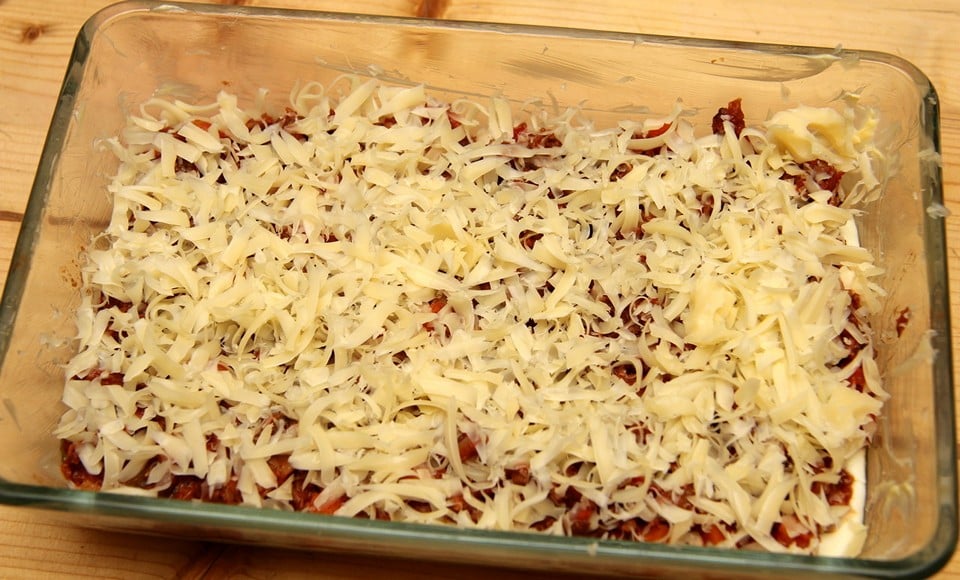
In a rectangular baking dish (30×20 cm), greased with oil, evenly spread a small amount of béchamel sauce. Place a sheet of pasta and cover it with a thin layer of sauce. Add a portion of the filling and sprinkle with cheese.
Continue layering in the following order: pasta, béchamel sauce, meat filling, cheese (ideally 3-4 layers). The top layer should be meat topped with cheese.
Bake in a preheated oven at 200°C (392°F) for 25 minutes. A light golden crust on the surface indicates readiness. Remove from the oven, let it cool slightly, and serve. The Bolognese dish pairs best with dry red or young sparkling wines.
Calories and Nutritional Value
Despite its seemingly heavy composition, Lasagna with minced meat is not overly high in calories. Its nutritional value is only 277 kcal per 100 g of product. It consists of:
- Protein – 12 g
- Fat – 19 g
- Carbohydrates – 15 g
However, it’s important to remember that animal-based components carry cholesterol, so people who are overweight should limit their consumption of this Italian dish.
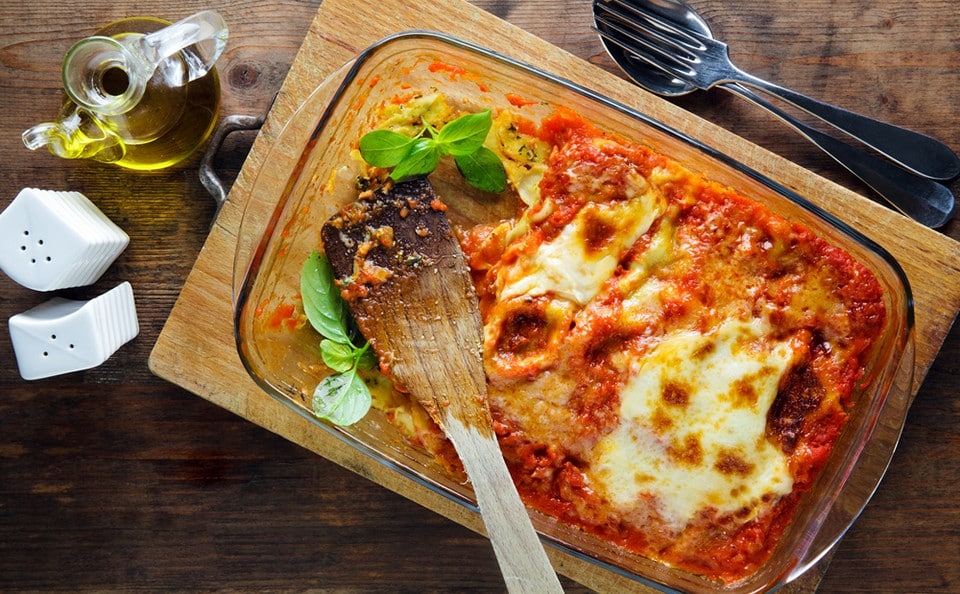
High-temperature cooking destroys vitamins but preserves minerals. Beef, as a valuable source of iron, gives Lasagna the status of a dish beneficial for those with anemia. However, the high sodium content limits portion sizes for those suffering from high blood pressure.
Our ode to Lasagna has come to an end. Live enthusiastically, travel well, eat in moderation, and remember: “The trend of layering in fashion may fade in a couple of years, but the love for layered lasagna will last forever!”