 Italy for me From Italy with love


Some Italian dishes have become deeply woven into the fabric of many world cuisines. Unfortunately, this cannot yet be said about **Gnocchi**.
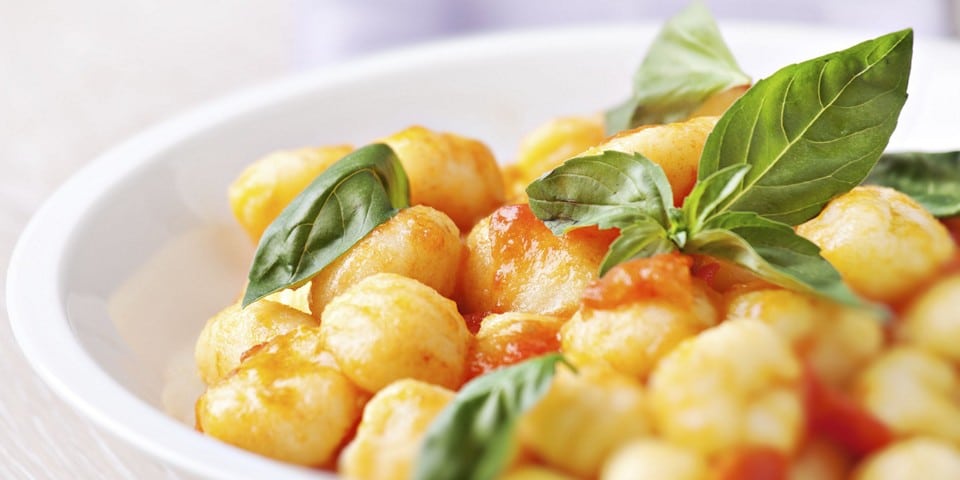
Despite its long history, Gnocchi is only just starting to gain popularity outside its homeland. Gnocchi is a kind of Italian dumpling. Like many dishes from the Republic, gnocchi recipes vary significantly from region to region.
Many countries around the world have similar dumpling-like dishes in their culinary traditions. Our article will help you navigate this complex world of simple flour-based creations.
Page Contents
History
Gnocchi has quite deep roots, going back to the 16th century when potatoes began to be imported from America. However, the potato version of the dish is merely an evolution of a much older Italian recipe dating back to the 1300s.
The very first Gnocchi were called “zanzarelli.” They were made not from potatoes or semolina but from mashed stale bread, mixed with dried fruit and milk, and shaped into balls.
In the 17th century, although potatoes were already widespread in Italy, potato-based Gnocchi had yet to gain the popularity they enjoy today. In most regions, breadcrumbs in the recipe were replaced with flour and milk with water and eggs. This dish was called “malfatti.”
The first documented recipe for potato gnocchi dates back to the second half of the 18th century. By the late 19th century, the dish had spread rapidly across Italy. The term “gnocchi” likely derives either from the Italian word *nocchio*, meaning “knot in wood,” or *nocca* (knuckle), perhaps referring to its shape.
Over time, the size of Gnocchi has changed. From being as large as an egg, they have shrunk to bite-sized pieces. This reduction was driven by the need for the dough to absorb sauces more effectively.
Regional Varieties
There are many types of Gnocchi, but they share common characteristics that group them together. Let’s see what types of dumplings are eaten in different regions of Italy.
Apulia
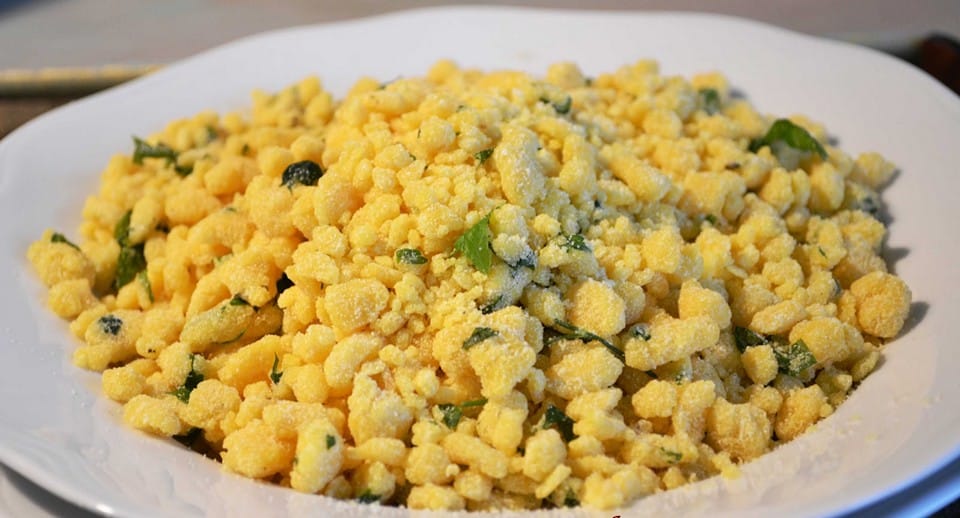
The gnocchi from Puglia are called **Triddhi**. These are small pieces of dough made from semolina, grated cheese, eggs, and parsley. They are cooked in meat broth and eaten during Christmas or Easter.
Valle d’Aosta and Piedmont
Residents of Piedmont (Piemonte) and Valle d’Aosta (Valle d’Aosta) prefer gnocchi varieties known as **dunderet** or **strangoiapreve**. These are a mixture of flour, potatoes, eggs, and milk. They vary in shape but are often elongated, resembling small “fingers.”
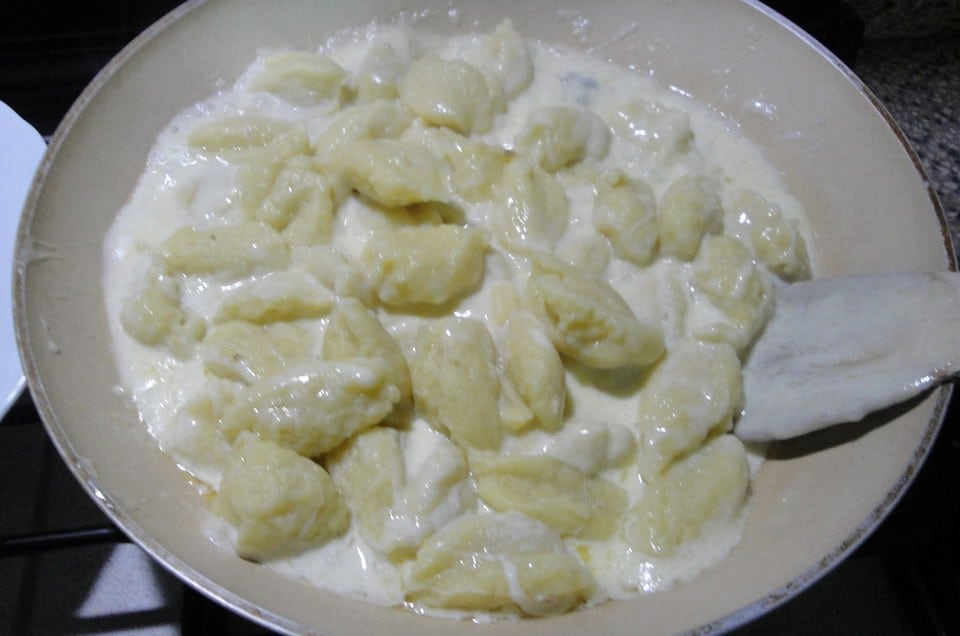
Another type of potato gnocchi from Val Varaita, typical of the town of Castelmagno, is made with Tomino cheese. It is served generously with melted butter and grated cheese.
Veneto
Italians from Veneto stick to more classic choices. Potato gnocchi is often paired with Pastissada—a traditional Venetian stew made with horse meat.
In restaurants across the region, you’ll also find **gnocchi con la fioreta**, a version made with ricotta, flour, and eggs. They are boiled and served with butter and cheese.
During the Venetian Carnival, you can spot a fun character on the streets of Venice known as **Papà del Gnoco**. This white-bearded man is dressed in a red and white outfit with a mantle and carries a large fork with gnocchi speared on it.
Campania
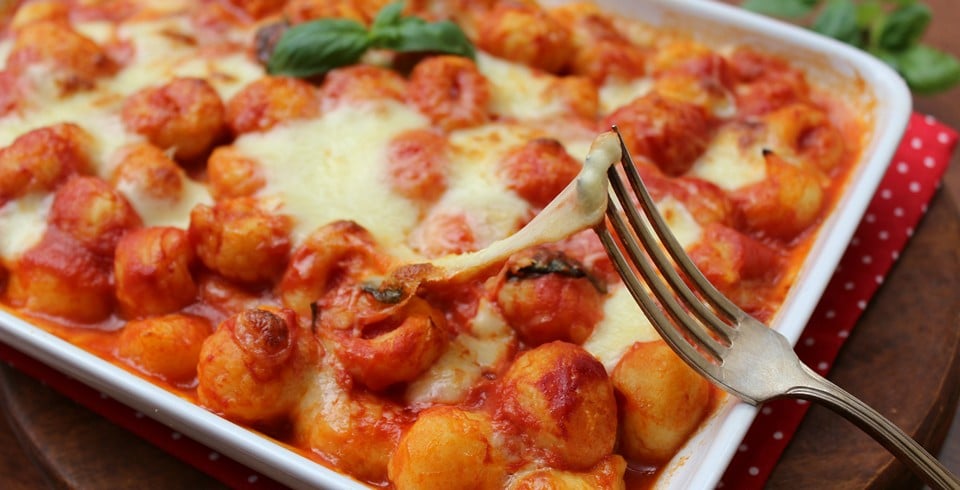
**Gnocchi alla sorrentina** represents the cuisine of Campania. Essentially, these are potato dumplings served with a flavorful sauce made from tomato paste, garlic, olive oil, basil, and fior di latte cheese.
Lazio
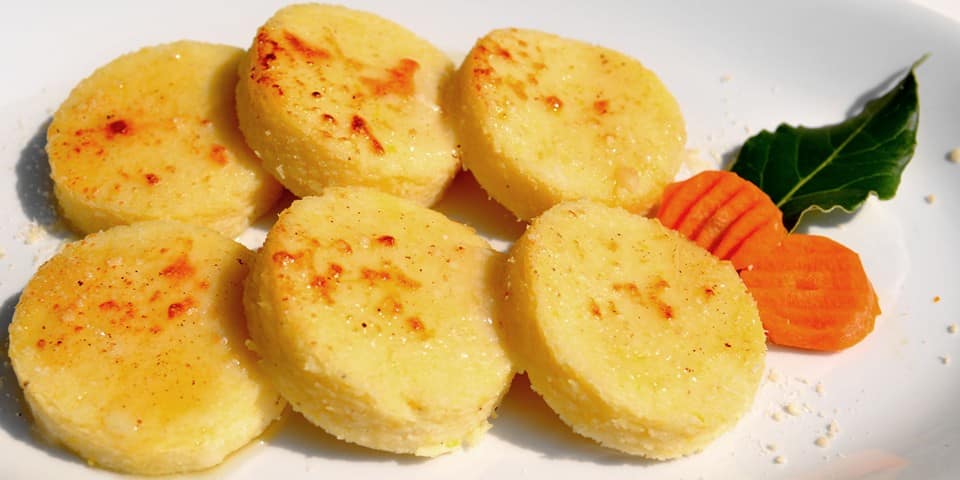
The undisputed leader among dumplings in the Lazio region is **gnocchi alla romana**. These are made from semolina, milk, butter, eggs, and Parmesan cheese. The dough is shaped into cylinders, cut into medallions, and baked in the oven rather than boiled.
In the area around **Amatrice**, **gnocchi ricci** or “curly gnocchi” are popular. Their name comes from their shape, achieved by pressing a piece of dough between the thumb and forefinger. The classic way to serve them is with lamb ragù and Pecorino cheese.
Lombardy
Lombards aren’t particularly fond of potatoes, so their Gnocchi often features spinach and various herbs. However, some recipes do include small amounts of mashed potatoes.
One of the northern dumpling varieties is called **malfatti**. This mixture of spinach, eggs, and breadcrumbs is best left to “rest” overnight before cooking, though impatient cooks often boil them right away and serve with plenty of butter and grated Parmesan cheese.
In the town of Gera Lario, a local recipe called Gnocchi alla Mariana is popular. The dough is made from flour, eggs, milk, and herbs. The cooked dish is served with fresh cheese, tomato, or meat sauce.
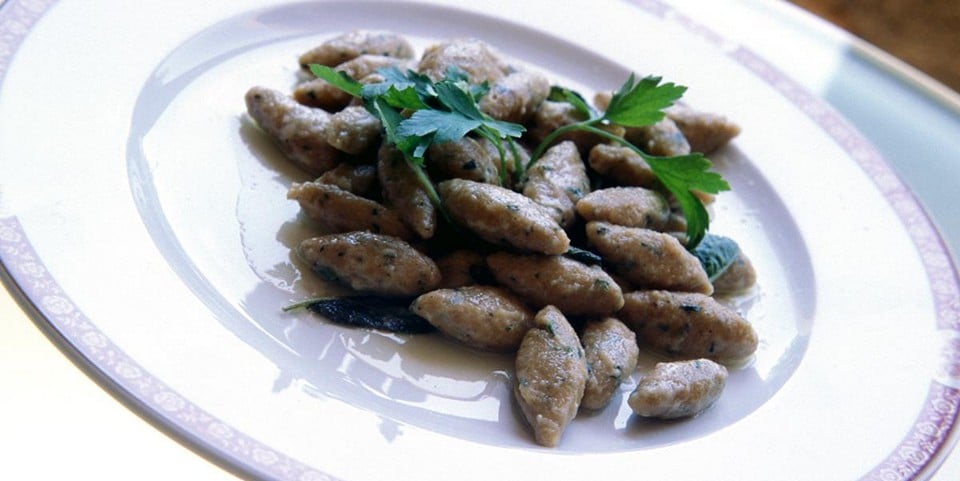
In **Mantua**, **capunsei**—a peasant dish—remains popular. These small sticks with tapered ends are made from grated breadcrumbs, Grana Padano cheese,
clarified butter, and eggs. They are seasoned with nutmeg, cloves, and garlic and served with accompaniments such as sage butter, tomatoes, salami, or lamb with herbs.
Here are a few more gnocchi varieties from various Lombard towns:
- **Polentoni** – dumplings made from leftover polenta mixed with flour and eggs;
- **Gnòc de schelt** – gnocchi with chestnut flour;
- **Gnòc de rìh** – rice gnocchi in the form of balls;
- **Gnocchi di zucca** – a pumpkin version of the dish, served with butter and cheese.
Marche and Umbria
**Gnocchi di Apecchio** represents the cuisine of Marche. Their dough contains both wheat and corn flour.
In Umbria, **gnocchetti alla collescipolana** are preferred. To make them, flour is mixed with breadcrumbs and water. The traditional sauce accompanying the dish contains sausages, beans, and tomatoes.
Sardinia and Sicily
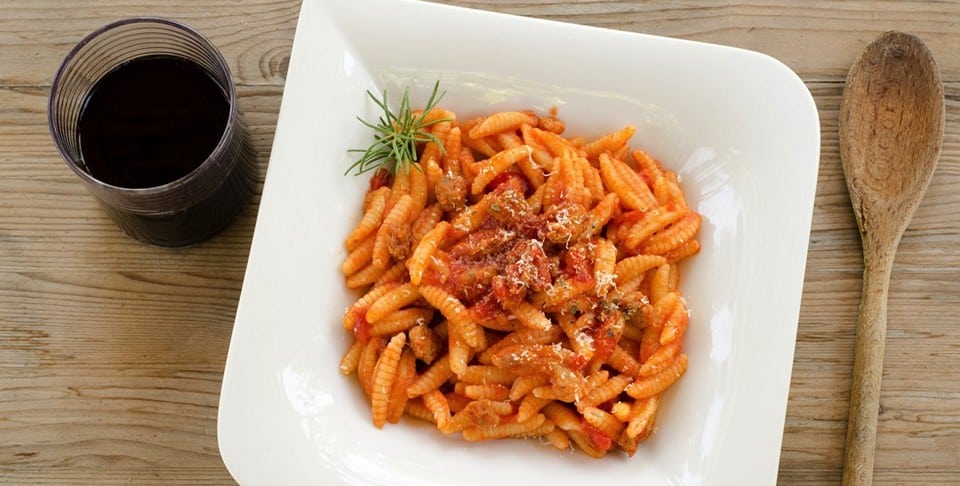
Sardinia (Sardegna) is home to **malloreddus**, a unique hybrid of gnocchi and pasta. Small shell-shaped pieces of dough are traditionally served with a sauce made from tomatoes, sausage, saffron, and Pecorino cheese.
On Sicily, gnocchi named **ganeffe** are a resourceful way to use up leftover rice. It’s cooked and mixed with butter, egg yolks, Parmesan, and saffron. Balls are formed from the dough, fried in olive oil, and then served in meat broth.
Tuscany
The pride of Tuscany, particularly the areas of Siena and Grosseto, is **gnudi**. These are made by mixing ricotta with spinach and rolling the mixture in flour. They are boiled and served with melted butter and herbs. Gnudi are typically homemade, so they are rarely found in stores.
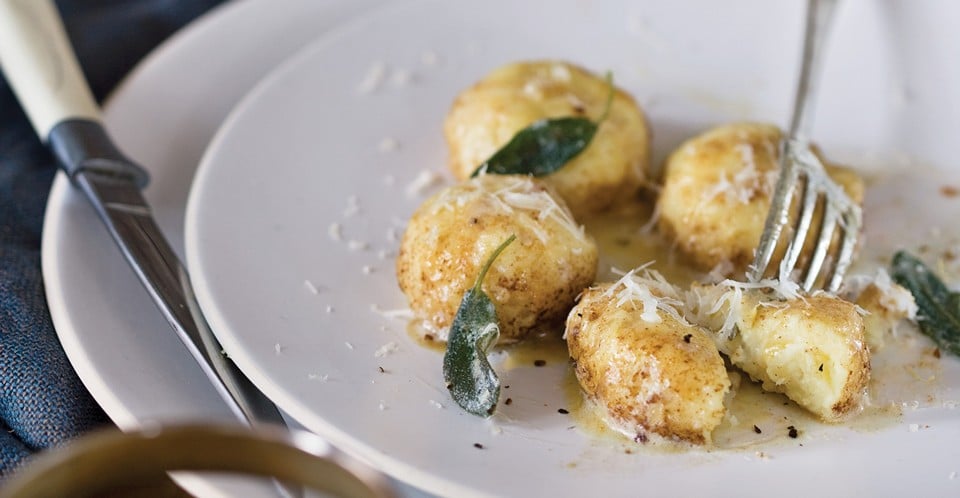
Tuscan cooks also make **Gnocchi del cicolano** (Gnocchi with corn and wheat flour) and **matuffi**, which are layers of polenta dumplings alternating with meat or mushrooms and Parmesan.
Trentino-Alto Adige
**Canederli** are a favorite in the Trentino region. These are bread dumplings made from breadcrumbs, milk, onions, and parsley, sometimes enriched with speck and cheese. They are usually served in meat broth with butter and grated hard cheese and are also a side dish for goulash.
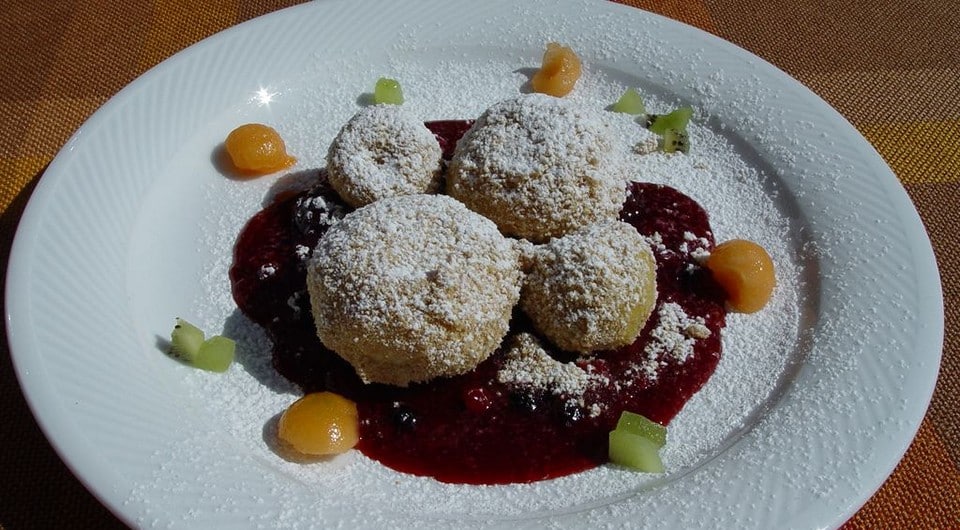
Let’s not forget the sweet versions: **canederli d’albicocche** (apricot dumplings) and **canederli di prugne** (with prunes). After boiling, they are fried in butter, sugar, and cinnamon until a caramelized crust forms. They can be eaten as a first course or dessert.
Friuli Venezia Giulia
In Friuli, a unique variety known as **gnocchi de susini** is popular. This is a dish where prunes are wrapped in potato dough and eaten as a first course.
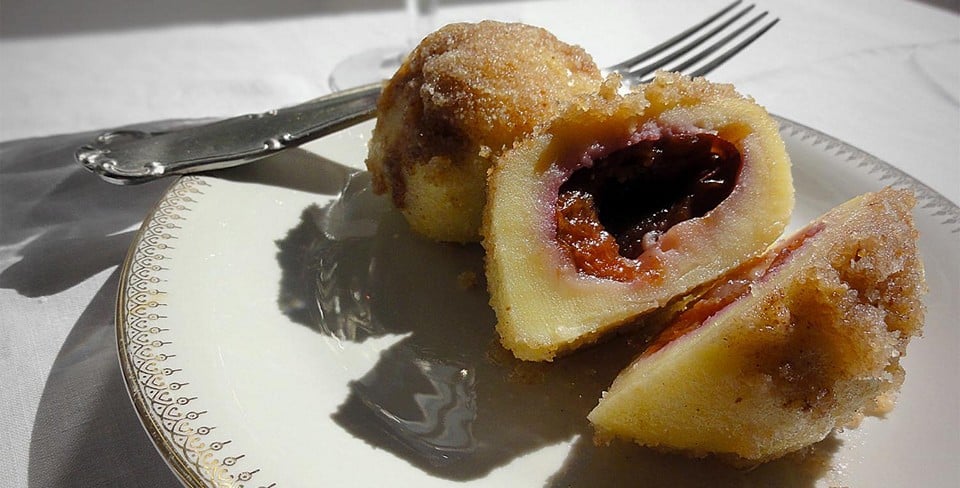
In Trieste, **gnocchi de gries friulani** is preferred, made from semolina and eggs. They are served in broth or with melted butter.
Emilia-Romagna
In Emilia-Romagna, the dish **pisarei e faśö**, which dates back to the Middle Ages, is popular. The dough is made from flour and breadcrumbs, rolled into long cylinders, cut into small bean-sized pieces, and flattened with the thumb. They are served with beans, lard, onions, and tomatoes.
Another popular variety, **malfatti di Borgotaro**, combines ricotta, flour, and herbs (or spinach).
Classic Gnocchi Recipe in Italy
Even though the first Gnocchi appeared long before the introduction of the American potato to Italy, the classic recipe is considered to be the potato version. These soft dumplings pair perfectly with any sauce. For their preparation, you’ll need just a few ingredients:
- Potatoes – 1 kg (2.2 lbs);
- Flour – 300 g (10.5 oz);
- Egg – 1;
- Salt – a pinch.
First, thoroughly wash the potatoes, cover them with cold water in a large pot, and bring to a boil. Once the water boils, cook for 30-40 minutes, depending on the size of the potatoes. Check doneness with a fork: if the prongs go in smoothly, turn off the heat and drain the water.
On a working surface, make a mound of flour. Peel the hot potatoes and grate them finely, placing them on top of the flour. Pour the lightly beaten egg with a pinch of salt into the well of this “construction.”
Mix everything with your hands until the dough becomes soft and compact. Kneading the dough too long can result in tough Gnocchi.
Take a small piece of dough and roll it into a sausage about 2 cm (0.8 inches) thick. While working with one portion, cover the rest of the dough with a towel to prevent it from drying out. Cut the sausage into pieces 2-2.5 cm (0.8-1 inch) long and use a fork to make ridges on each dumpling for the classic shape. To prevent sticking, dust your hands and work surface with semolina or flour.
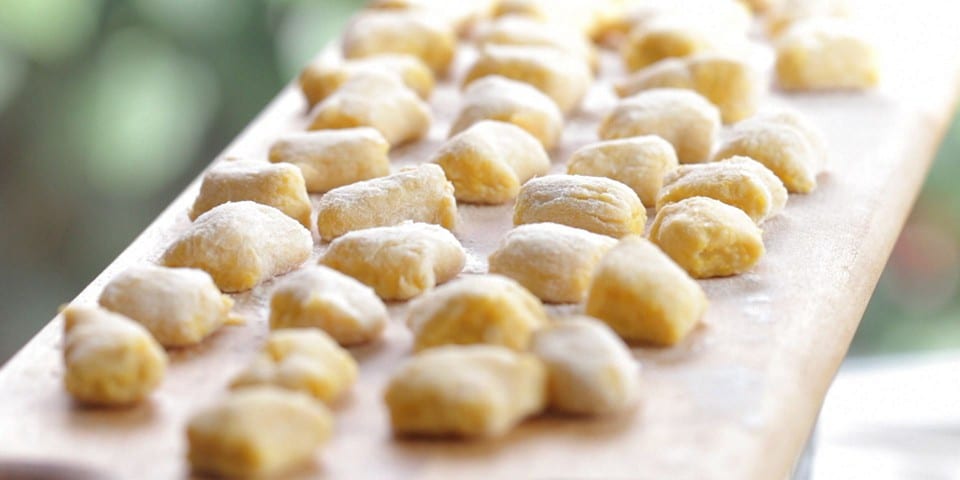
Drop the Gnocchi into boiling salted water. Once they float to the surface, your potato gnocchi is fully cooked. Serve with your favorite sauce.
To store uncooked Gnocchi, spread them on a floured tray, leaving a small distance between them, and place them in the freezer for 20 minutes. Then, transfer them to a bag and freeze them again.
Tips
Although the recipe is simple, there are a few “pitfalls” that can spoil the dish. These straightforward tips will help you avoid trouble:
- When choosing potatoes, opt for medium-sized ones. Large potatoes contain too much moisture, which will negatively affect the dough.
- Boil the potatoes with their skins on.
This prevents excess moisture from being absorbed during cooking.
- If the dough seems too sticky, wet your hands with cold water before rolling each piece. Dust the work surface well with flour. Avoid adding extra flour to the dough, as this will make the finished Gnocchi too tough.
Sauces
A good sauce is an essential accompaniment to potato gnocchi. Everyone has their preference: some love tomato sauce, while others enjoy the refined taste of Pesto. We present to you 5 unique and incredibly delicious sauces.
Walnut Sauce
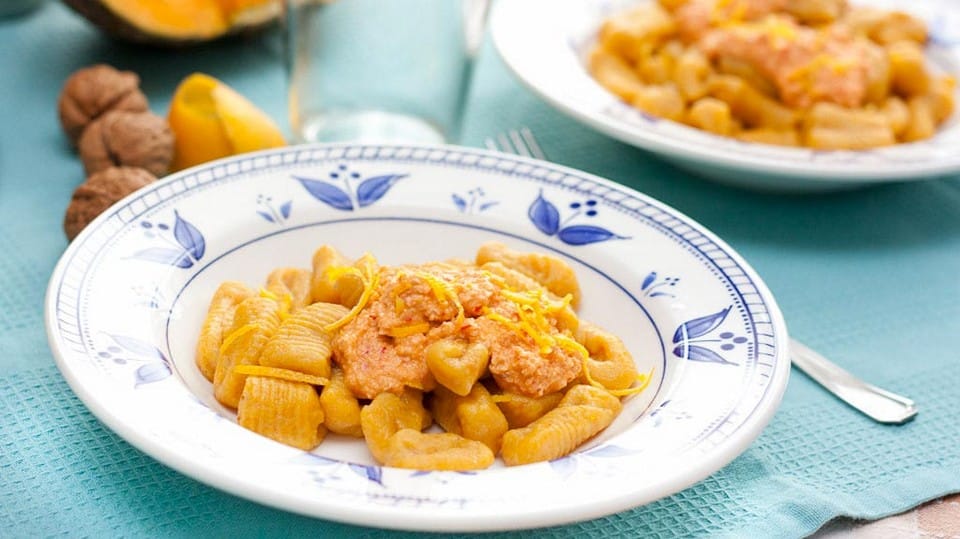
The walnut sauce is a wonderful and “uncommon” accompaniment to potato gnocchi, perfect for a festive table. To make it, you’ll need:
- Shelled walnuts – 100 g (3.5 oz);
- Milk – 200 g (7 oz);
- Breadcrumbs – 25 g (0.9 oz);
- Hard cheese (preferably Parmesan) – 35 g (1.2 oz);
- Garlic – half a clove;
- Olive oil, salt, marjoram, thyme – to taste.
Soak the breadcrumbs in milk. Place the walnuts, grated cheese, garlic, and soaked breadcrumbs in a blender. Blend for a few minutes until smooth. Add salt, olive oil, and spices to taste and mix well. This sauce is a delightful choice for those who love a nutty flavor.
Pumpkin Sauce
Potato gnocchi with pumpkin sauce is one of the softest and most delicate ways to serve the dish. For 1 kg (2.2 lbs) of Gnocchi, you’ll need:
- Pumpkin – 500 g (17.6 oz);
- Cream – 200 ml (6.8 fl oz);
- Olive oil – 4-5 tbsp;
- Hard cheese and salt – to taste;
- Sage leaves – 4-5 pieces.
Cut the pumpkin into cubes, place them on a baking sheet, and drizzle with olive oil. Bake at 180°C (356°F) for about 15 minutes until soft.
Transfer the hot pumpkin to a deep bowl and pour in the cream. Blend until smooth. Add salt to taste, although the saltiness of the cheese may be enough.
Carefully mix the boiled Gnocchi with the sauce, sprinkle with grated cheese, and garnish with sage leaves.
Zucchini and Mint Sauce
Zucchini is a versatile ingredient, and its mild flavor appeals to most people. The mint adds a special twist to this dish.
You’ll need:
- Zucchini – 200 g (7 oz);
- Onion – 1 piece;
- Olive oil for frying;
- Mint – 2-3 leaves;
- Hard cheese, salt, and black pepper – to taste.
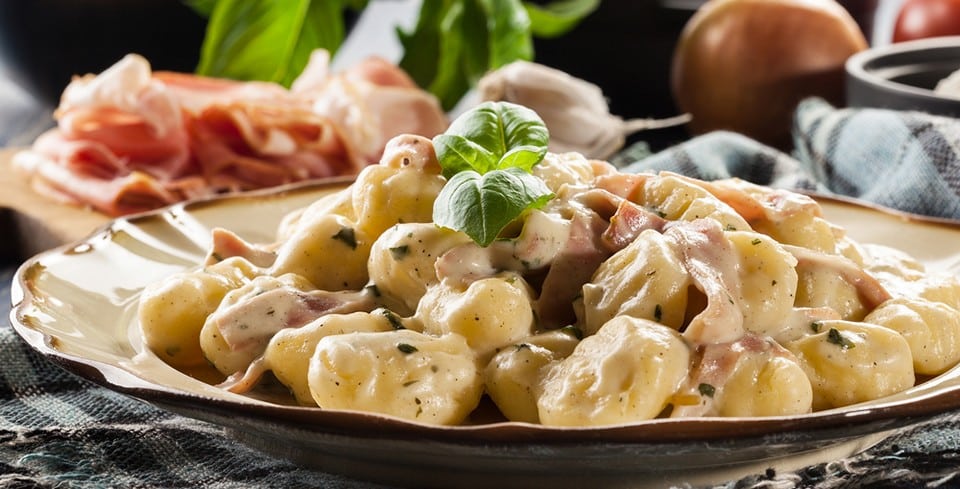
Finely chop the onion and fry in olive oil until golden. Dice the zucchini and add it to the onion. Fry until soft. Transfer the vegetables to a blender and blend until smooth. Salt and pepper to taste.
Chop the mint leaves finely. To serve, mix the cooked Gnocchi with the zucchini sauce and sprinkle with grated cheese and mint.
Spinach Sauce
Spinach-based sauce is simple but healthy and light. It pairs beautifully with potato gnocchi for an everyday meal.
You’ll need:
- Frozen spinach – 200 g (7 oz);
- Milk – 50 ml (1.7 fl oz);
- Onion – half a piece;
- Cream cheese (Hochland) – 3 slices;
- Butter – 1 tbsp;
- Olive oil for frying;
- Hard cheese – to taste.
First, chop the onion finely and fry in olive oil until golden. Add a small amount of water and the frozen spinach to the pan. Simmer until the spinach is soft. In a blender, blend the hot onion and spinach with milk, cream cheese, and butter. Mix the Gnocchi with the sauce and sprinkle with hard cheese to taste.
Fresh Pepper Sauce
For those who enjoy a bit of spice, fresh pepper sauce is a great option. You’ll need:
- Bell pepper – 2 pieces;
- Garlic – 1 clove;
- Tomatoes – 500 g (17.6 oz);
- Olive oil – 4 tbsp;
- Onion – 1 piece;
- Bacon – 50 g (1.7 oz);
- Wine – 200 ml (6.8 fl oz);
- Parsley – a small bunch;
- Salt and black pepper to taste.
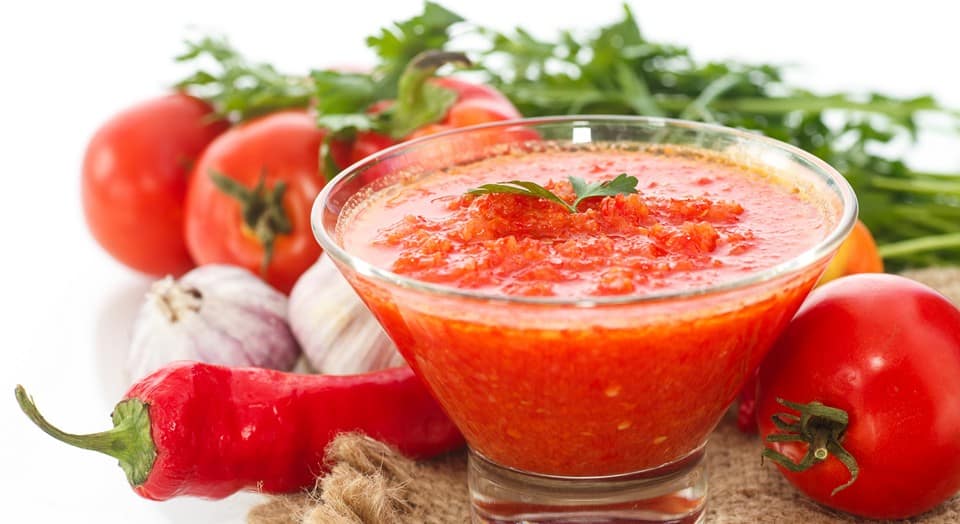
For a beautiful and tasty sauce, we recommend using peppers of different colors (yellow and red).
Remove the seeds from the peppers and dice them. Fry the peppers and garlic in olive oil over medium heat. Then add salt, black pepper, chopped parsley, and ½ cup of water. Simmer until the peppers are soft.
In another pan, fry the finely chopped onion with the bacon in olive oil. Next, add the wine and peeled diced tomatoes. Salt and pepper to taste and simmer for about 40 minutes. Finally, add the prepared peppers, stir, and turn off the heat.
Combine the hot sauce with the Gnocchi and serve. If desired, garnish the dish with fragrant pepper and chopped parsley.
Calories and Nutritional Composition
Despite the scary word “potato” in the ingredients of classic Gnocchi, their calorie content is quite low. In fact, it’s lower than that of rice or pasta. Gnocchi contains just 124 kcal per 100 g (3.5 oz), and the nutritional composition is:
- Proteins – 2.8 g;
- Fats – 2.8 g;
- Carbohydrates – 23.1 g.
In terms of salt, Gnocchi doesn’t stand out compared to other foods, so there are no special warnings for people with high blood pressure. Homemade Gnocchi can easily be adjusted for sodium levels.
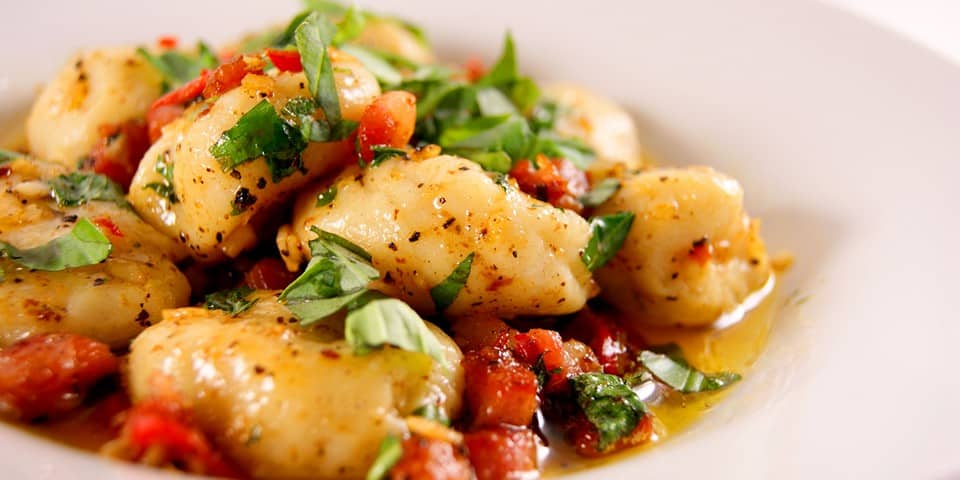
Keep in mind that adding sauces increases the dish’s calorie count. Potato gnocchi, lightly dressed with olive oil and tomato sauce, is perfect for any diet, even for those with excess weight, high blood pressure, and high cholesterol.
Due to their high glycemic index, it’s advisable for people with type II diabetes to limit portion sizes. In this case, the best way to serve Gnocchi is with vegetable sauces and fresh vegetables.
That concludes our journey through the world of Italian dumplings. We hope you now have plenty of ideas to bring your culinary fantasies to life. Live with variety, cook for everyone, and remember: “It’s a poor meal when there’s no gnocchi!”